Athos
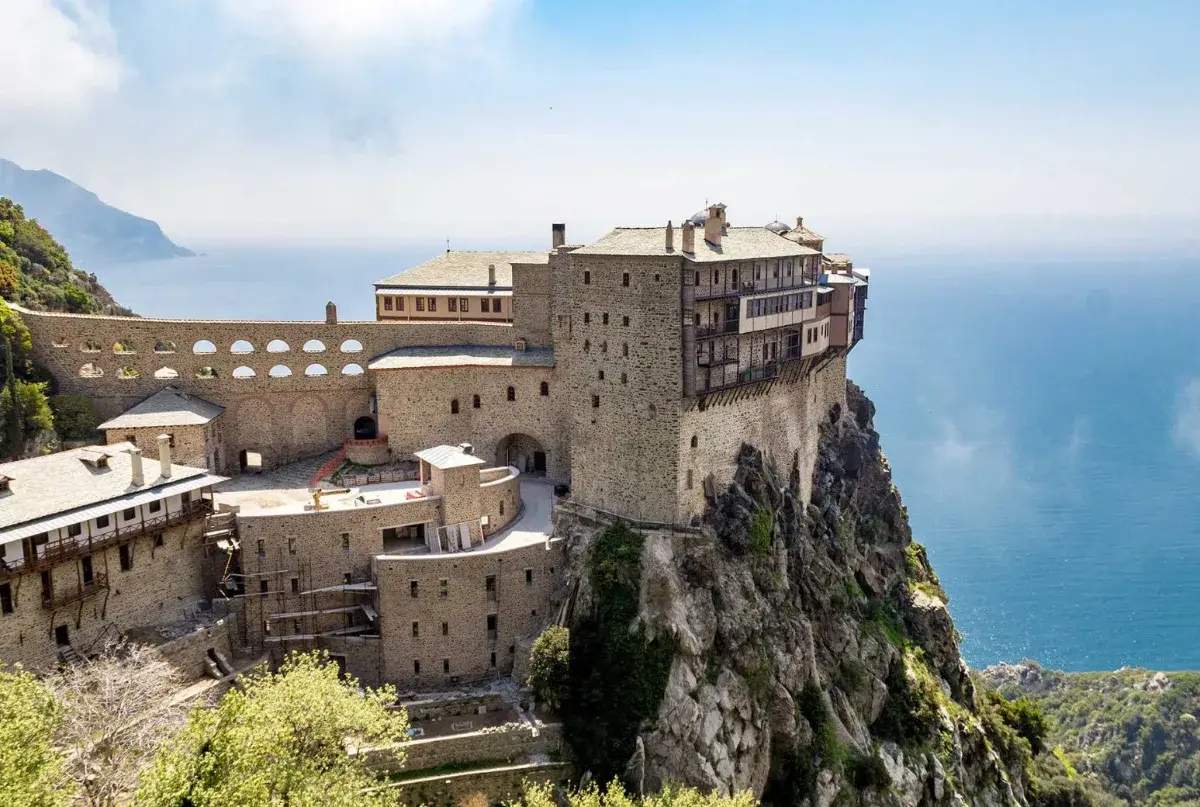
Athos (or Mount Athos) is the third and easternmost leg of Halkidiki. It is not a typical tourist destination — it is an autonomous monastic state of 335 square kilometers with 20 active Orthodox monasteries, around 2,000 monks, and a continuous Christian monastic presence since the 9th century. UNESCO World Heritage Site since 1988.
Geography
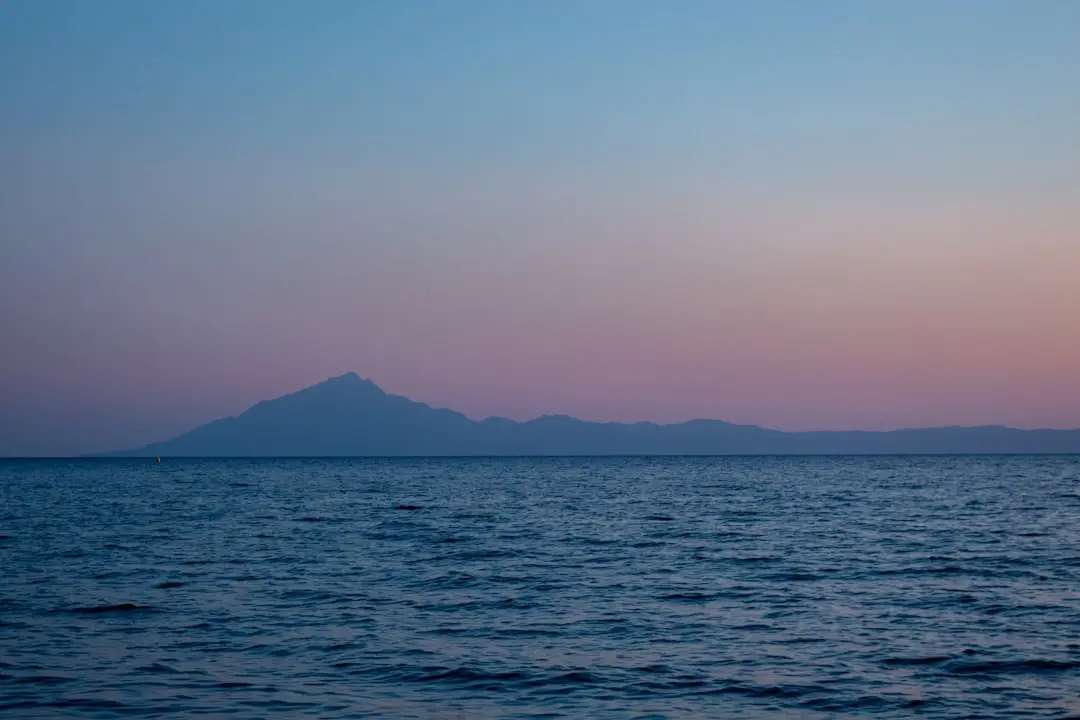
The peninsula is 50 kilometers long with its peak at Mount Athos, rising to 2,033 meters — one of the most impressive mountain landscapes in Greece, steeply rising from the sea. According to Greek mythology, the mountain was created when the giant Athos hurled a massive rock at Zeus during the Gigantomachy.
Administration and Special Status
Athos is governed by the Holy Community in Karyes (the administrative center). It has a special autonomous status within the Hellenic Republic and the EU, recognized in the Accession Treaty of 1979. It survives under a special tax regime dating back to the Byzantine and Ottoman periods.
Access — Forbidden for Women
Entry to the peninsula is allowed only for male pilgrims with a special permit (30-35 euros, application 1-3 months in advance). Passenger boats depart from Ouranoupoli (west coast) and Ierissos (east coast). Women's entry has been prohibited since 1045 — a ban that is officially enforced.
For women, mixed groups, or those without a permit, the only option is a sightseeing cruise from Ouranoupoli or Ierissos. The boats sail along the coast at a distance of 500 meters (as stipulated by law) and offer excellent views of the monasteries. Duration is 3-5 hours, cost is 25-40 euros.
Monasteries
20 active monasteries with the Great Lavra (founded 963 AD) as the oldest. Several non-Greek monasteries: Chilandari (Serbian), Zografou (Bulgarian), Saint Panteleimon (Russian). They host over 13,000 manuscripts and over 100,000 old printed books — one of the most significant Byzantine collections in the world.
Beaches of the Surrounding Area
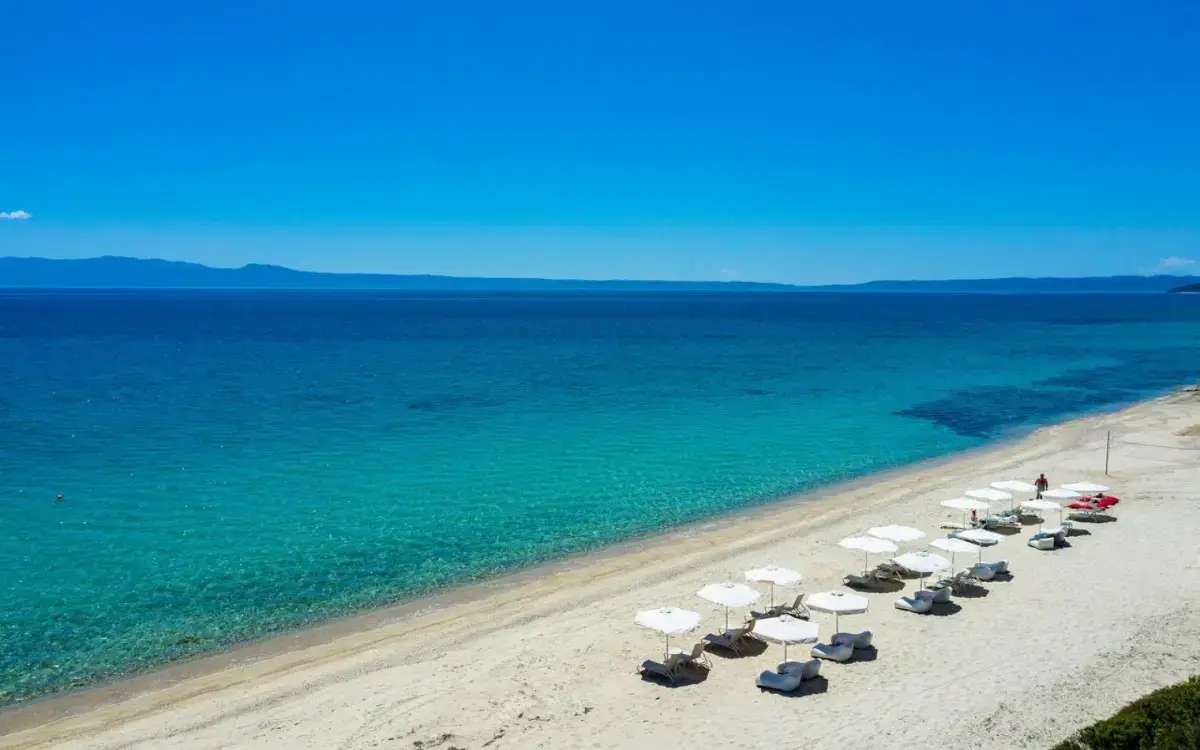
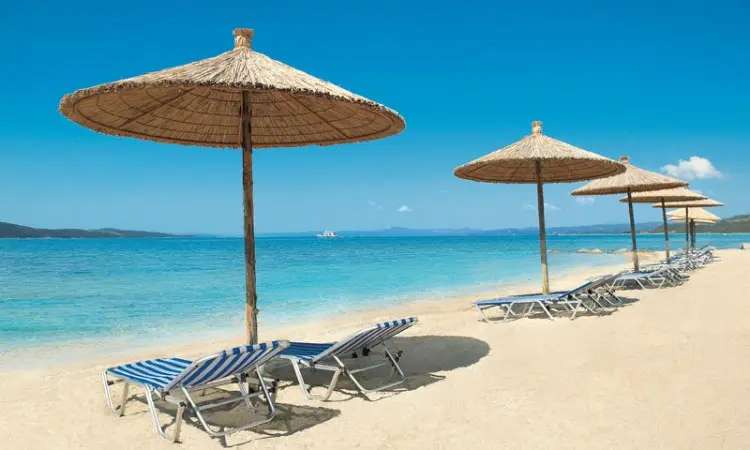
The "Athos" beaches in our directory mainly refer to the coastal areas around Ouranoupoli and Ammouliani — not to the beaches within the peninsula of Mount Athos (which are inaccessible). Ammouliani is the only inhabited island of Halkidiki with excellent beaches (Alykes, Megali Ammos, Agios Georgios). The Drenia islands off the coast of Ammouliani have crystal-clear waters and are ideal for boat trips.
Villages and Infrastructure
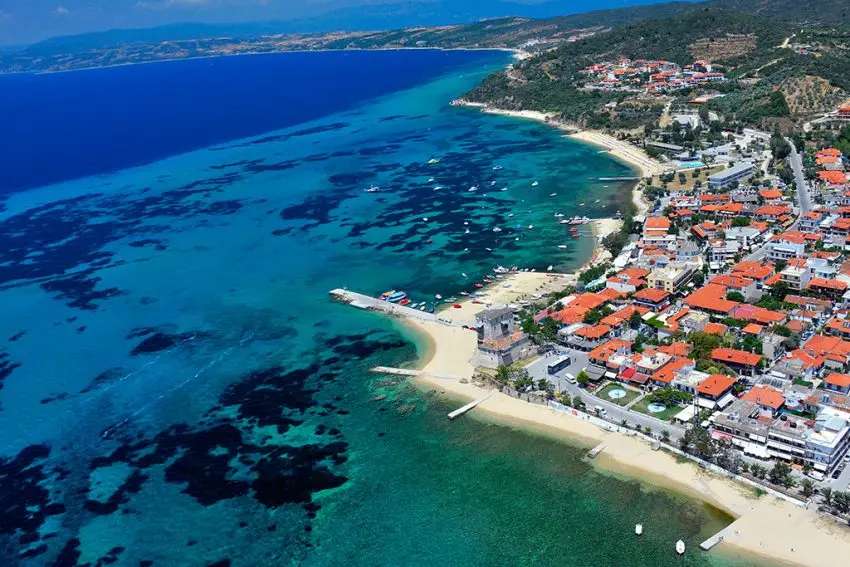
Ouranoupoli is the "gateway" to Mount Athos — a small town with a large port, a medieval tower, hotels, and fish taverns. Ierissos is the largest village in eastern Halkidiki with a notable fish tavern tradition and archaeological interest (ancient Akanthos, Xerxes Canal).
Ideal For
•
Orthodox pilgrims (men with permits)
•
Lovers of Byzantine art and history
•
Visitors wanting a Mount Athos cruise
•
Those combining beach holidays with Orthodox tourism
•
Those wishing to visit Ammouliani
Best Time
For pilgrims with permits: May and September. For sightseeing cruises: June-September (calm sea, good visibility). The Easter period is particularly spiritually intense.
Athos — Overview
Athos is the eastern "leg" of Halkidiki, best known for the monastic state of Mount Athos — an autonomous territory open only to male pilgrims with a special permit. The wider area, however, is open to everyone: Ouranoupoli is the gateway town, with fine beaches such as Develiki and Komitsa, plus day cruises that sail along the peninsula for views of the monasteries. The atmosphere is quieter and more spiritual, ideal for travellers who want to unwind away from the crowds. Below you will find the villages, beaches, activities and places to stay across the Athos area.
Mount Athos Guide
Monasteries, visiting rules, transport, accommodation, history — the complete guide
Villages & Settlements(5)
No results found
Halkidiki Beaches
All beaches →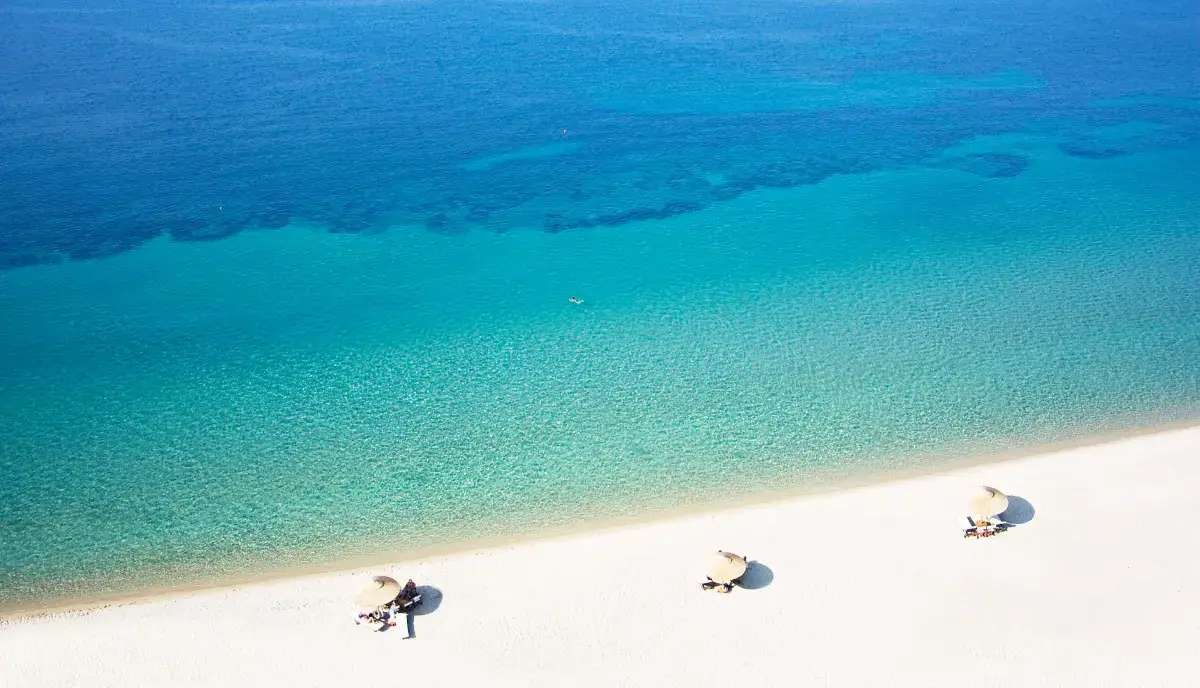
Attractions & Activities
All activities →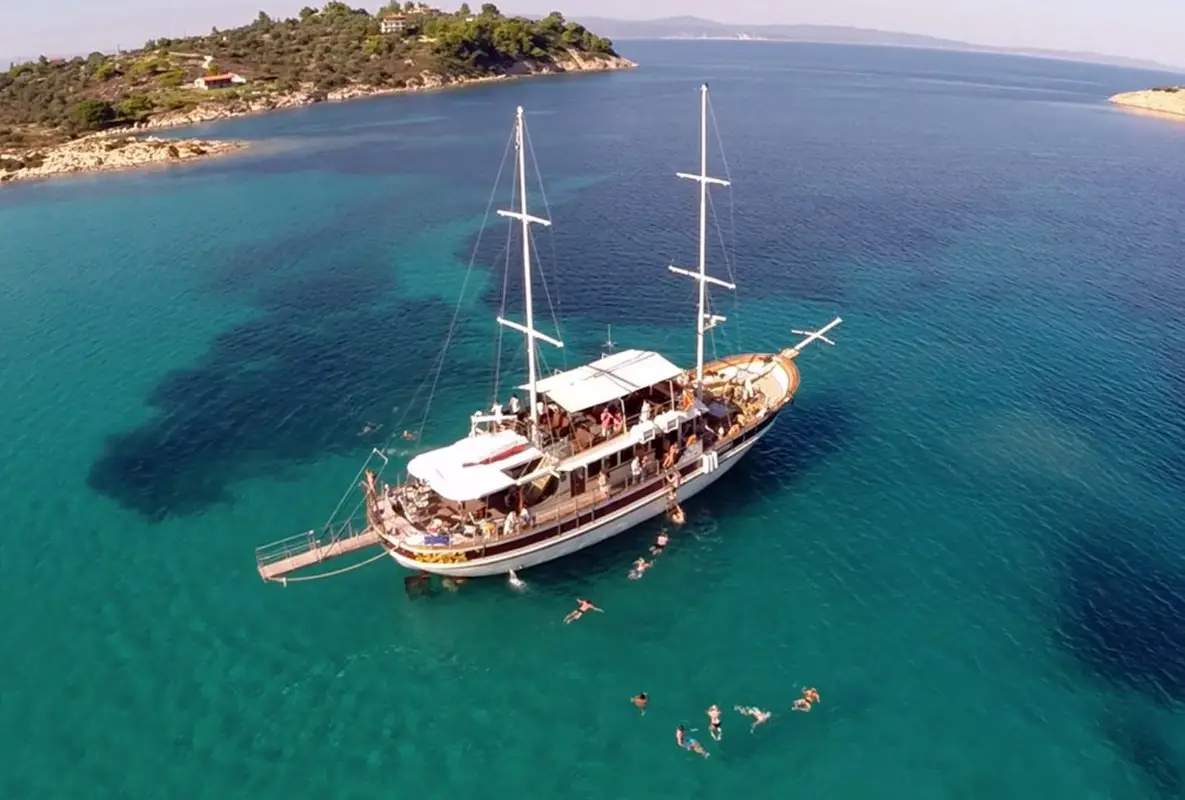
Food & Drink
All restaurants →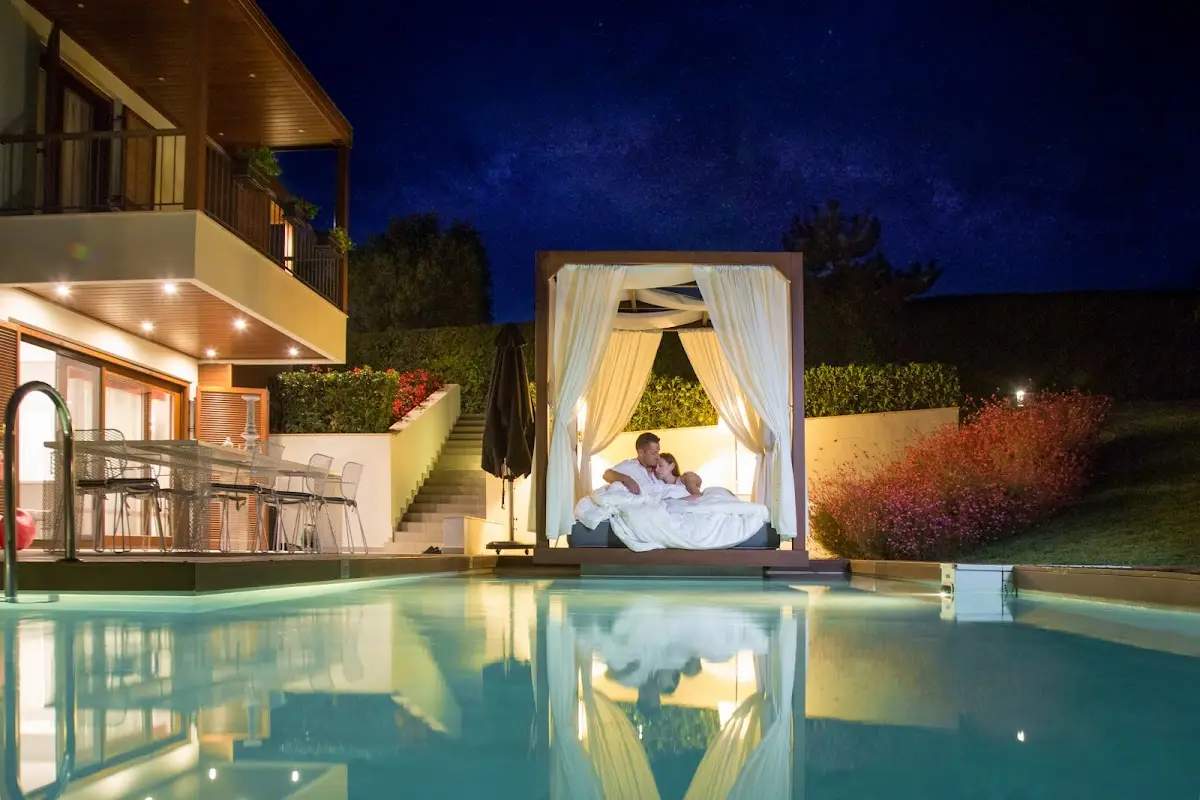
bar
4.7
Avaton Luxury Beach Resort - Relais & Châteaux
Κουμίτσα
barcafeBar
€ Budget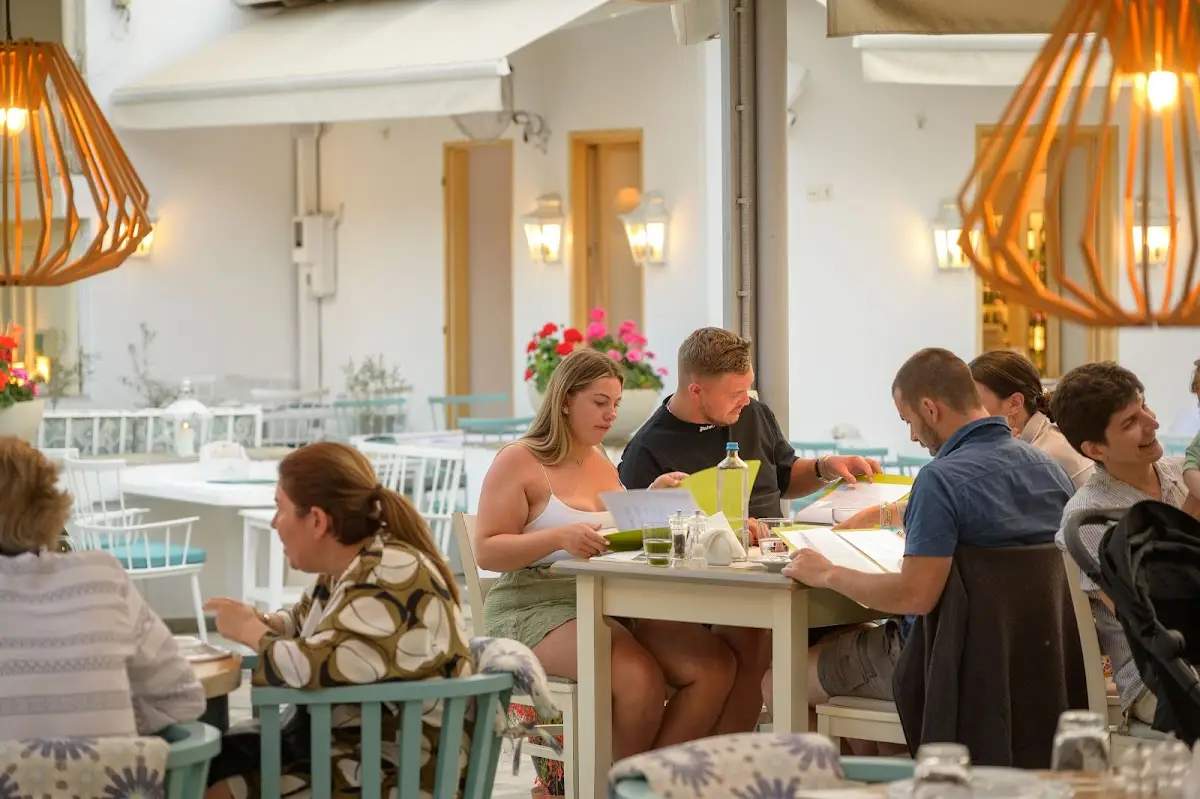
traditional
4.7
Restaurant Kokkinos
Main Street, Ouranoupoli
traditionalseafood
€ Budget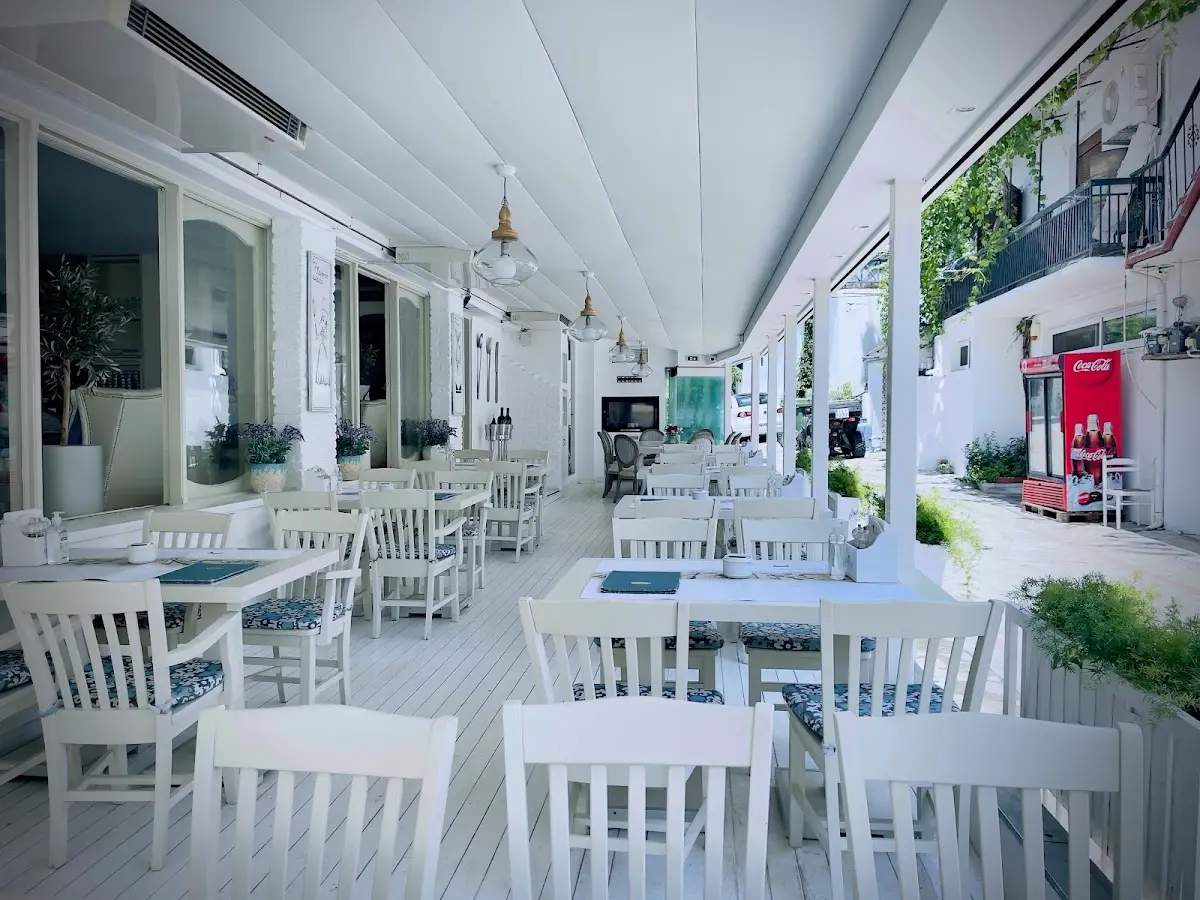
traditional
4.6
Live music
Kritikos Gallery & Restaurants
Main Street, Ουρανούπολη, Ouranoupoli
traditionalgrill
€ Budget
fineDining
4.6
Athos Restaurant Bar
Ουρανούπολη, Ouranoupoli
fineDiningbar
€ Budget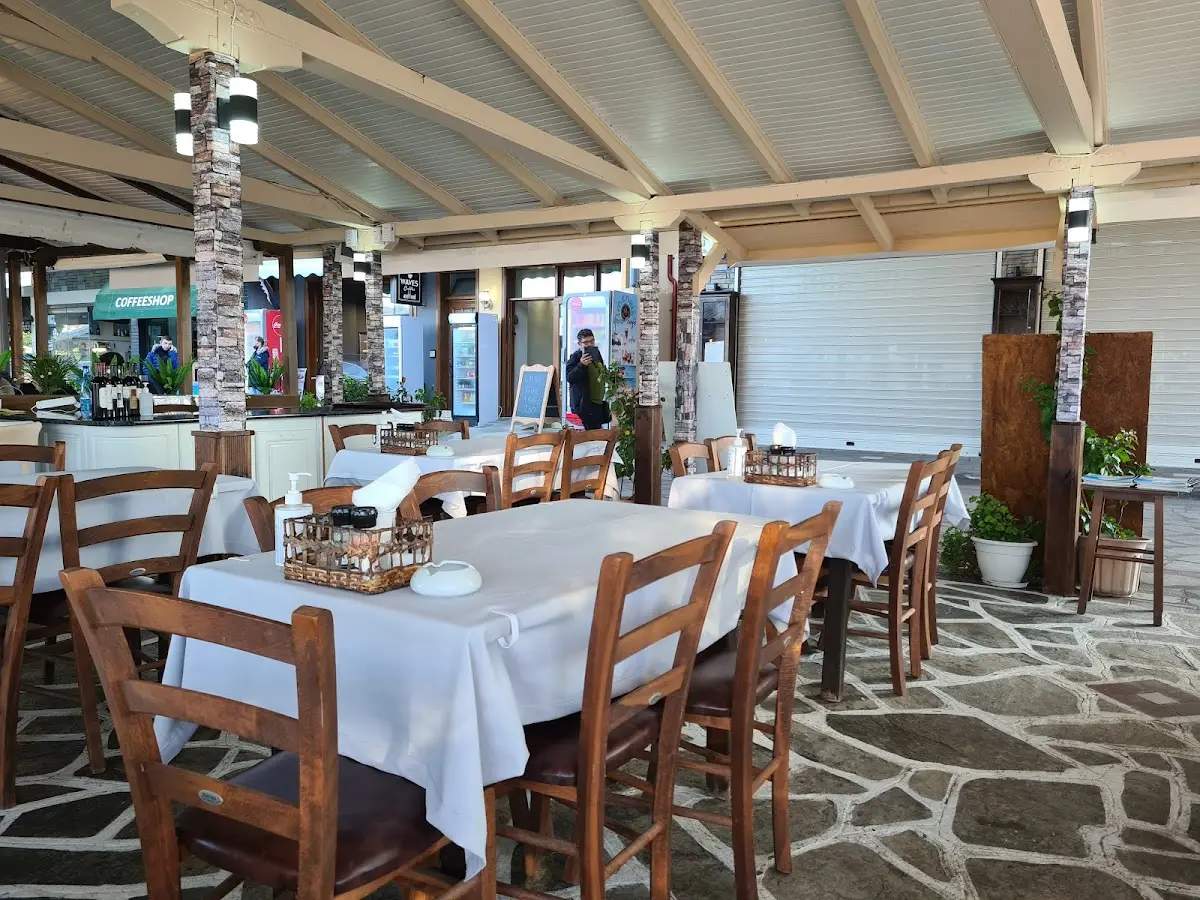
traditional
4.5
Restaurant Pirgos
Thessalonikis-Poligirou / Rentinas-Ouranoupolis, Halkidiki, Χαλκιδική, Ouranoupolis, Ουρανούπολη
traditionalseafood
€ Budget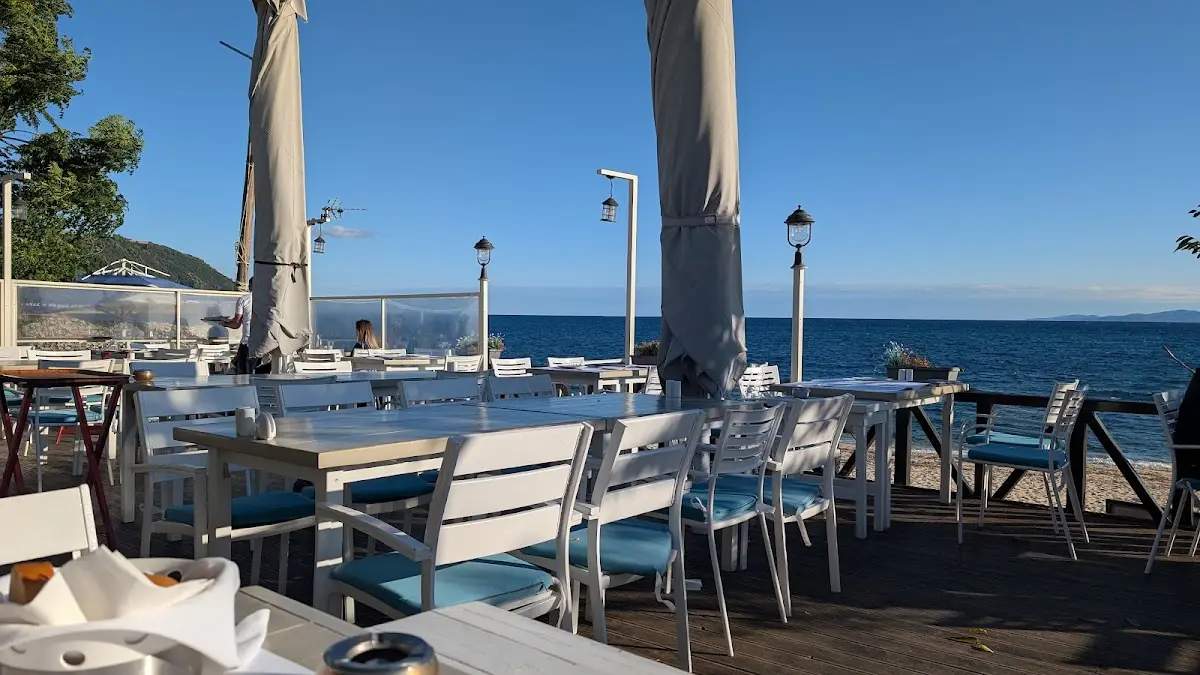
traditional
4.5
Sea view
The Golden Hook
Ουρανούπολη, Ouranoupoli
traditionalcocktailBar
€ BudgetΣυχνές Ερωτήσεις
Can I visit Mount Athos?▼
Mount Athos monastery is accessible only to men with special permits. The wider Athos area offers beaches and attractions.
What beaches are there in Athos area?▼
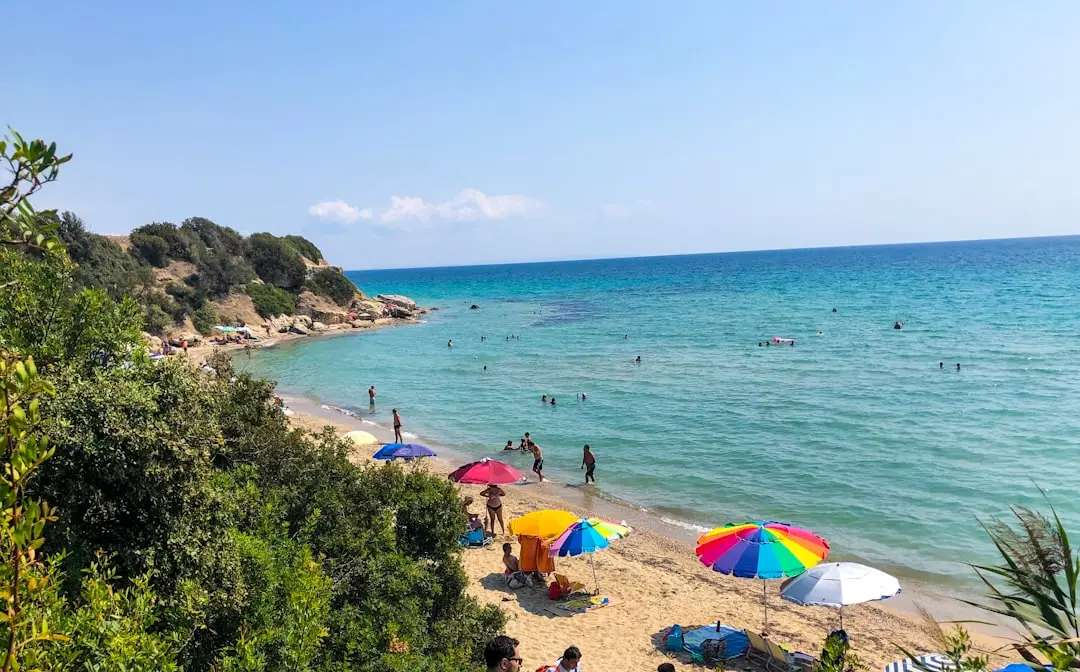
Develiki, Komitsa and Ouranoupoli beach are excellent choices.
How do I get to Ouranoupoli?▼
Ouranoupoli is about 2 hours from Thessaloniki, via Polygyros or Arnea.