Blog & Guides
Discover the secrets of Halkidiki
All areas
All articles

Tips
Booking.com: VAT 24% on commission for individuals from December 1st
The commission remains 16.6%, but from 1/12/2026, 24% VAT is added for those without VAT number in VIES. What this means in euros and what the deadline is.
9/23/2026
6 min read
Tips
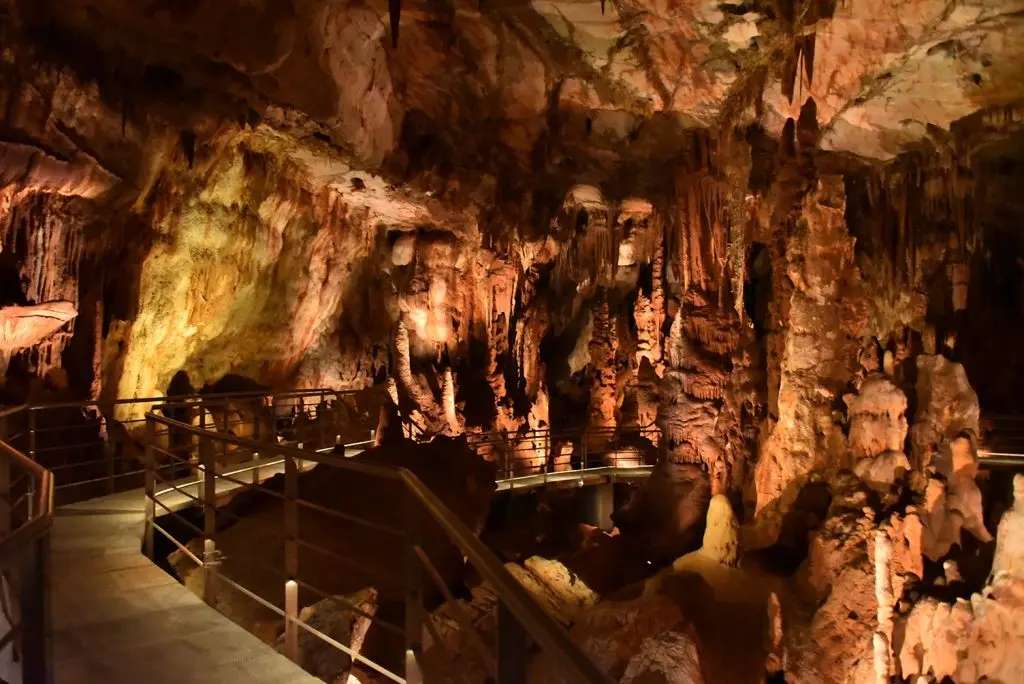
Halkidiki in Winter & Off-Season
When the beaches go quiet, the mountains, monasteries and fireplaces come alive — a different Halkidiki.
8/26/2026
6 min read
Tips
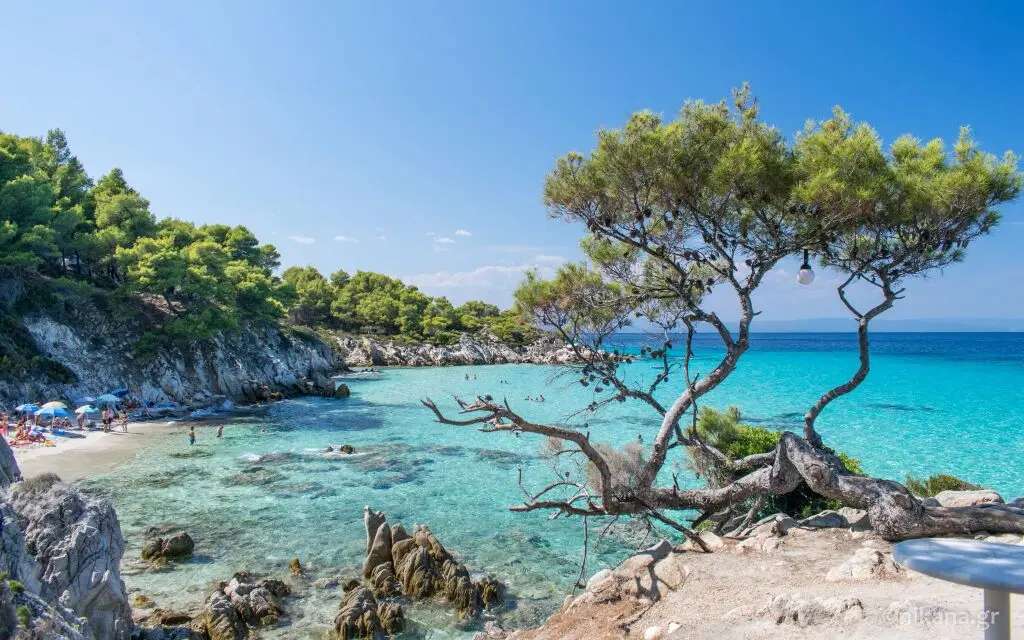
Halkidiki in August: The Peak Season Guide
The peak of summer: heat, meltemi, full beaches and festivals — how to do it right.
8/26/2026
6 min read
Tips
What to Do in Halkidiki on a Rainy Day
Caves, museums, wineries and long lunches — rain won't spoil your holiday.
8/26/2026
6 min read
Beaches
The Best Snorkeling Beaches in Halkidiki
Mask, snorkel and Sithonia's clearest water — the top corners for snorkeling.
8/26/2026
7 min read
Activities
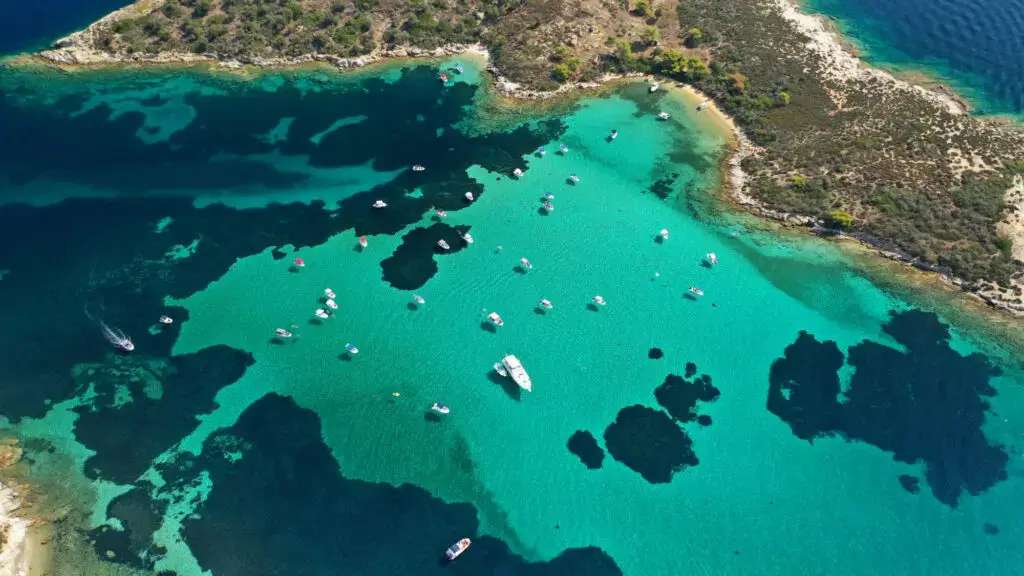
20 Best Things to Do in Halkidiki
Beyond the beaches: boat trips, ancient sites, diving, mountains and villages — what's really worth doing in Halkidiki.
8/26/2026
9 min read
Food & Drink
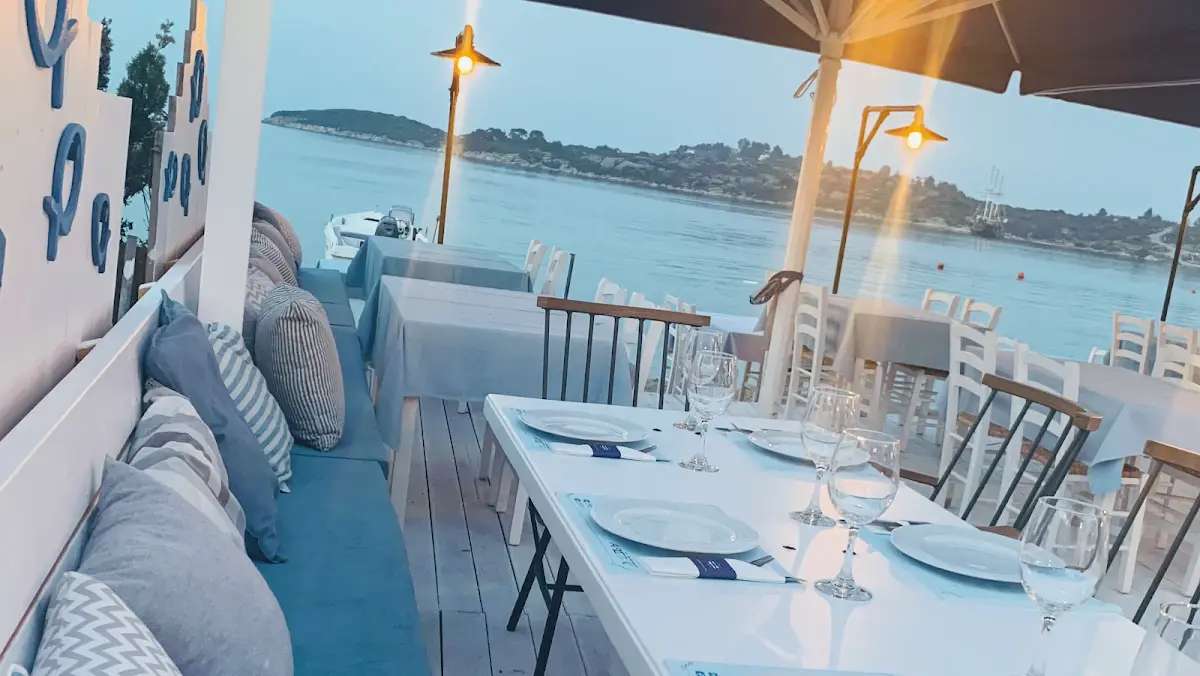
Seaside Restaurants & Fish Tavernas in Halkidiki
Where to pick your fish with your feet in the sand — from Sithonia's harbours to Kassandra's beaches.
8/26/2026
8 min read
Food & Drink
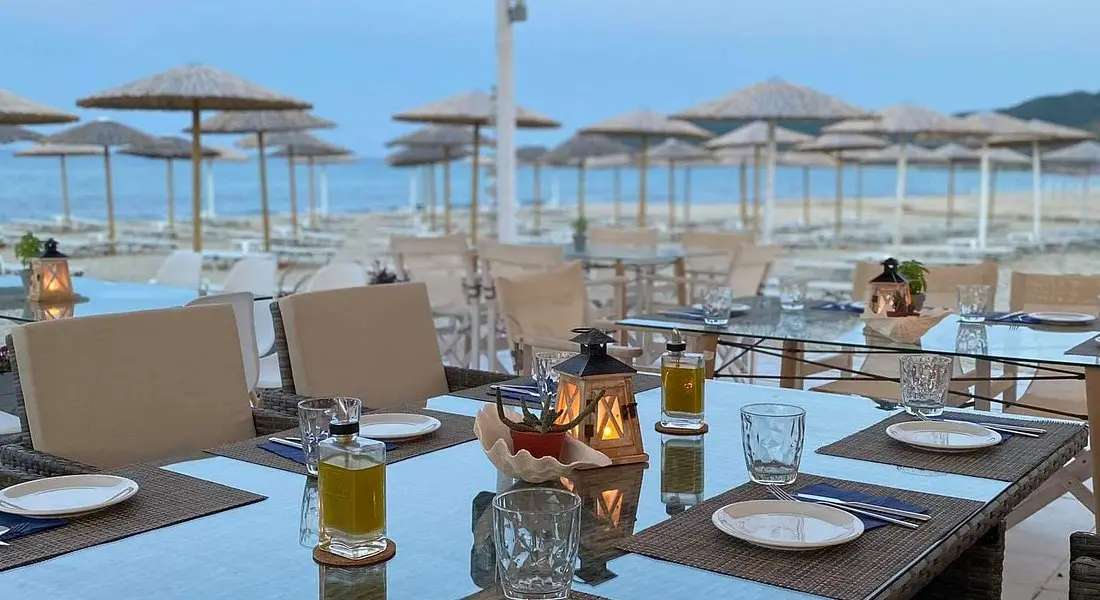
The Best Beach Bars in Halkidiki
From Sarti to Nea Skioni: where to sip morning coffee and sunset cocktails with your feet in the sand.
8/26/2026
8 min read
Guides
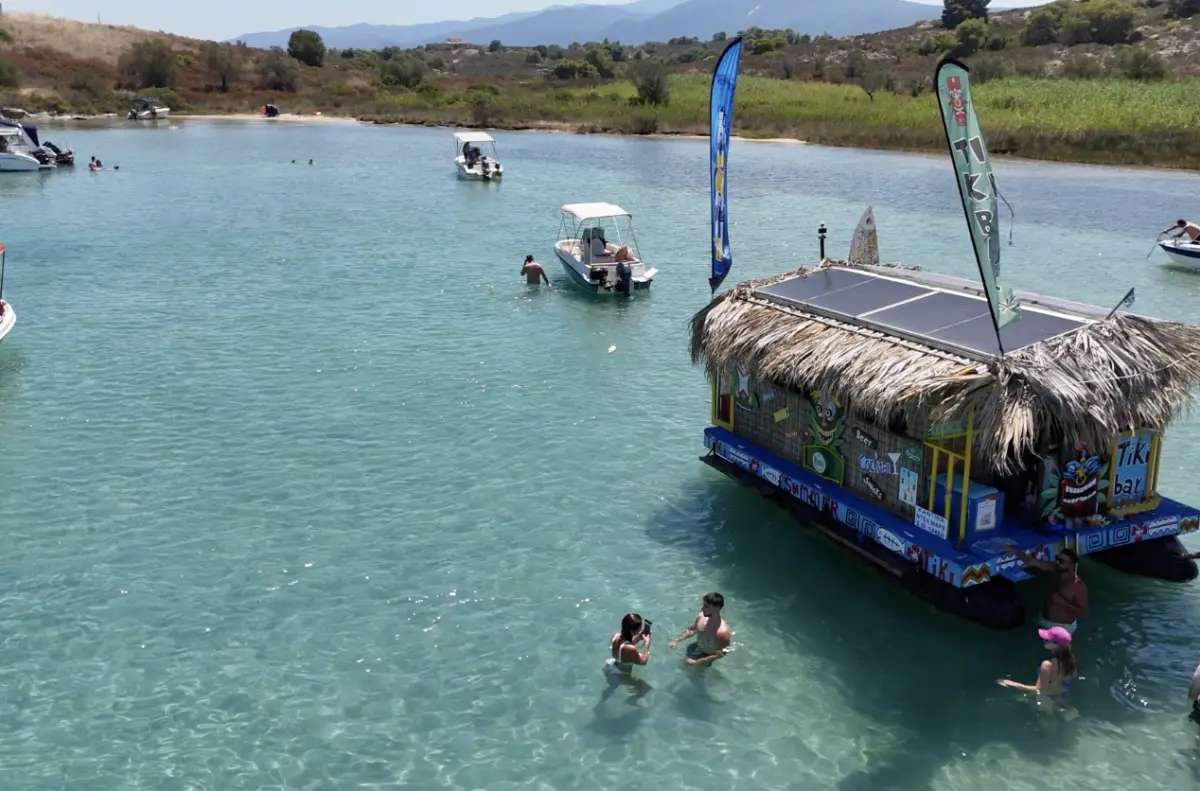
Tiki Bar Vourvourou
An exotic spot for cocktails and summer moments in Halkidiki
7/28/2026
5 min read
Culture
Panigiria and festivals of Halkidiki: the calendar you will not find in brochures
From the centuries-old Kagkeleftos dance of Ierissos to the great Agios Mamas fair: when and where Halkidiki celebrates — and how to experience a real panigiri.
7/16/2026
9 min read
Tips
Halkidiki in May and June: the start of the season, before everyone finds out
Green landscapes, empty beaches, low prices — but a cool sea in May. What to expect from Halkidiki at the start of the season, month by month.
7/16/2026
7 min read
Tips
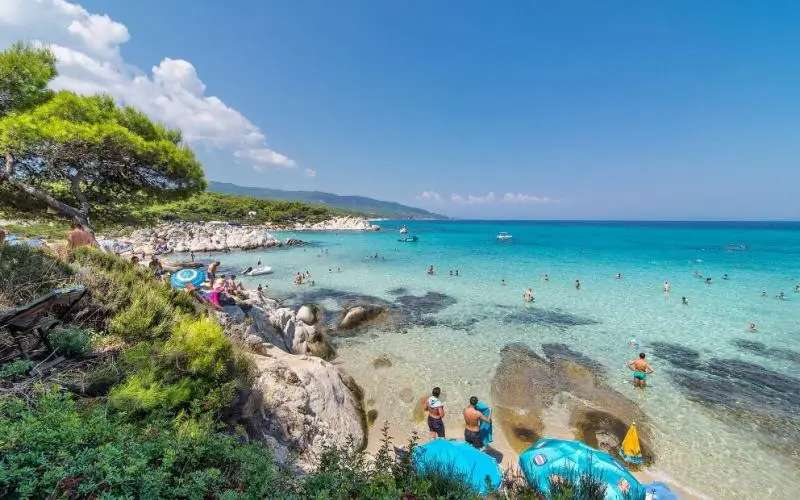
Halkidiki in September: the month the locals keep for themselves
Warm sea, half the prices, empty beaches: what Halkidiki is really like in September — weather, what stays open, and the centuries-old Agios Mamas fair.
7/16/2026
8 min read

Tips
Halkidiki in October: the other Halkidiki, without tourists
Swimming on warm days, hiking in Holomontas, chestnuts and tsipouro: what Halkidiki offers (and what it doesn’t) in October.
7/16/2026
7 min read
Guides
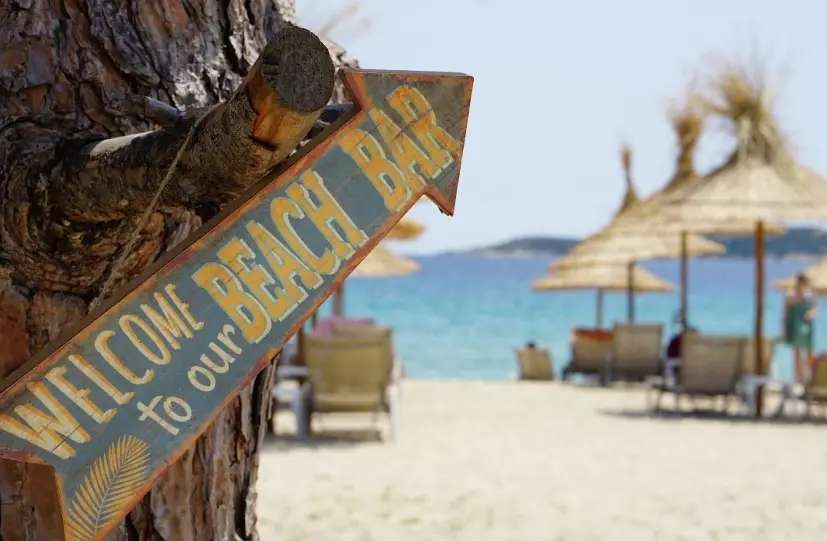
Yucca Beach Bar in Sykia Halkidiki
If you are looking for the ideal beach bar in Sykia Halkidiki, the **Yucca Beach Bar** is one of the best choices in Sithonia. Built literally on the wave, on the main beach of Sykia, it combines unique views, a relaxed summer atmosphere, quality coffee, refreshing cocktails, and impeccable service.
7/10/2026
5 min read
Activities
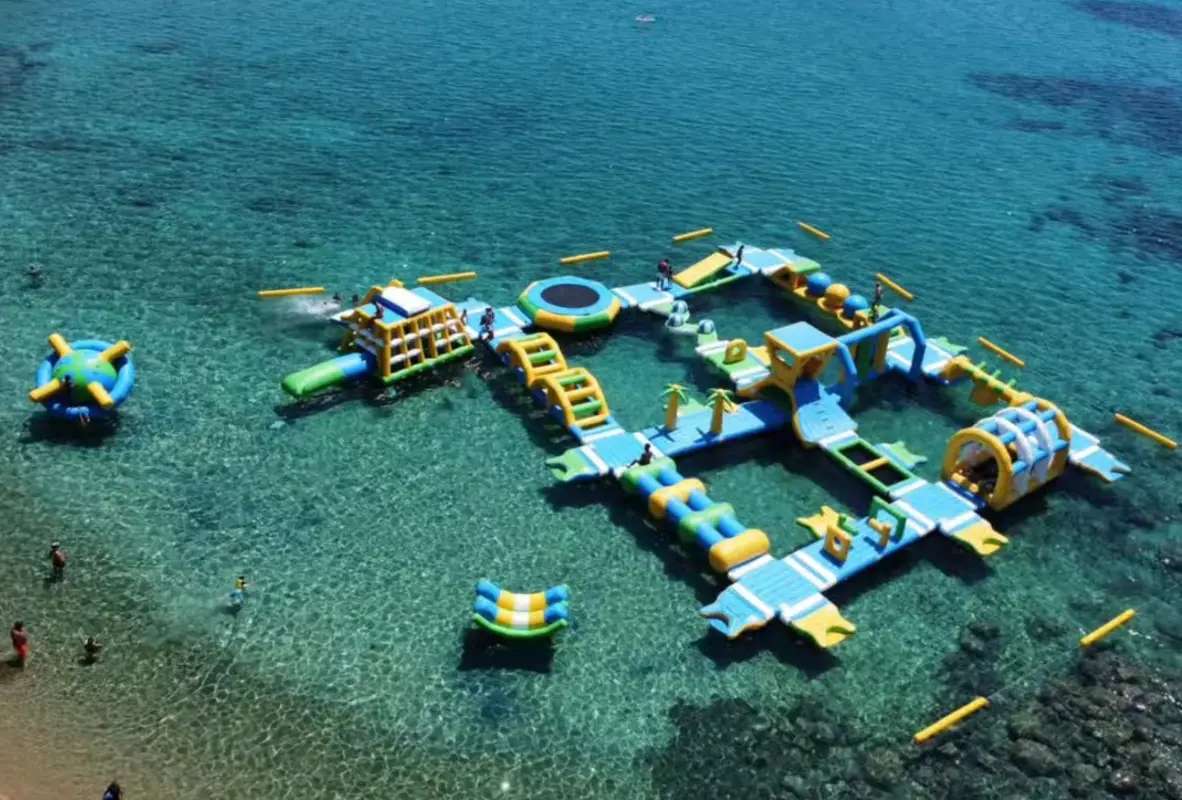
Palm3 Waterpark - Summer Fun for Kids and Adults
Palm3 Waterpark - Summer fun for kids and adults
7/8/2026
5 min read
Guides
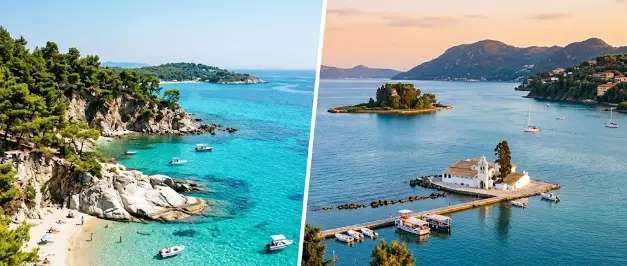
Halkidiki or Corfu? Complete Comparison for 2026
Halkidiki or Corfu for your vacation? Detailed comparison on beaches, cost, access, food, family, nightlife — with clear recommendations for each visitor type.
6/19/2026
10 min read
Tips
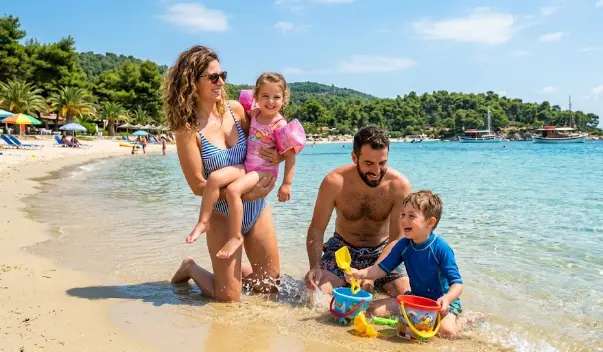
Halkidiki with Kids: Complete Guide for Families 2026
Complete guide for family vacations in Halkidiki — family accommodations, shallow beaches, activities, restaurants, medical care, age groups.
6/19/2026
11 min read
Tips
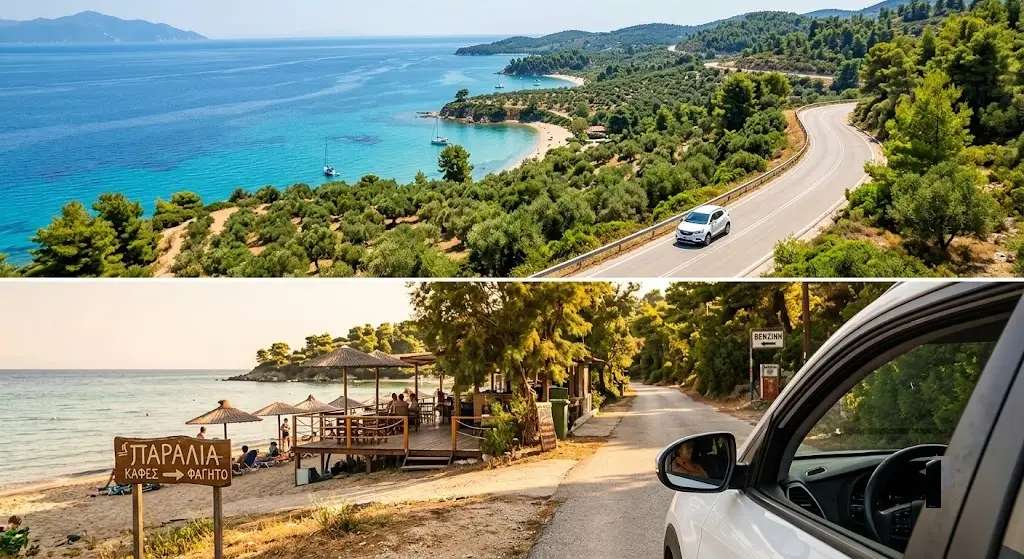
Halkidiki by Car from Thessaloniki: Complete Guide 2026
Complete guide on how to reach Halkidiki by car from Thessaloniki — routes by peninsula, kilometers, times, fuel, parking, alternatives.
6/19/2026
9 min read
Tips
When is the best time for Halkidiki? Complete month-by-month guide
A detailed month-by-month guide to choose the ideal time in Halkidiki — temperatures, sea, prices, crowds, what’s open.
6/19/2026
8 min read
Guides
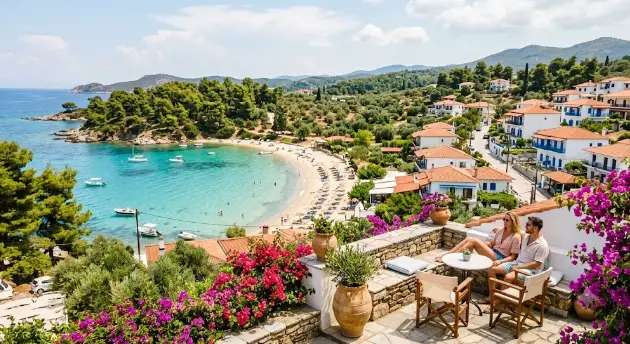
Where to Stay in Halkidiki for the First Time (2026)
Choosing an area to stay in Halkidiki for your first visit — Kassandra, Sithonia, or Athos? Based on traveler type, with specific villages and prices.
6/19/2026
9 min read
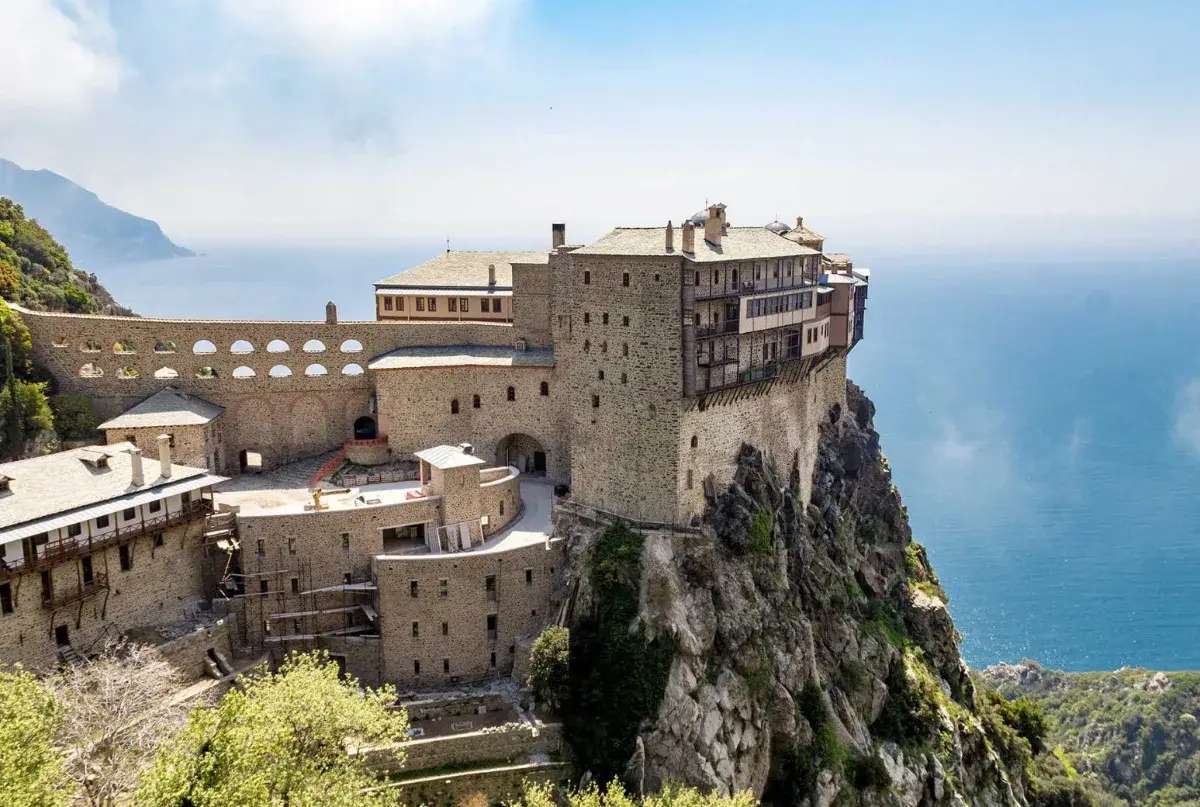
Guides
September in Halkidiki: The Locals' Hidden-Gem Season (2026 Guide)
Why September is the best month for Halkidiki holidays: warm sea, fewer crowds, lower prices, same beaches without the wait.
6/18/2026
9 min read
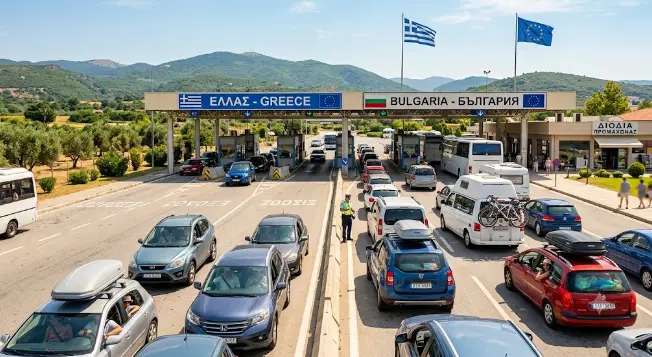
Tips
Koulata-Promahon: Complete Guide to Bulgaria-Greece Border Crossing 2026
Complete Koulata-Promahon guide 2026: operating hours, monthly wait times, vignette, alternative crossings, avoiding queues.
6/18/2026
8 min read
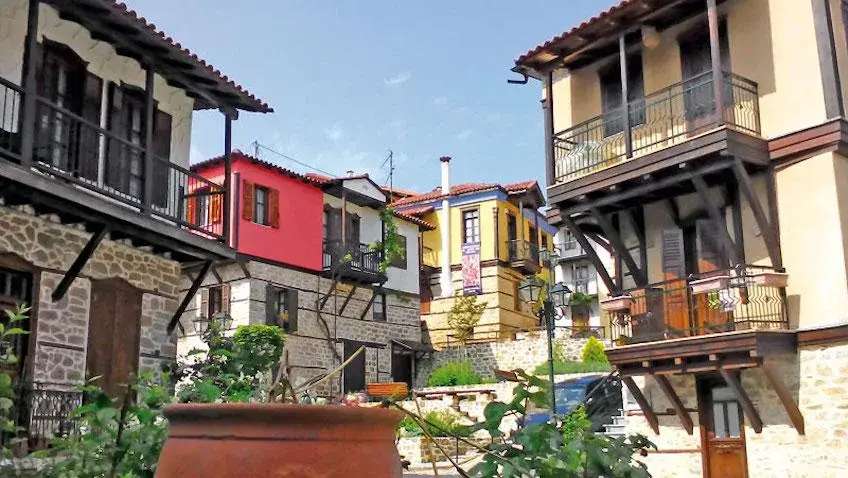
Guides
7 Days in Halkidiki by Car: The Perfect 2026 Road-Trip Itinerary
Complete 7-day road-trip itinerary for Halkidiki — Kassandra, Sithonia, Athos, beaches, restaurants, accommodation, drive times.
6/18/2026
13 min read
Guides
Halkidiki from the Balkans: The Complete 2026 Guide
Complete Halkidiki guide for Balkan travelers: routes from Sofia/Belgrade/Bucharest/Skopje, costs, borders, seasonal strategy.
6/17/2026
11 min read
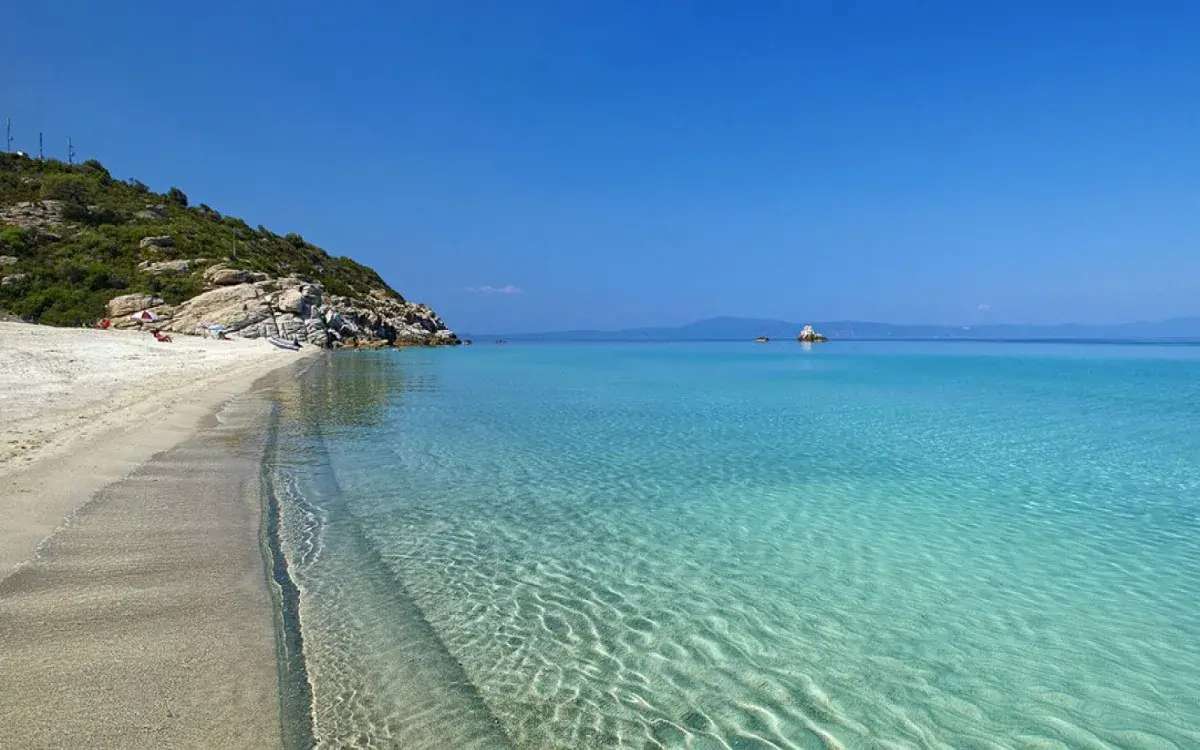
Tips
Halkidiki or Thassos: Which to Choose for Your 2026 Holiday
Halkidiki vs Thassos comparison: access, beaches, accommodation, cost, nightlife, families vs couples. An honest guide with real data.
6/17/2026
9 min read
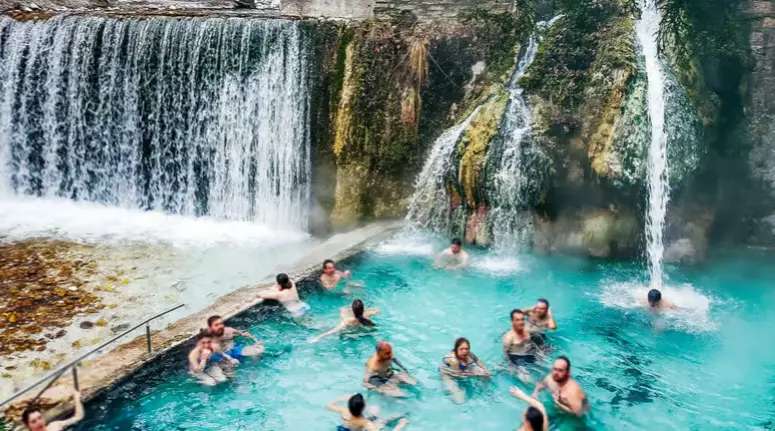
Guides
Trip to Edessa: Waterfalls & Waters
The 70-metre Karanos inside the city, the passage behind the waterfall and the Pozar double bill — the coolest trip of the summer.
6/2/2026
5 min read
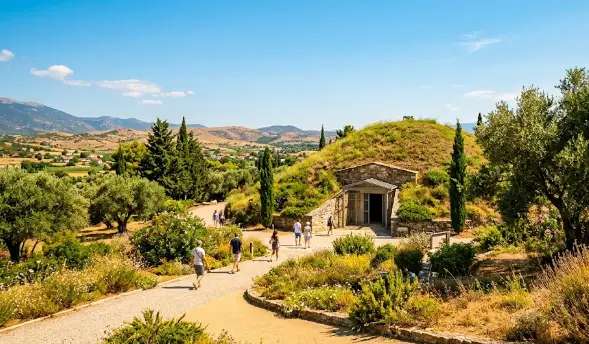
Guides
Trip to Vergina: The Tomb of Philip
Philip II’s unlooted tomb inside the Aigai mound: the most powerful cultural day trip from Halkidiki, with a lunch stop in Veria.
6/2/2026
5 min read
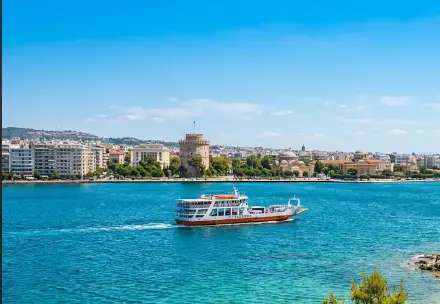
Guides
Excursion to Thessaloniki from Halkidiki
The easiest big excursion: 1-1.5 hours drive, a route that works (coastal-Kapani-Upper Town) and the best food in Greece.
6/2/2026
5 min read
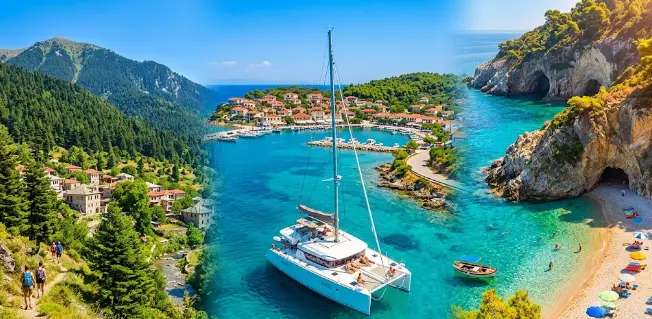
Guides
Best Day Trips from Halkidiki
The day trips worth taking from Halkidiki, sorted by time: Athos and Petralona, Thessaloniki, Vergina, Olympus, Edessa — and when Meteora is (not) worth it.
6/2/2026
5 min read
Guides
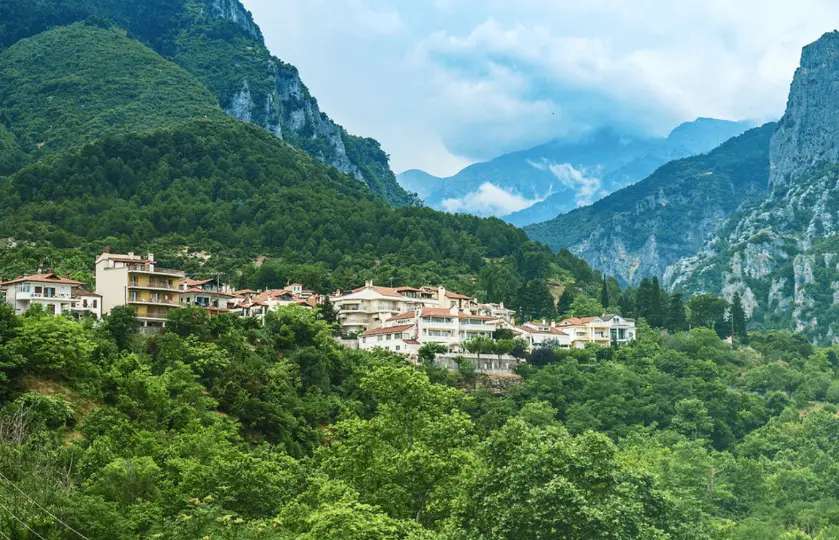
Excursion to Olympus & Dion from Halkidiki
The Macedonian sanctuary at Dion, the Enipeas gorge and Prionia — the best-balanced “mountain day” from Halkidiki, 2 hours away.
6/2/2026
5 min read
Guides
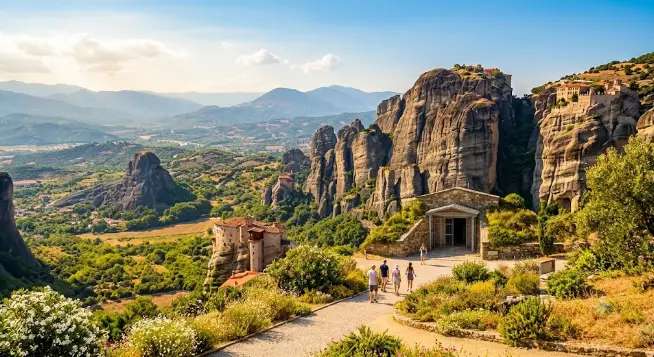
Trip to Meteora from Halkidiki
Monasteries on 400-metre rocks, 3.5 hours from Halkidiki: which to visit, in what order, and the honest answer to “day trip or overnight?”.
6/2/2026
5 min read
Culture
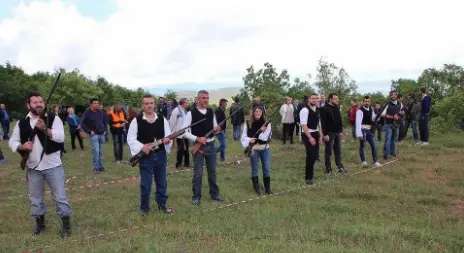
Easter in Halkidiki: Traditions, Villages & Guide
Easter in Halkidiki: Epitaphios in Arnaia, a seaside Resurrection, lamb in the courtyards — where to go, what to catch, what to book early.
6/2/2026
6 min read
Tips
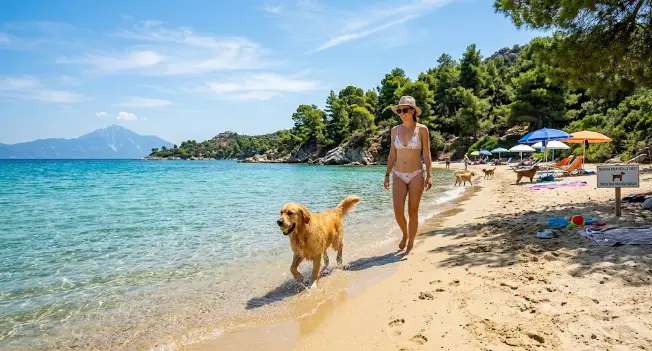
Halkidiki with a Dog: Beaches, Accommodations & Practical Tips
A dog holiday in Halkidiki: what applies on beaches, the most dog-friendly free shores, heat safety, vets and pet-welcoming stays.
6/2/2026
6 min read
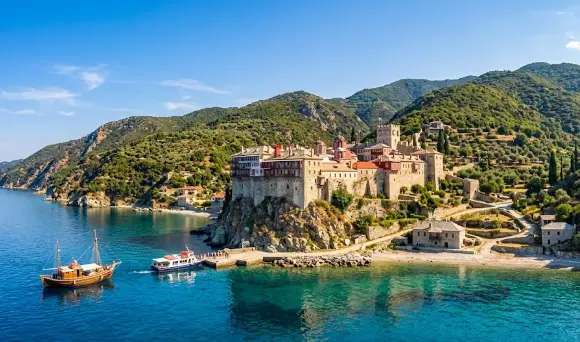
Culture
Mount Athos: Complete Guide for Accommodation 2026
Step-by-step how to obtain accommodation for Mount Athos: booking, pickup, ferry, rules, what to bring. And the alternative cruise for women.
6/2/2026
7 min read
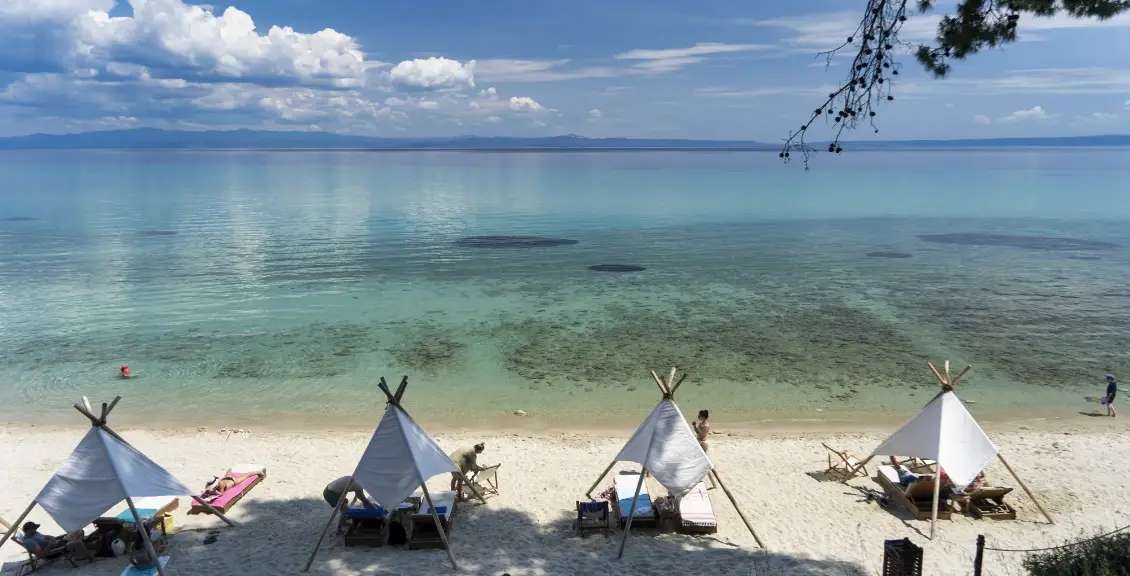
Beaches
Quiet Beaches of Halkidiki Without Crowds
Beaches where you find peace even in August: hidden coves across Sithonia, Kassandra and the Athos side, with access notes, what to bring, and timing strategy.
6/2/2026
7 min read
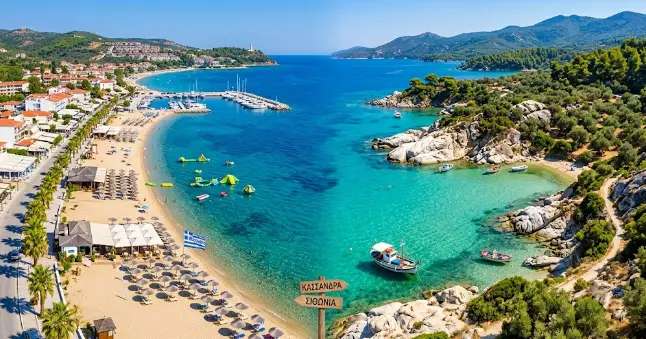
Guides
Sithonia or Kassandra? The Definitive Comparison Guide
Kassandra or Sithonia for your vacation? A comparison of beaches, atmosphere, prices, and access — with clear recommendations based on visitor type.
6/2/2026
6 min read
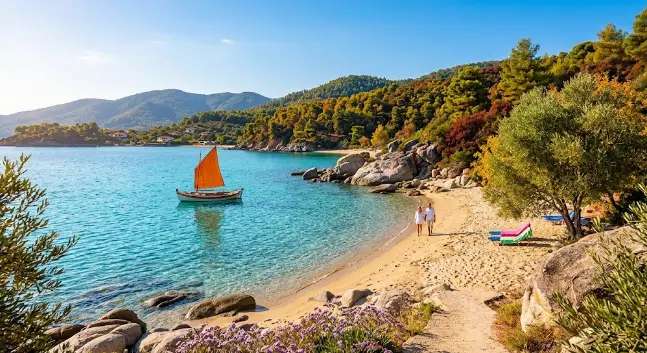
Tips
Halkidiki in October: Is It Worth It?
Sea 20-22°C, prices -40%, empty Kavourotripes and grape harvest in the estates: for whom (and how) is Halkidiki worth it in October.
6/2/2026
5 min read
Tips
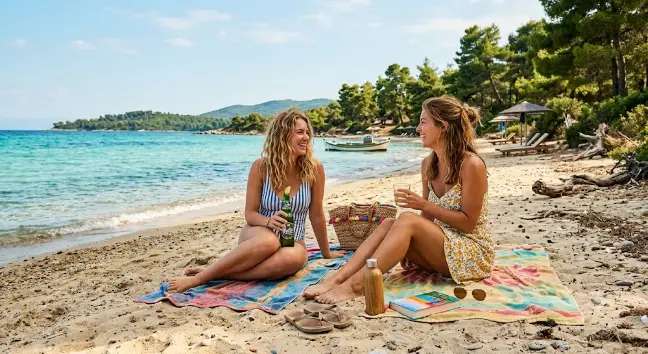
Chalkidiki on a Budget: A Week of Vacation for 500-700€
A week for two at €500-700: base villages 10 minutes from the sea, eating like locals, free experiences and a detailed sample budget.
6/2/2026
6 min read
Activities
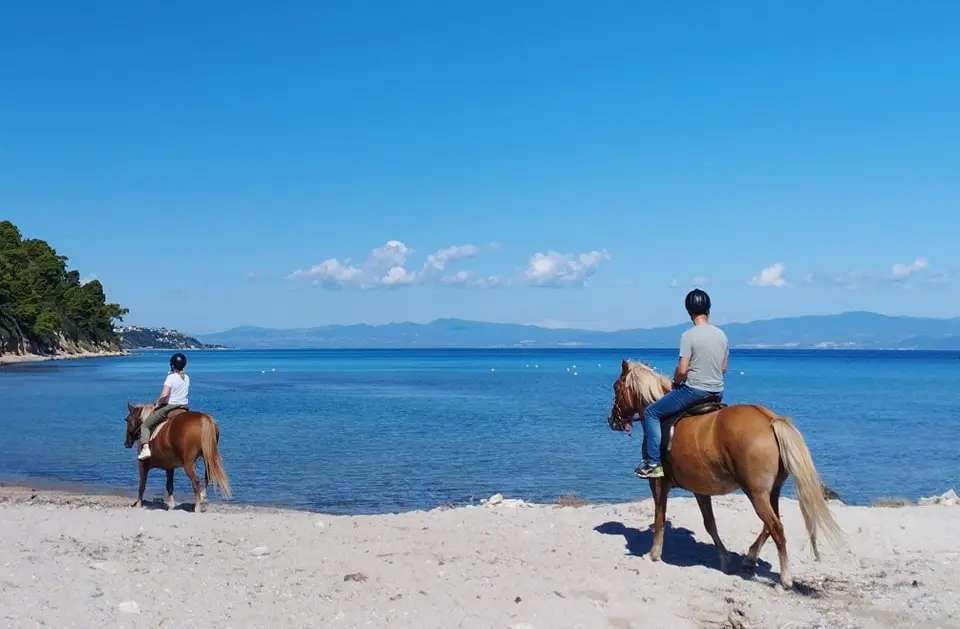
Horseback Riding in Halkidiki: A Magical Experience
Horseback riding in Halkidiki is one of the lesser-known activities in the area, although the conditions — long beaches, pine forests, mountain trails — make it ideal. There are 4-5 active...
5/6/2026
4 min read
Guides
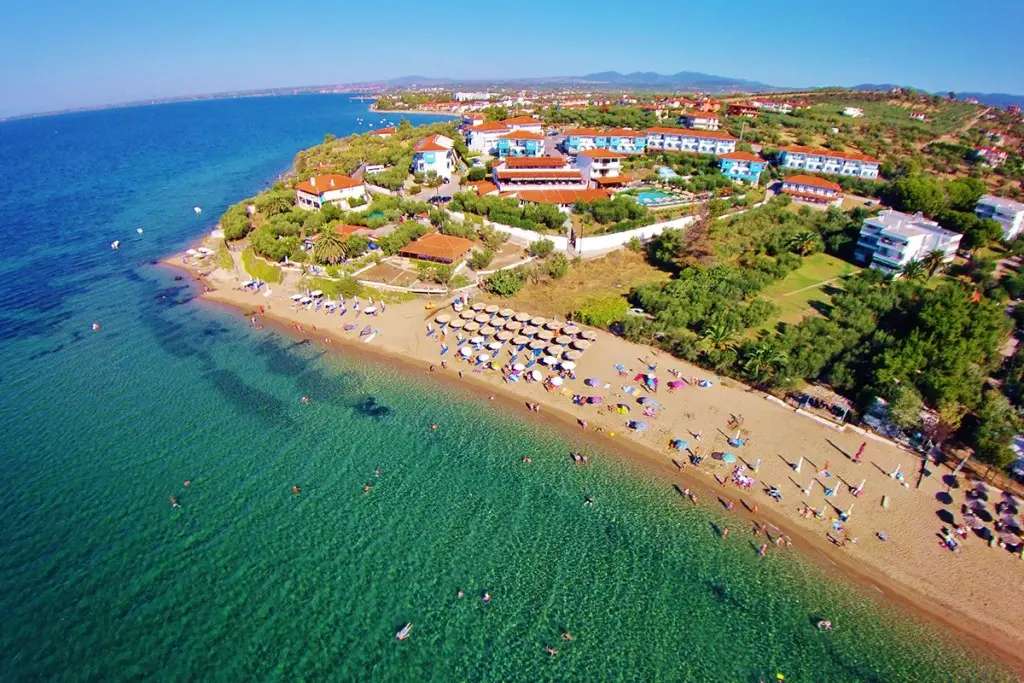
The Ultimate Guide to Gerakini, Halkidiki
Halkidiki’s quickest sea: a long shallow beach 70 minutes from Thessaloniki and an ideal base for day trips to both Kassandra and Sithonia.
5/6/2026
5 min read

Guides
The Ultimate Guide to Sano, Halkidiki
A small farming village on Cholomontas’ fringes, 10 minutes from Arnaia — part of mountain Halkidiki’s authentic loop drive.
5/6/2026
4 min read

Guides
The Ultimate Guide to Paleokastro, Halkidiki
A plains farming village with ancient Olynthos and Kalyves 10 minutes away — quiet, budget central Halkidiki.
5/6/2026
4 min read
Guides
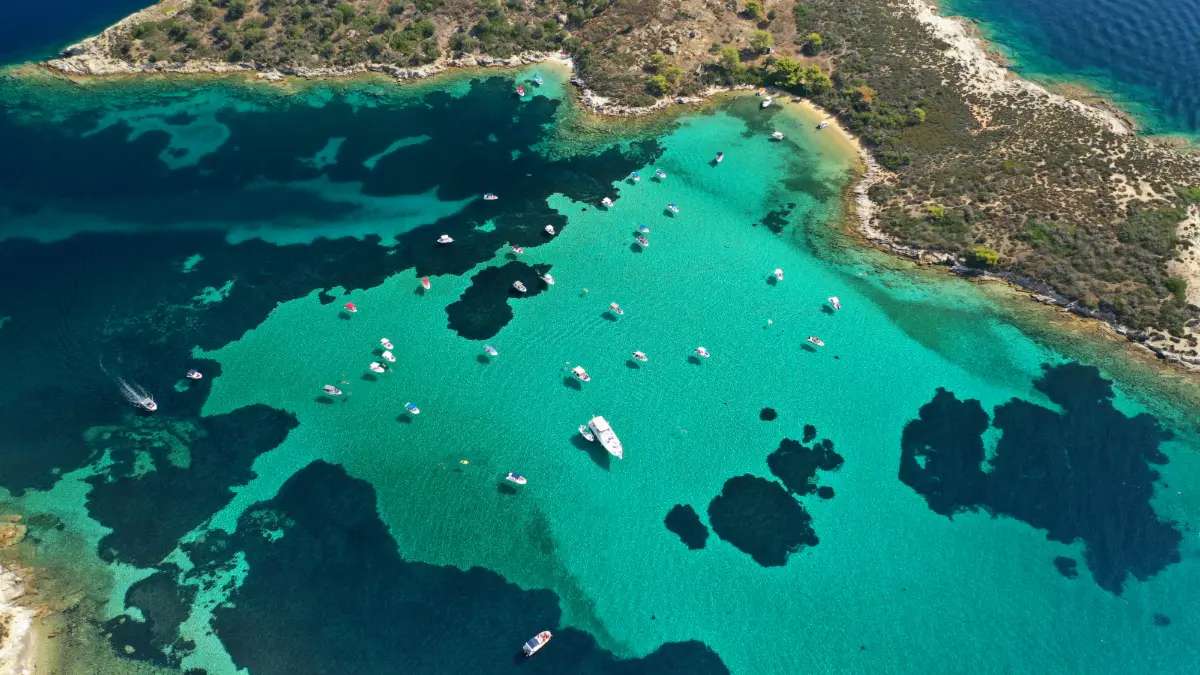
Ultimate Guide to Vrasta, Halkidiki
A mountain village among east Cholomontas’ oaks, on the loveliest quiet descent towards Olympiada.
5/6/2026
4 min read
Guides
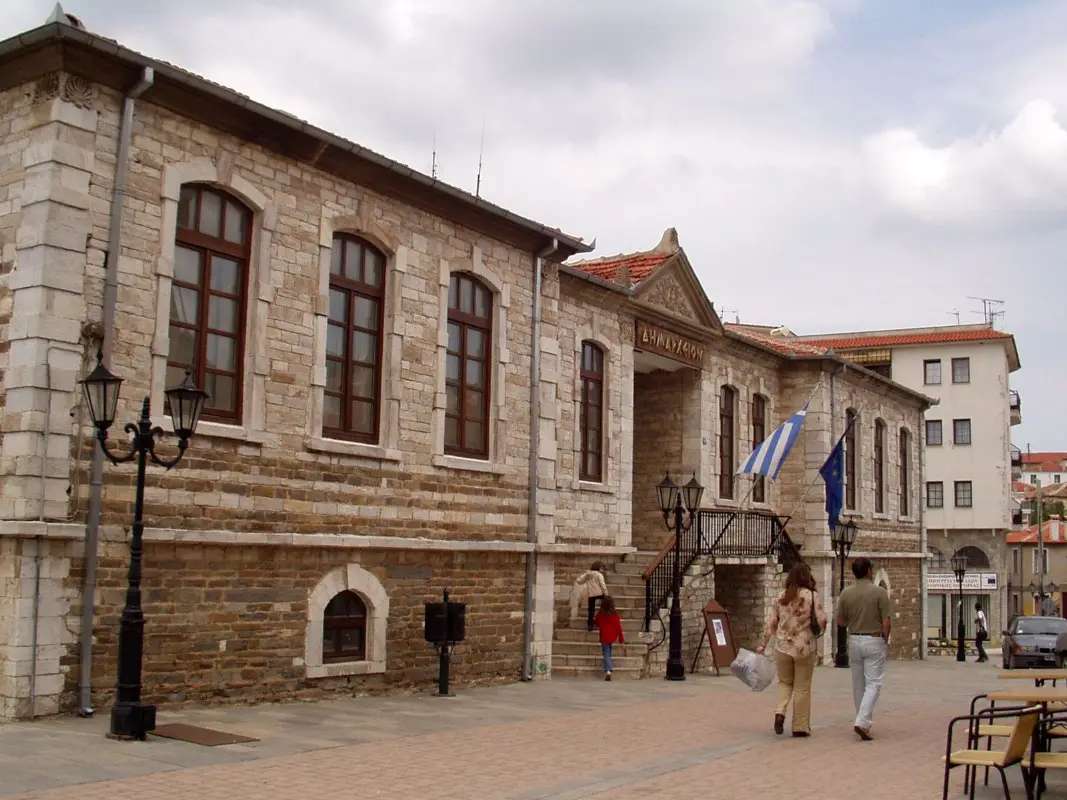
The Ultimate Guide to Polygyros, Halkidiki
Polygyros is the capital of the Halkidiki region — the only proper town in the area, with around 7,000 permanent residents. Unlike the seaside villages that most tourists know...
5/6/2026
3 min read
Guides
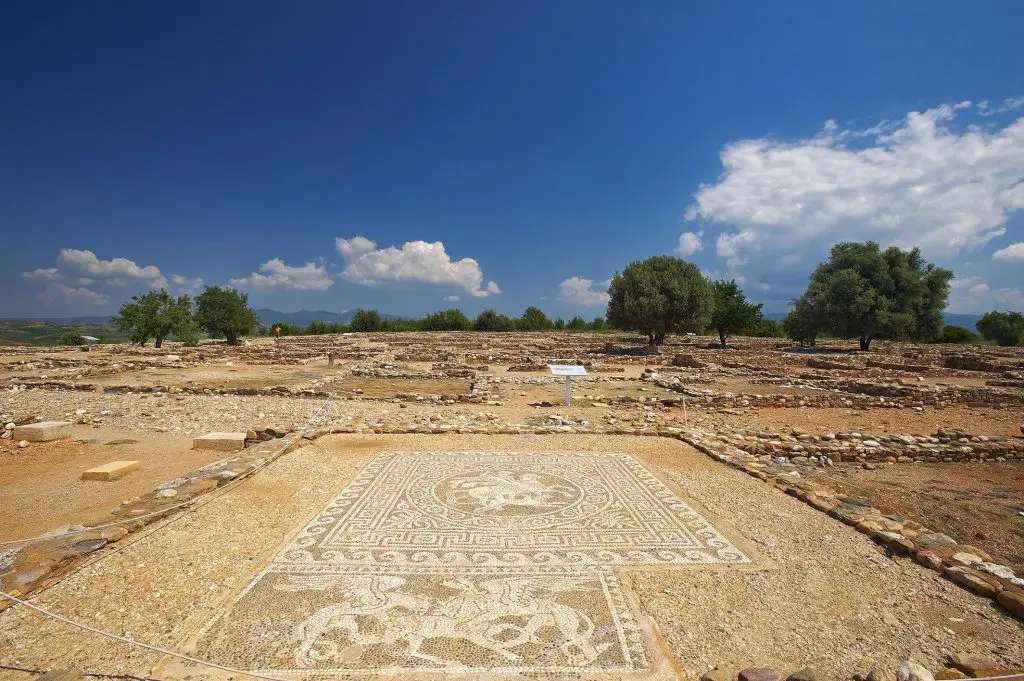
Olynthos, Halkidiki: The Ultimate Exploration Guide
The village of ancient Olynthos: a Hippodamian grid, some of Greece’s oldest mosaics, a winery next door and the sea 5 minutes away.
5/6/2026
5 min read
Guides
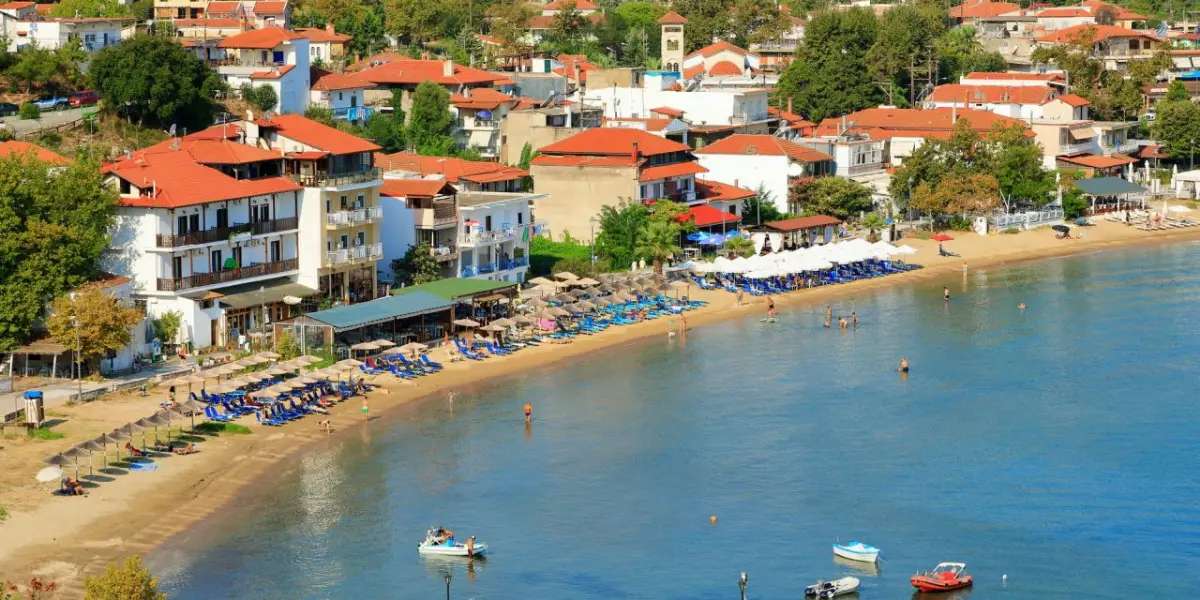
The Ultimate Guide to Olympiada, Halkidiki
An enclosed green bay, Aristotle’s ancient Stagira next door and some of Greece’s best mussels — northeastern Halkidiki at its finest.
5/6/2026
5 min read

Guides
The Ultimate Guide to Stratoni, Halkidiki
The mining village with the long free beach and Mount Athos views — eastern Halkidiki’s most “real” and budget-friendly base.
5/6/2026
5 min read
Guides
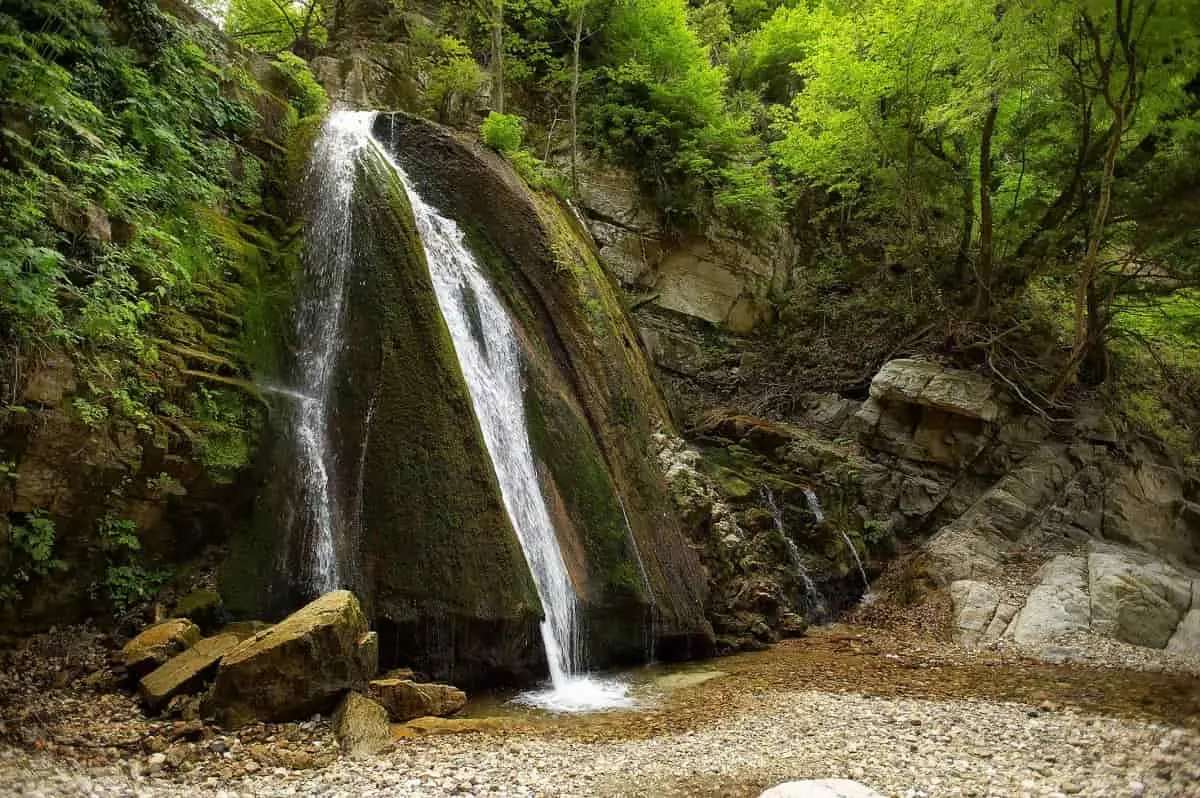
Varvara: The Ultimate Guide to the Village in Halkidiki
Halkidiki’s most forested village: waterfalls among the chestnuts, Taxiarhis next door and the finest descent towards Olympiada.
5/6/2026
4 min read

Guides
The Ultimate Guide to Paleochori, Halkidiki
Cholomontas’ grill-house village: charcoal meat, Arnaia 4 km away and mountain trails from your doorstep.
5/6/2026
4 min read

Guides
Guide to Megali Panagia, Halkidiki
The northeastern hinterland’s “balcony” with the great August 15th festival — a food-and-view stop on the Arnaia-Ierissos road.
5/6/2026
4 min read
Guides
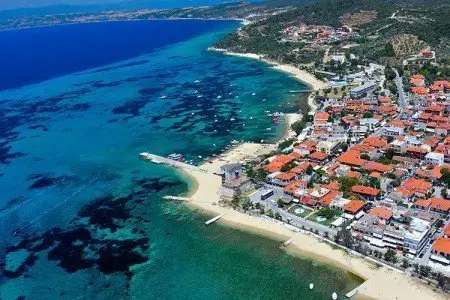
The Ultimate Guide to Gomati, Halkidiki
A farming village in a green valley with Ierissos’ sand 10 minutes away — unseen, budget-friendly NE Halkidiki.
5/6/2026
4 min read
Guides
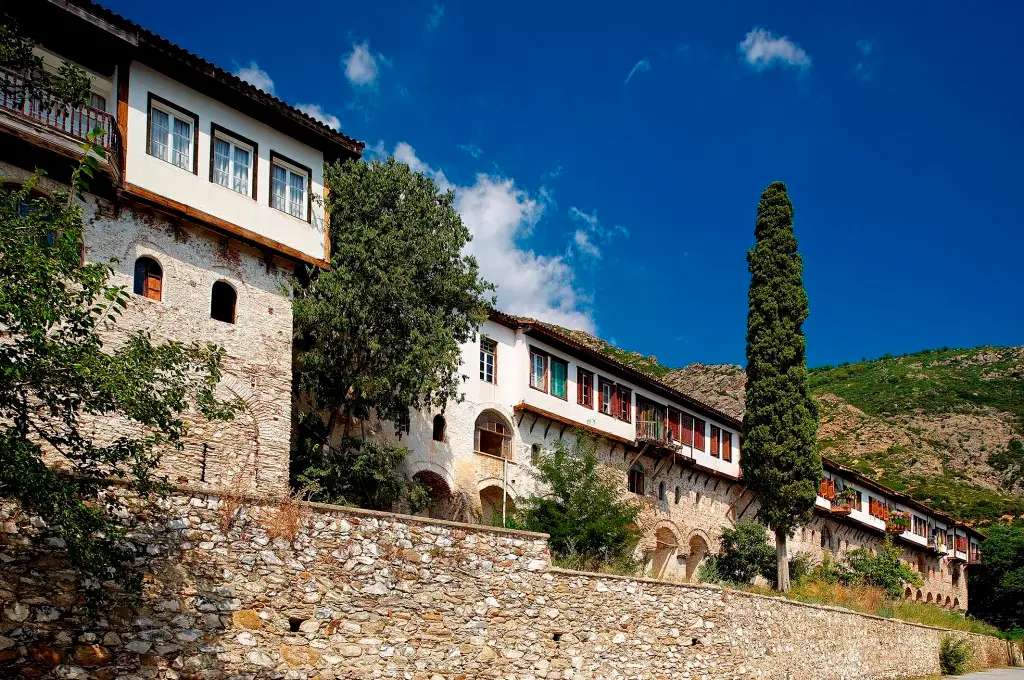
Guide to Galatista in Halkidiki
Halkidiki’s first village after Thessaloniki: a Byzantine tower, the Anthemounta valley and the grill houses every Thessalonian knows.
5/6/2026
4 min read
Guides
The Ultimate Guide to Taxiarhis, Halkidiki
Taxiarhis is one of the quietest and most authentic villages in Halkidiki. Perched at an altitude of 600 meters on the slopes of Holomontas (the highest mountain in the region at 1,165m), with around 600 permanent residents, it serves as a gateway for those looking to explore the mountainous Halkidiki — a reality that most tourists, focused on the beaches, completely overlook. This guide explains what makes Taxiarhis a unique choice for a day or two.
5/6/2026
4 min read

Guides
The Ultimate Guide to Neohori Halkidiki
Palaiochori’s quiet sibling: an unspoiled mountain village in the Arnaia triangle, for a stroll, coffee and cool air.
5/6/2026
4 min read

Guides
Ultimate Guide to Stratoni, Halkidiki
The mining “balcony” above Stratoni: twinned with Stagira, views over the Ierissos gulf and Olympiada next door.
5/6/2026
4 min read
Guides
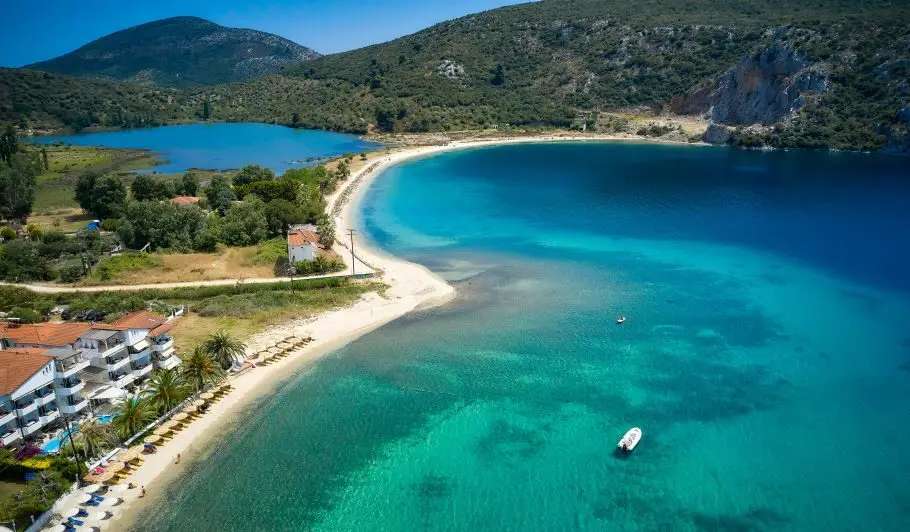
The Ultimate Guide to Doumpia in Halkidiki
An Anthemounta farming village between Galatista and Cholomontas — the quiet hinterland 45 minutes from Thessaloniki.
5/6/2026
4 min read

Guides
Guide to Stageira: Hidden Treasure of Halkidiki
The village of the Aristotle Grove: open-air physics instruments, panoramic views and the ideal combo with ancient Stagira at Olympiada.
5/6/2026
4 min read

Guides
Ultimate Guide to Flogita, Halkidiki
Moudania’s quiet seaside “suburb”: sand 500 m from the village, shallow water and just 50 minutes from Thessaloniki.
5/6/2026
5 min read
Guides
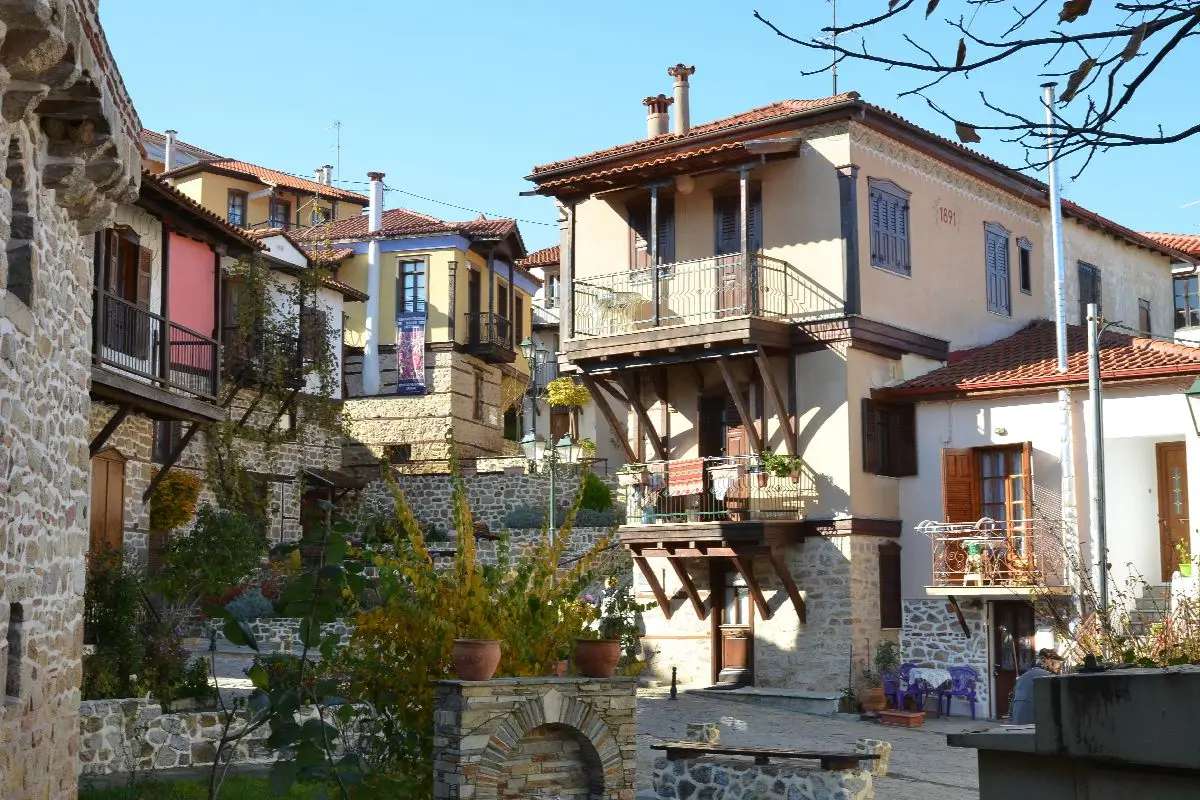
Ultimate Guide to Arnaia in Halkidiki
Halkidiki’s mountain capital: a listed settlement, the glass-floored church of Agios Stefanos, famous honey and Mount Cholomontas — a guide for every season.
5/6/2026
5 min read
Guides
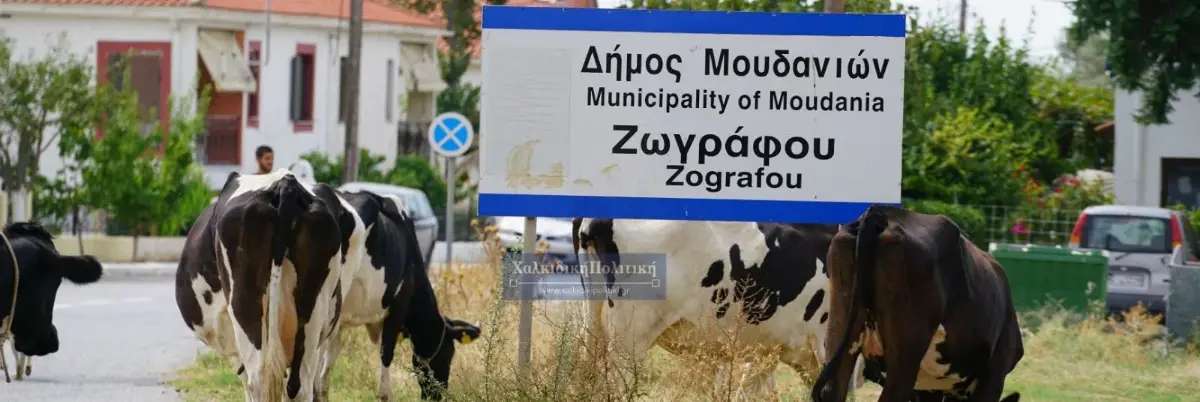
The Ultimate Guide to Zografou Halkidikis
The village with the Athonite name: quiet hinterland 5 km from Flogita’s sea, with Petralona and the Asia Minor Museum nearby.
5/6/2026
4 min read

Guides
The Ultimate Guide to Sýmanta, Halkidiki
A farming village in the Moudania hinterland: a quiet budget base with Olynthos, a winery and the sea 10-15 minutes away.
5/6/2026
4 min read

Guides
Portaria: The Ultimate Guide to the Inland of Halkidiki
The balcony above Moudania: views of two gulfs, ancient Olynthos as the downhill neighbour and the sea 7 minutes away.
5/6/2026
4 min read
Guides
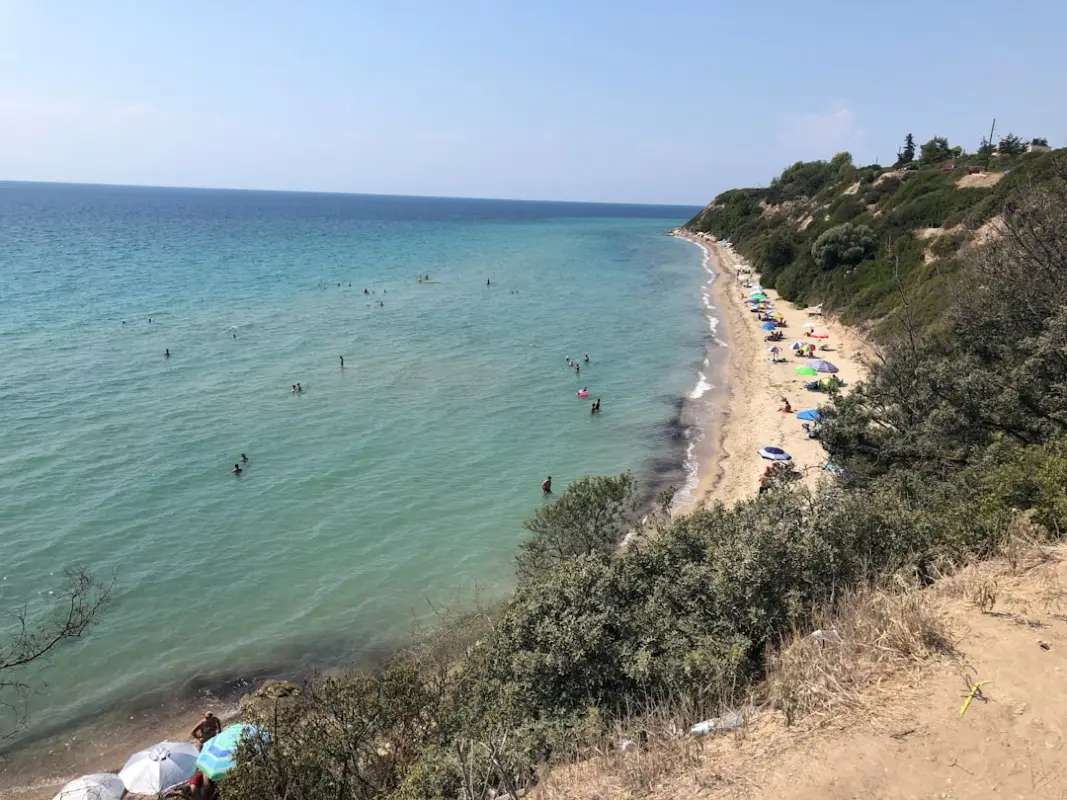
The Ultimate Guide to Nea Plagia, Halkidiki
The last village before Kassandra: Portes beach 600 m away, the Potidea canal next door and just 55 minutes from Thessaloniki.
5/6/2026
5 min read

Guides
Xyropotamos: The Ultimate Guide to Halkidiki
A green hamlet 8 minutes from Ierissos’ sand and the Ammouliani ferry — the Athos coast’s “close but outside”.
5/6/2026
4 min read

Guides
Ultimate Guide to Nea Moudania, Halkidiki
Nea Moudania is not only the modern gateway to Halkidiki but also one of the most historically rich areas of the region. Along the 65 kilometers from Thessaloniki to the entrance of...
5/6/2026
5 min read

Guides
Ultimate Guide to Trypiti, Halkidiki
Ammouliani’s little port with its own beach, mussels from the farms offshore and the Xerxes Canal next door — the Athos coast’s unknown base.
5/6/2026
5 min read

Guides
The Ultimate Guide to Nea Roda, Halkidiki
The village on the Xerxes Canal: a marina, sandy beaches and a key position 10 minutes from Ammouliani, Ouranoupoli and Ierissos.
5/6/2026
5 min read

Guides
Ultimate Guide to Toroni, Halkidiki
Two kilometres of sand with the Byzantine Lekythos fortress at one end, Porto Koufo next door and Sithonia at its calmest — the full guide.
5/6/2026
5 min read

Guides
The Ultimate Guide to Parthenonas, Halkidiki
Parthenonas is the most "secret" village of Sithonia. Perched at an altitude of 380 meters above Neos Marmaras, it is the highest inhabited village on the second leg of Halkidiki, and one of the most beautiful traditional villages in the region.
5/6/2026
4 min read
Guides
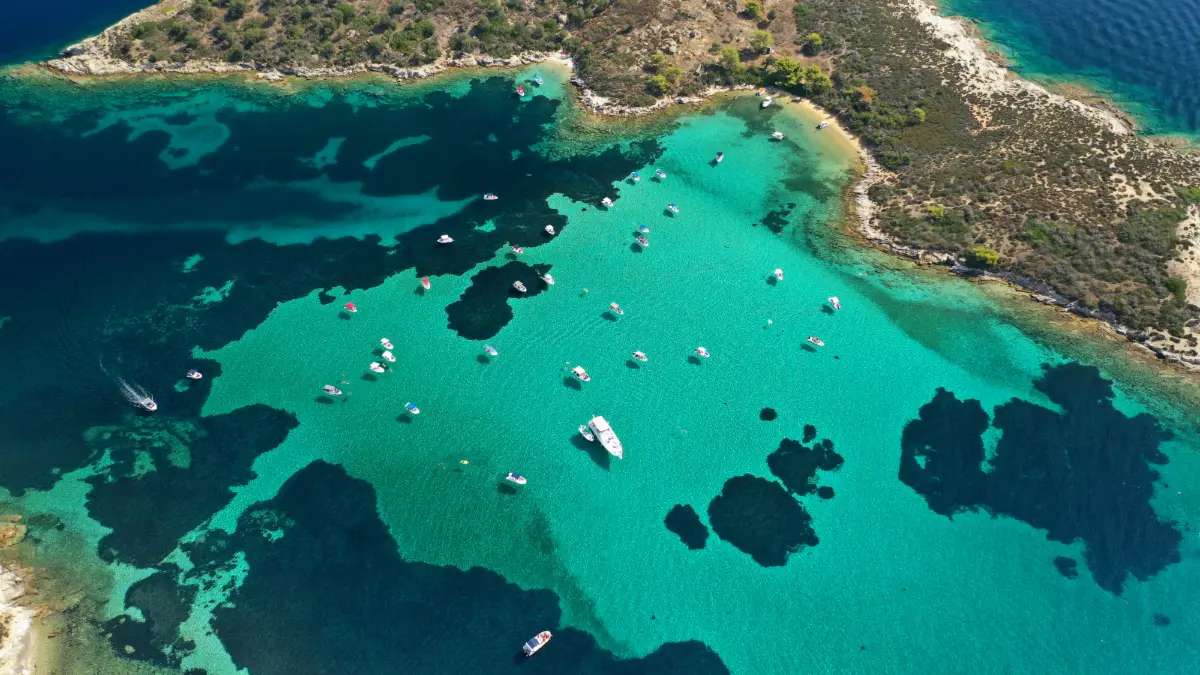
The Ultimate Guide to Vourvourou in Halkidiki
Vourvourou is perhaps the most "island-like" destination in Halkidiki. It is not a typical village with a central square and local population — it is mainly a scattered residential area with villas, hotels, and small accommodations along its lace-like coastline.
5/6/2026
4 min read
Guides
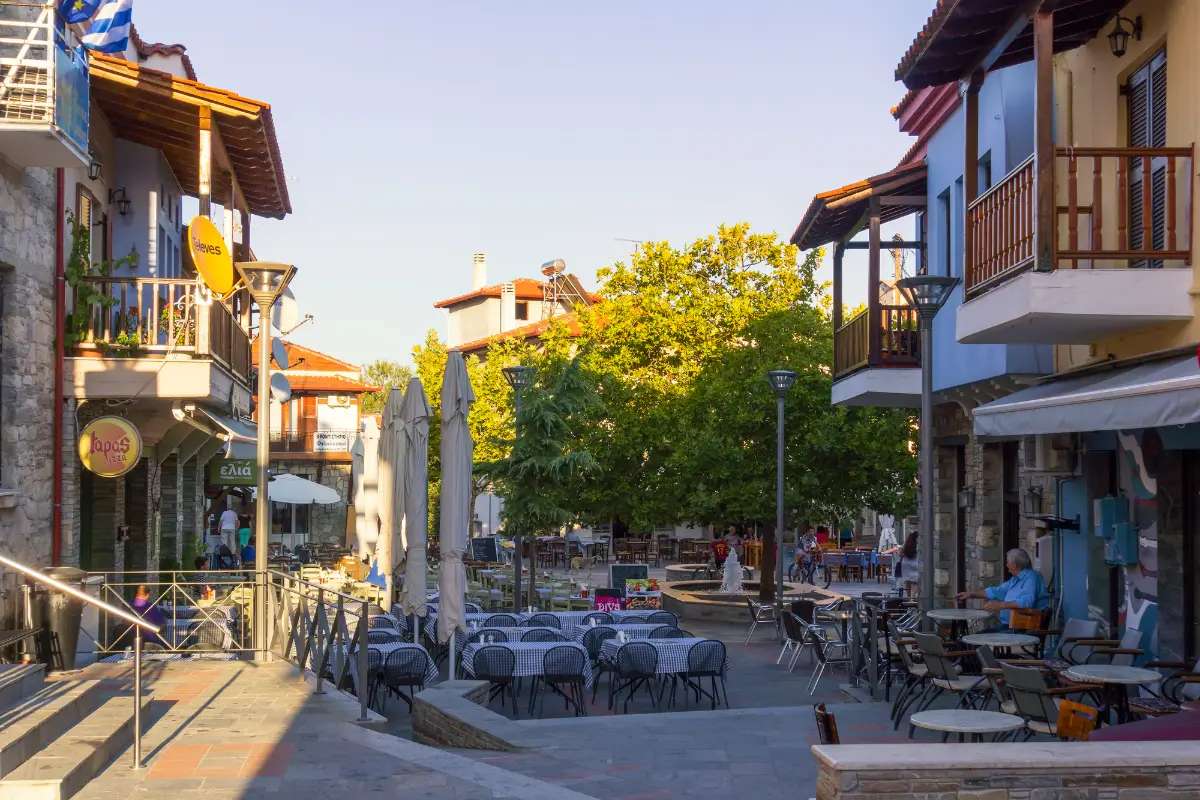
The Ultimate Guide to Agios Nikolaos, Halkidiki
Northeast Sithonia’s authentic village: a plane-tree square, Trani Ammouda and Ormos Panagias 5 minutes away, Vourvourou in 10 — the full guide.
5/6/2026
5 min read

Guides
The Ultimate Guide to Poseidi, Halkidiki
The cape with the sand spit, the 1864 lighthouse and the sanctuary of Poseidon — a two-sea beach, Olympus-view sunsets and all the practical detail.
5/6/2026
5 min read
Guides
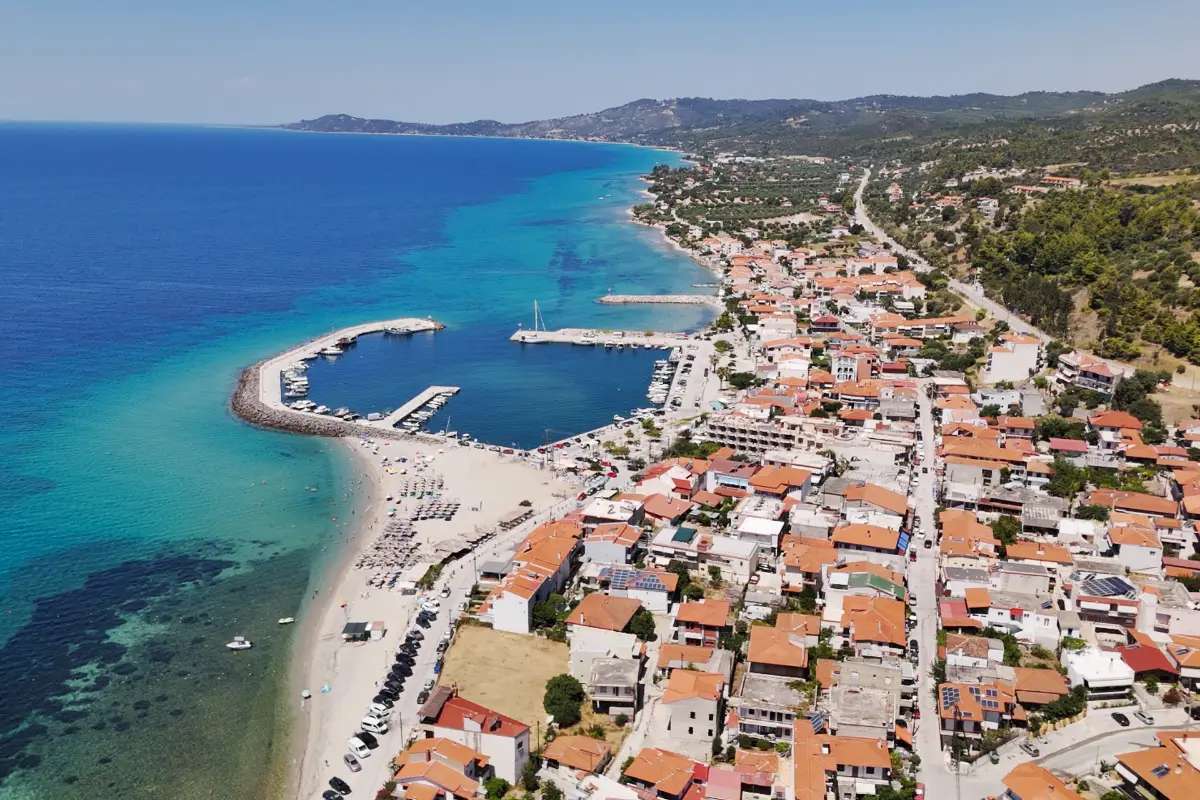
The Ultimate Guide to Nea Skioni in Halkidiki
Kassandra’s last true fishing village: a harbour with fresh fish, calm shallow sea and the Agia Paraskevi thermal baths next door.
5/6/2026
5 min read

Guides
The Ultimate Guide to Kassandra, Halkidiki
Kassandra’s crossroads: a village-priced base 10 minutes from both coasts — Kriopigi to the east, Fourka and Possidi to the west.
5/6/2026
5 min read

Guides
The Ultimate Guide to Siviri in Halkidiki
Kassandra’s "Greek" west side: a shallow family beach, Olympus-view sunsets and the Kassandra Festival amphitheatre — a guide with all the practical detail.
5/6/2026
5 min read

Guides
The Ultimate Guide to Planitsi, Halkidiki
Planitsi (often written "Platanitsi" or "Planitsi") is a coastal spot in eastern Sithonia, north of Sarti. It is not a typical village but mainly a large sandy beach with camping,...
5/6/2026
3 min read

Guides
The Ultimate Guide to Metamorfosi, Halkidiki
Sithonia’s first beach: pine-backed sand, a family promenade and the shortest drive from Thessaloniki — the full guide.
5/6/2026
5 min read

Guides
The Ultimate Guide to Ierissos, Halkidiki
Ierissos is the largest village in eastern Halkidiki and the "second gateway" to Mount Athos after Ouranoupoli. With around 2,700 permanent residents, it is the most significant coastal community in the region.
5/6/2026
5 min read
Guides
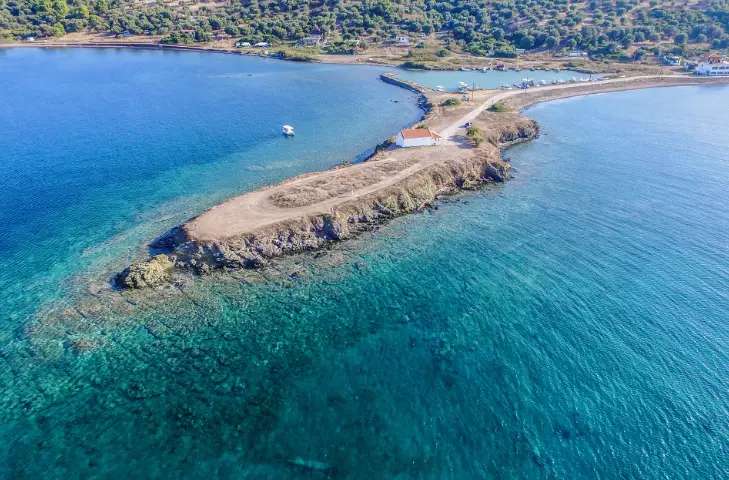
Discover Paliouri: Beaches & Gastronomy in Halkidiki
Kassandra’s quiet southern tip: Chrousou bay, Glarokavos lagoon, thermal baths next door and the peninsula’s most beautiful drive.
5/6/2026
5 min read

Tips
First Time in Halkidiki: Enchanting Discovery
If it's your first visit to Halkidiki, there are several things that would be useful to know before you arrive. Halkidiki has a specific geography, culture, and practices that differ from...
5/5/2026
3 min read
Activities
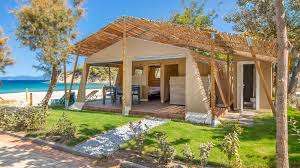
Camping in Halkidiki: Experience Nature and the Sea
Camping in Halkidiki is one of the lesser-known aspects of the area, even though it boasts some of the best-organized campgrounds in Greece. With pine forests reaching the sea, large sandy beaches, and a mild climate from May to October, the conditions are ideal. This guide presents the main campgrounds in Halkidiki, what they offer, and what you need to know.
5/5/2026
3 min read

Guides
The Ultimate Guide to Elia, Halkidiki
West Sithonia at its most relaxed: five beaches within 3 km (Lagomandra, Spathies), sunsets and Parthenonas next door — the full guide.
5/5/2026
5 min read

Guides
Explore Nea Triglia, Halkidiki: The Ultimate Guide
Asia Minor memory and the Archanthropus: the Asia Minor Culture Museum in the village, Petralona Cave next door and beaches 10 minutes away.
5/5/2026
5 min read
Guides
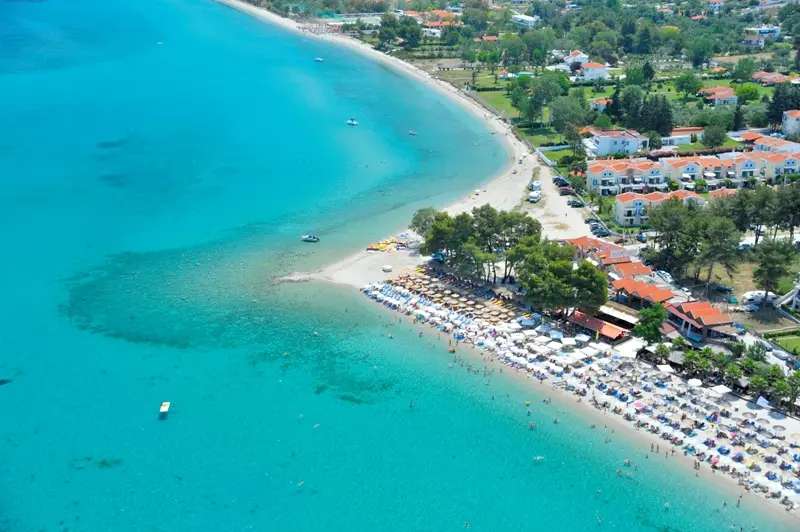
Pefkochori: The Ultimate Guide to Halkidiki
Pefkochori is the southernmost major tourist village of Kassandra. With around 2,500 permanent residents and a capacity of over 15,000 people in the summer, it is one of the most popular vacation spots in ...
4/14/2026
4 min read
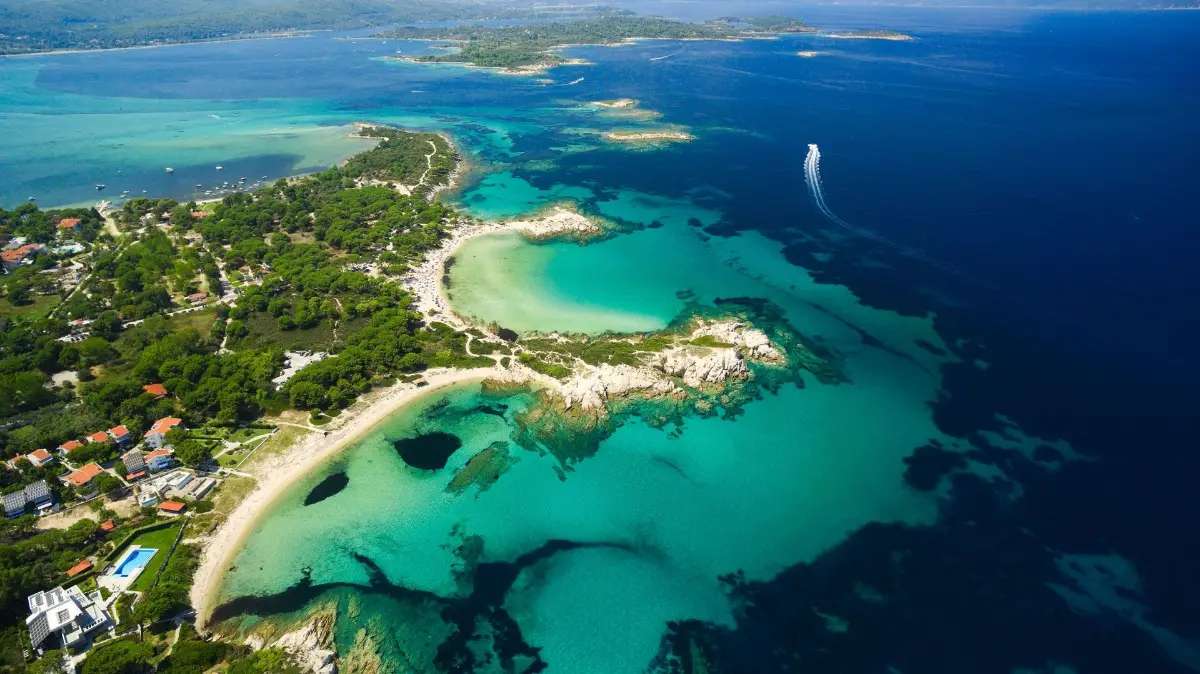
Beaches
The Best Beaches of Sithonia: A Coast-by-Coast Guide
Over 60 documented beaches on Sithonia, organized coast by coast: Vourvourou, Kavourotripes, Karydi, Toroni — with a "which for whom" guide and practical detail.
4/14/2026
7 min read
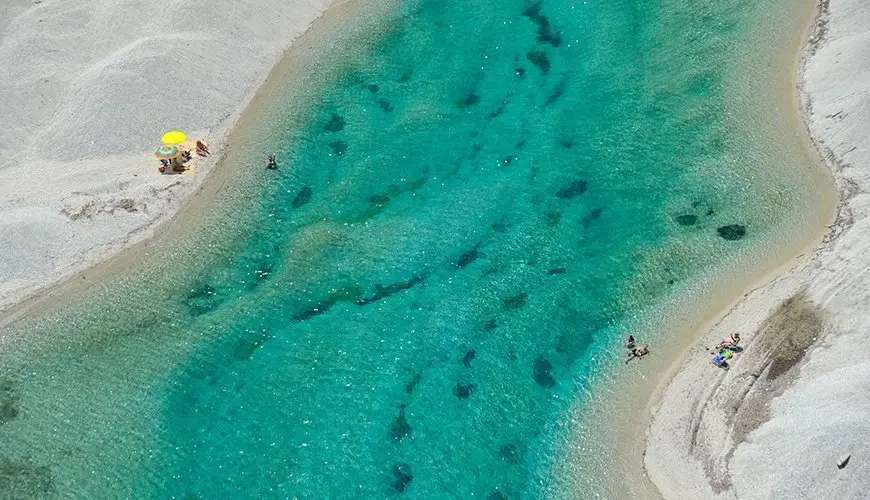
Beaches
The Best Beaches of Kassandra: A Coast-by-Coast Guide
Sani, Possidi, Kryopigi, Hanioti — Kassandra’s best beaches organized coast by coast, with a "which for whom" guide: families, groups, quiet, sunsets.
4/14/2026
7 min read
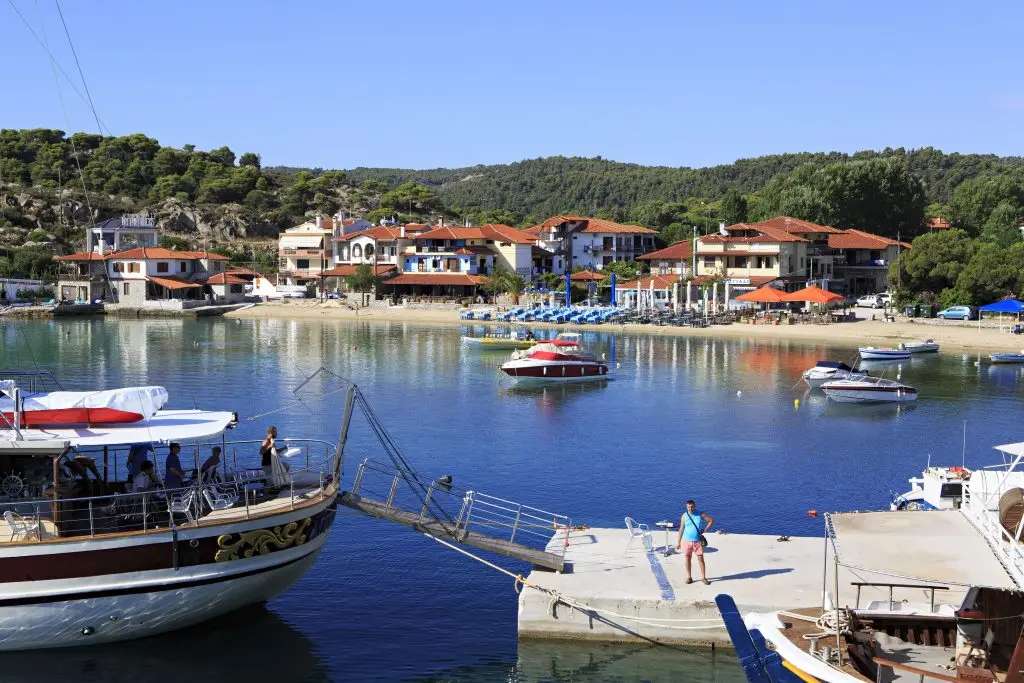
Guides
The Ultimate Guide to Ormos Panagias, Halkidiki
The picturesque harbour where the Mount Athos cruises sail from: fish tavernas on the water, Trani Ammouda next door and quiet beaches all around.
4/14/2026
5 min read
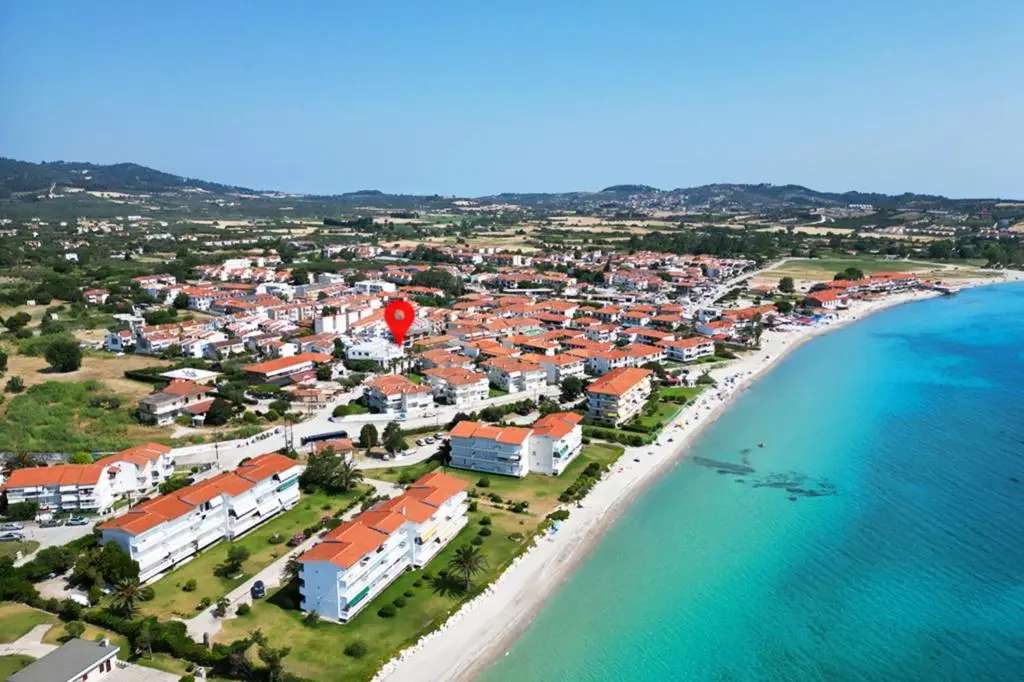
Guides
Fourka Halkidiki: An Olympic Life Experience
Two villages in one: quiet "upper" Fourka and the lively Skala with its sandy beach, the aquapark next door and west Kassandra’s sunset.
4/14/2026
5 min read
Guides
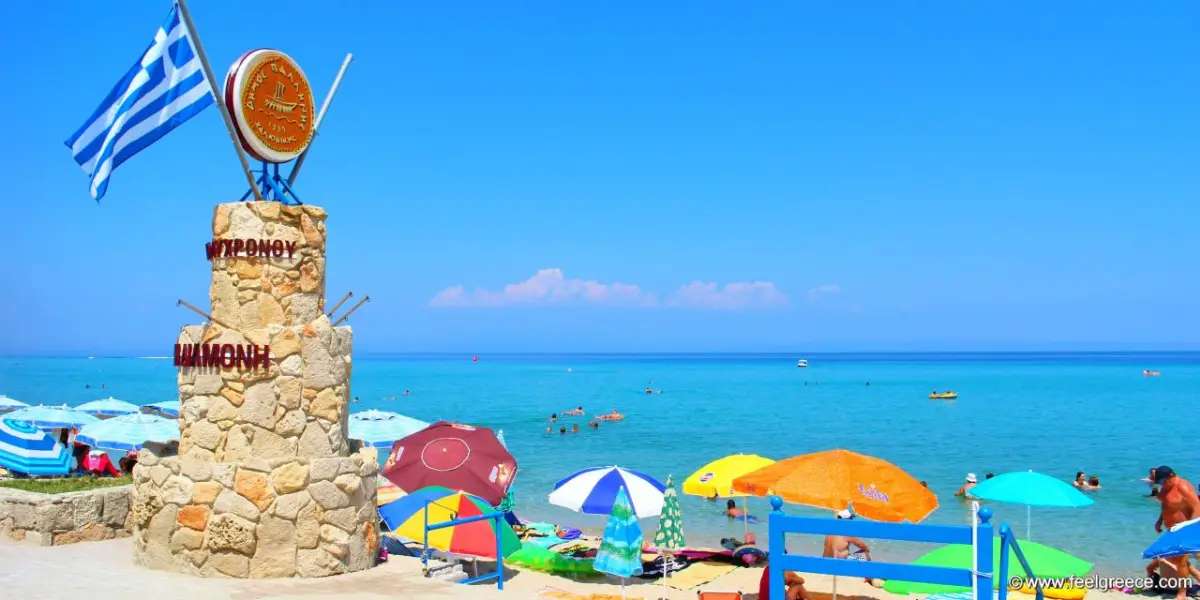
The Ultimate Guide to Polychrono, Halkidiki
A balanced east-Kassandra resort with a long shallow beach and the Mavrobara turtle lake — beaches, outings, food and practical tips.
4/14/2026
5 min read
Guides
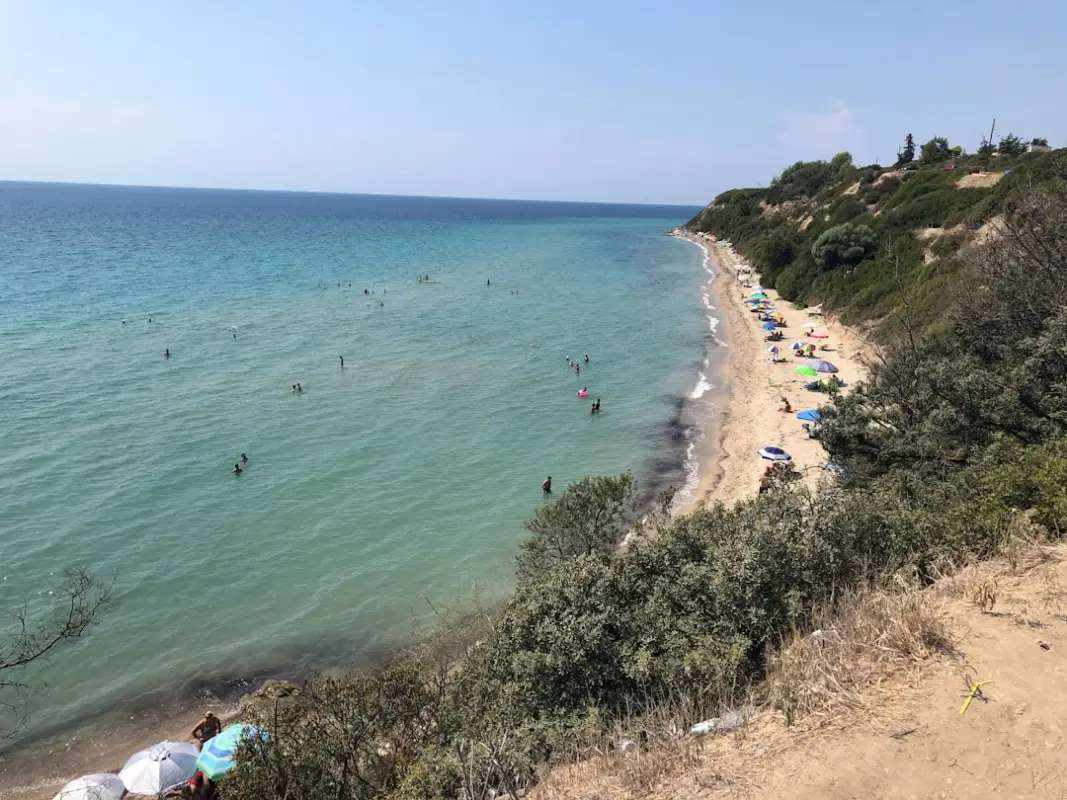
The Ultimate Guide to Kryopigi, Halkidiki
The greenest village on east Kassandra: a 2 km beach with pines to the waterline, a quiet base 5 minutes from Kallithea — beaches, food, practical tips.
4/14/2026
5 min read
Guides
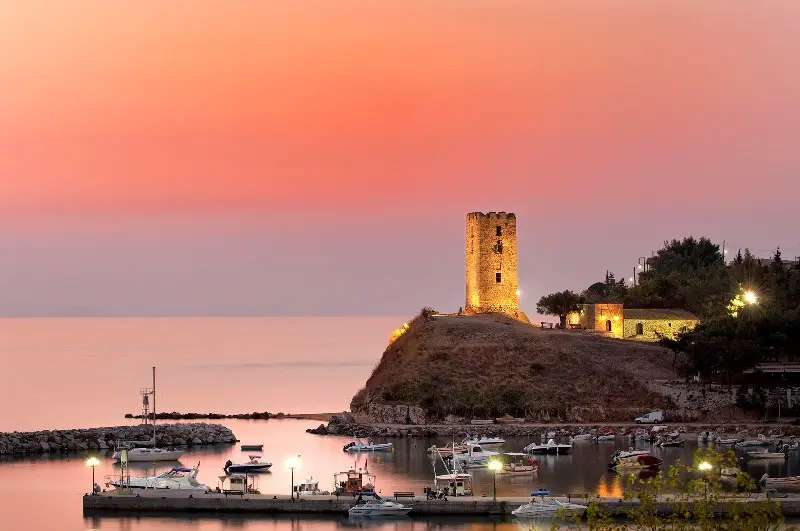
Nea Fokea: A Guide to Halkidiki
A fishing village with a 1407 Byzantine tower, the Agiasma of Apostle Paul and tavernas on the water — Kassandra’s most authentic gateway.
4/14/2026
5 min read
Guides
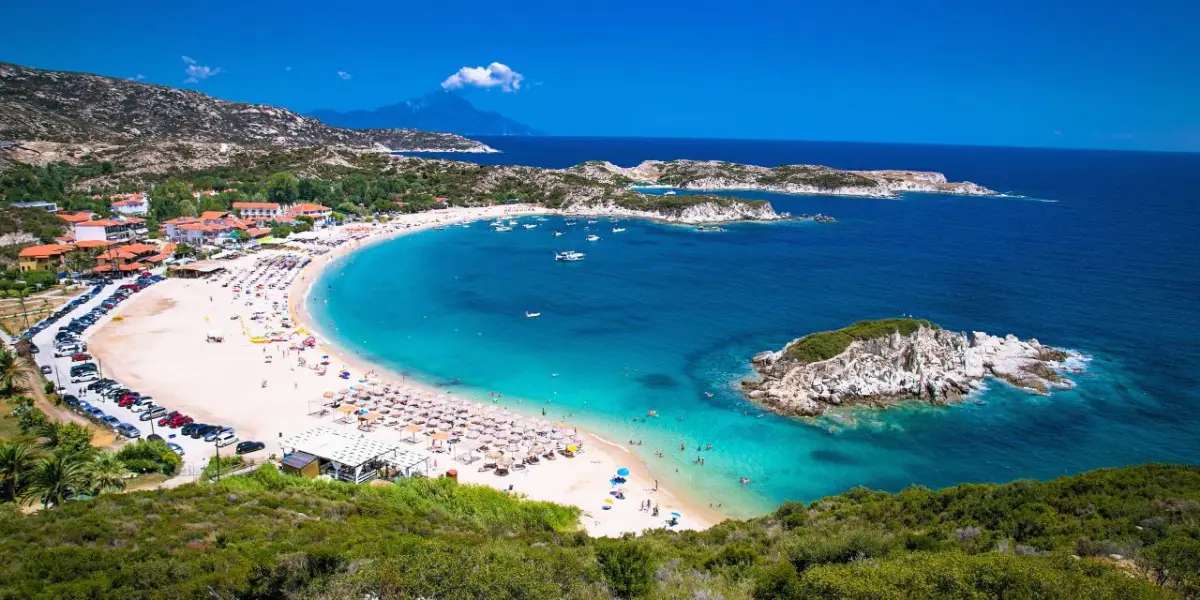
The Ultimate Guide to Kalamitsi, Halkidiki
Twin coves with crystal water at Sithonia’s southeastern tip: diving, snorkeling, camping and the hidden beaches further south.
4/14/2026
5 min read
Guides
The Ultimate Guide to Agia Paraskevi, Halkidiki
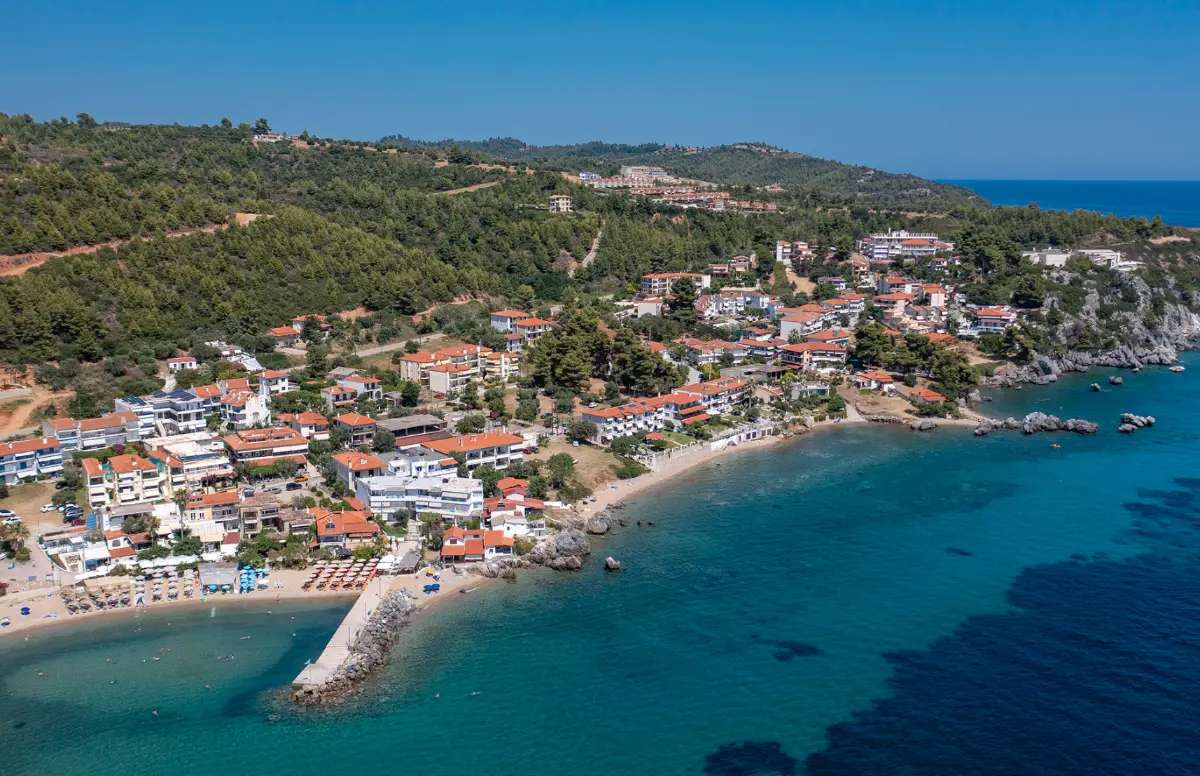
Agia Paraskevi is a small village in southern Kassandra, mainly famous for its thermal springs — known as "Agia Paraskevi Baths." With around 1,000 permanent residents, the village combines beach holidays with an additional dimension: healing. The waters of the area have been used for therapeutic treatment since ancient times and are among the few places in Greece where you have access to <strong>real thermal springs</strong> next to the sea.
4/14/2026
4 min read
Guides
Ultimate Guide to Mola Kaliva, Halkidiki
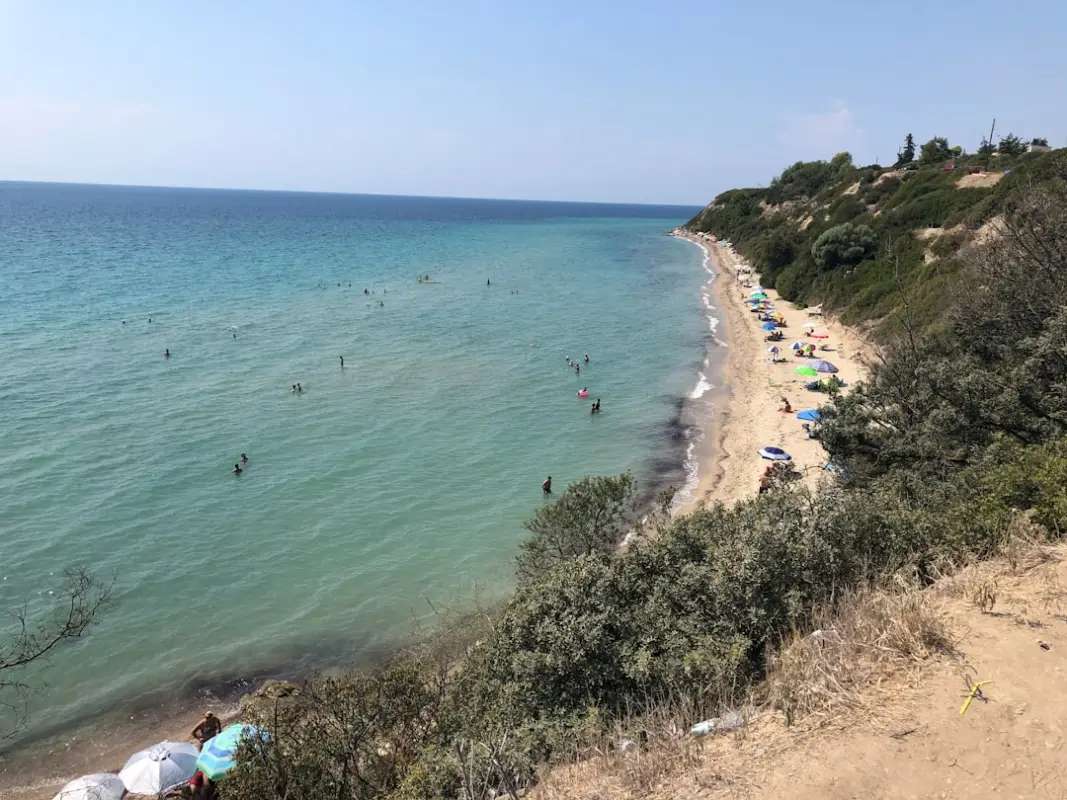
West Kassandra’s most low-key corner: a calm sandy beach, olive groves, sunsets and Possidi 10 minutes away — the full guide.
4/14/2026
5 min read
Guides
Kalives Polygyrou: The Ultimate Guide to Halkidiki
Polygyros’ seaside settlement: kilometres of golden sand towards Gerakini, shallow calm water and a Greek holiday-home character.
4/14/2026
4 min read
Activities
Mountain Biking in Halkidiki: The Adventure You're Looking For!
MTB in Halkidiki: Cholomontas forest roads, Itamos with its double sea view, easy coastal spins — seasons, kit and first routes.
4/14/2026
6 min read
Guides
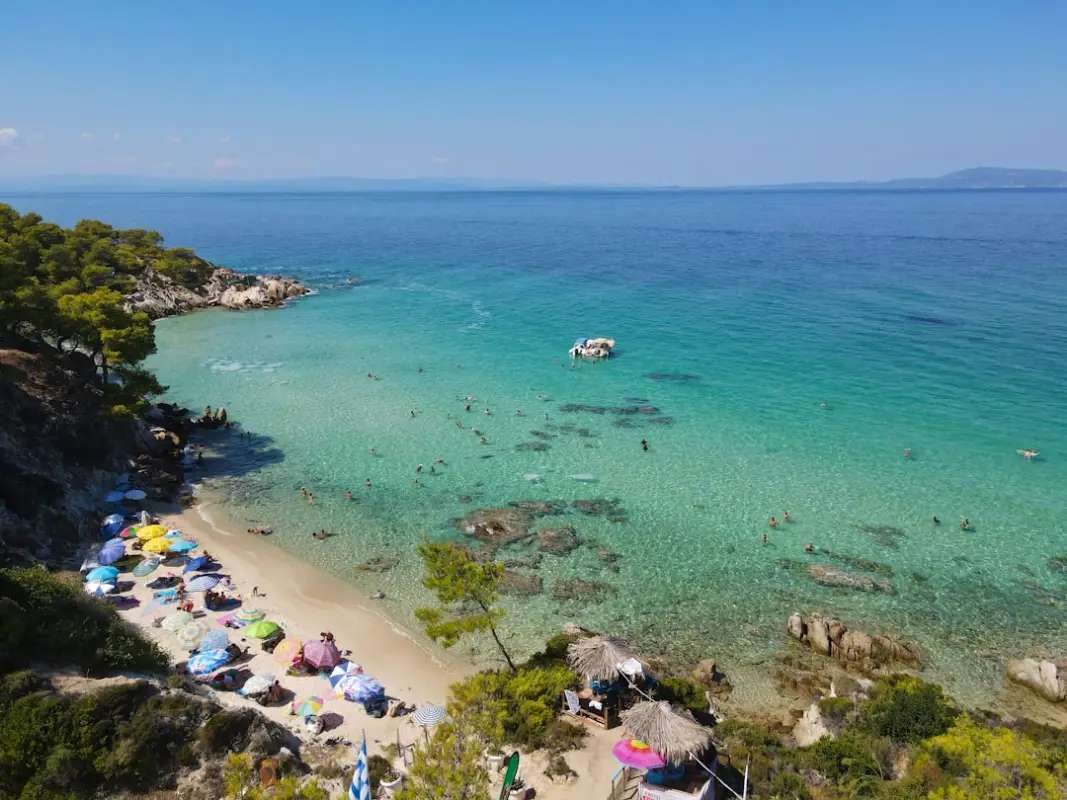
Discovering Kalandra: The Diamond of Halkidiki
The village behind Possidi: village life among the olives, the lighthouse and sand spit a bike ride away, and prices without the seaside premium.
4/14/2026
5 min read
Guides
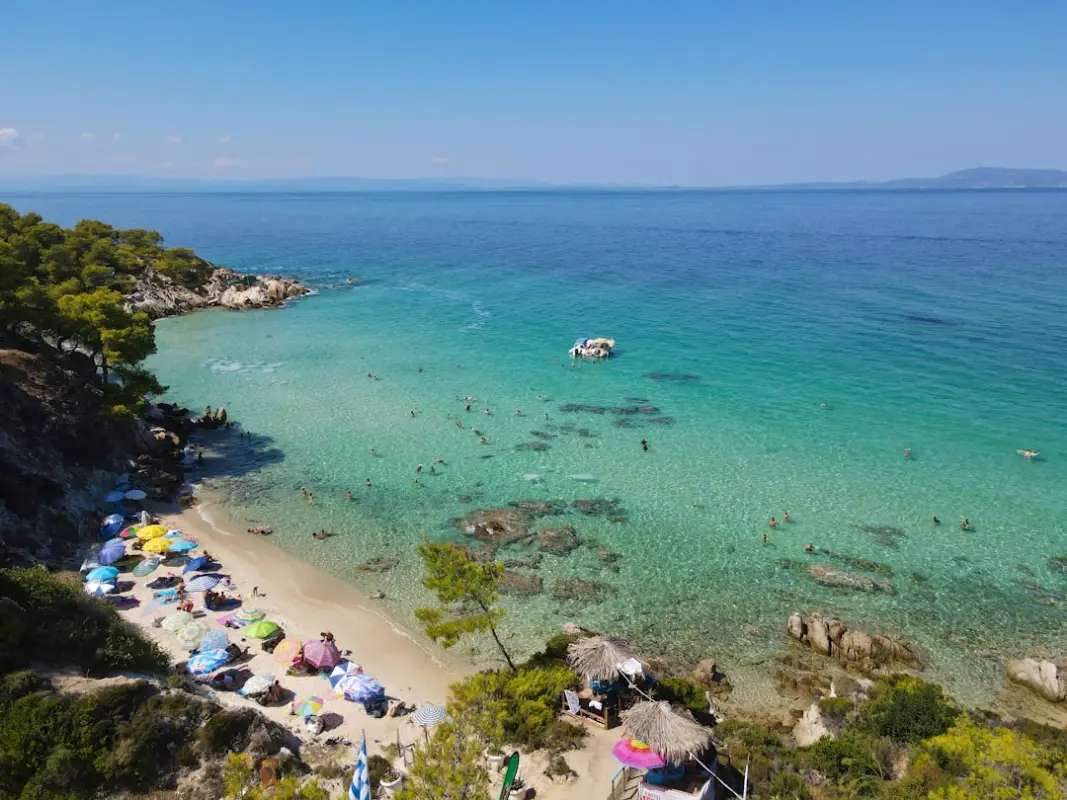
Discover Nikiti: The Enchanting Gem of Halkidiki
Nikiti in Halkidiki is the ideal destination for beaches, gastronomy, and exploration.
4/14/2026
10 min read
Guides
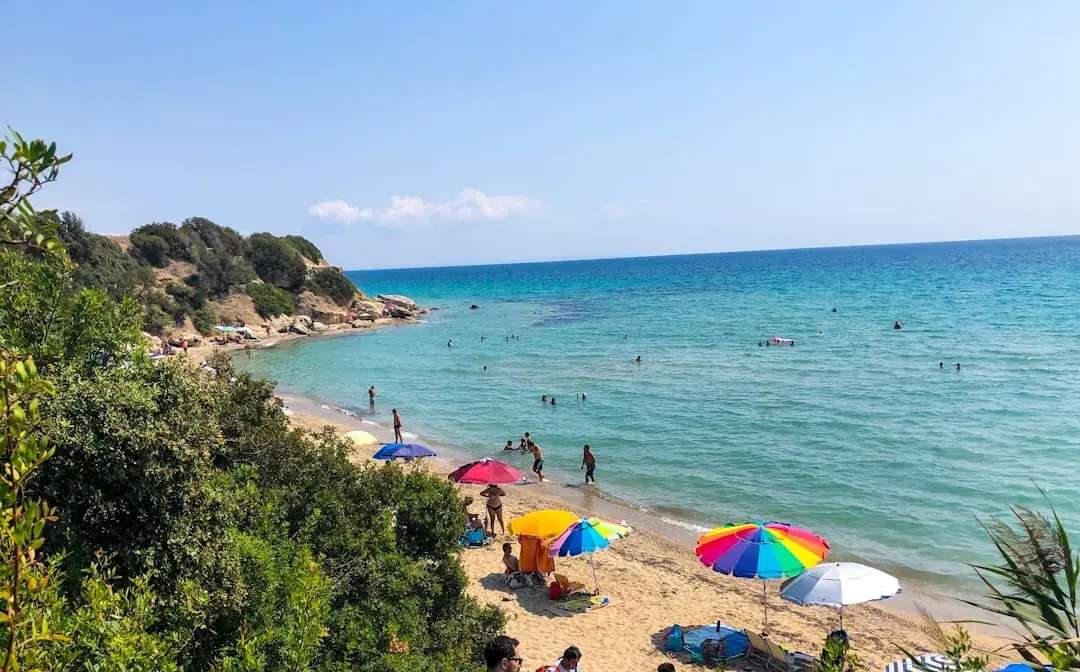
Discover Pyrgadikia: The Hidden Gem of Halkidiki
A fishing village on a small peninsula facing Sithonia one way and Athos the other — a harbour, fish tavernas and the quiet sands of Kampos and Salonikiou.
4/14/2026
5 min read
Guides
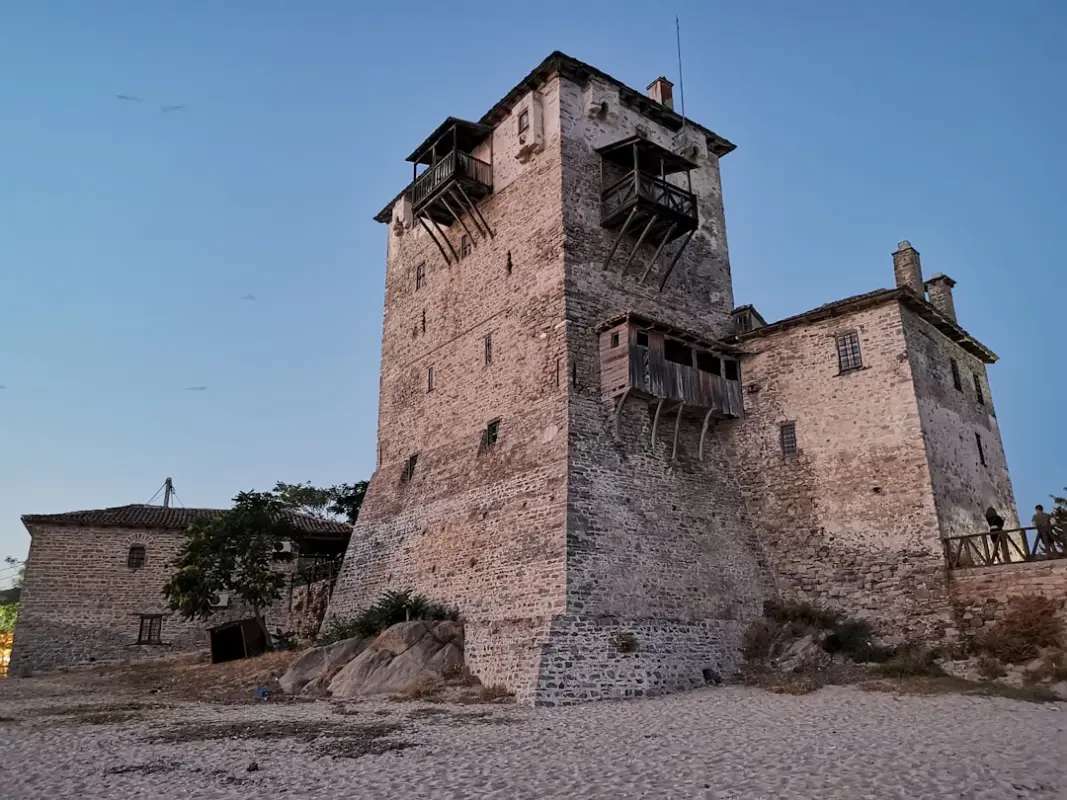
Discovering Sarti: The Diamond of Halkidiki
Sarti sits in the middle of the eastern coast of Sithonia, on the second leg of Halkidiki. It may not be the most famous village in the region — that title might belong to Neos Marmaras or Vourvourou — ...
4/14/2026
5 min read
Guides
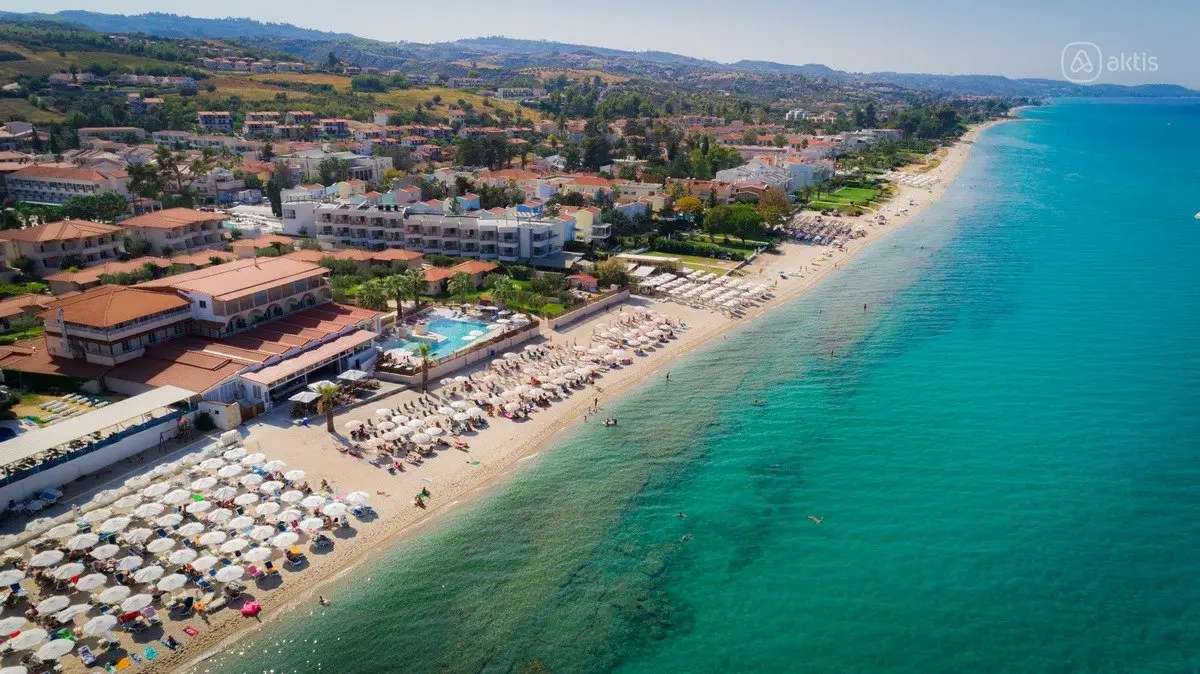
Hanioti: The Ultimate Destination in Halkidiki
Discover the enchanting Hanioti in Halkidiki, with its wonderful beaches and traditional atmosphere.
4/14/2026
7 min read
Guides
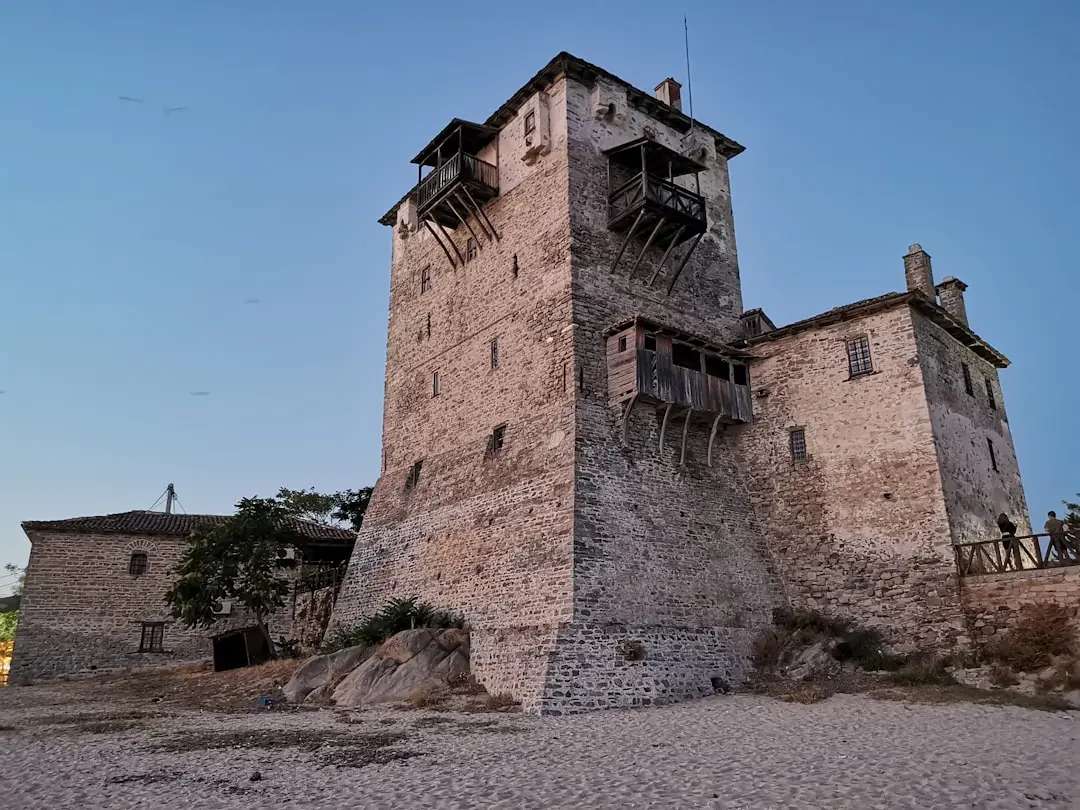
Kallithea: The Ultimate Destination in Halkidiki
Discover Kallithea, a charming village in Halkidiki with beautiful beaches and gastronomic delights.
4/14/2026
9 min read
Guides
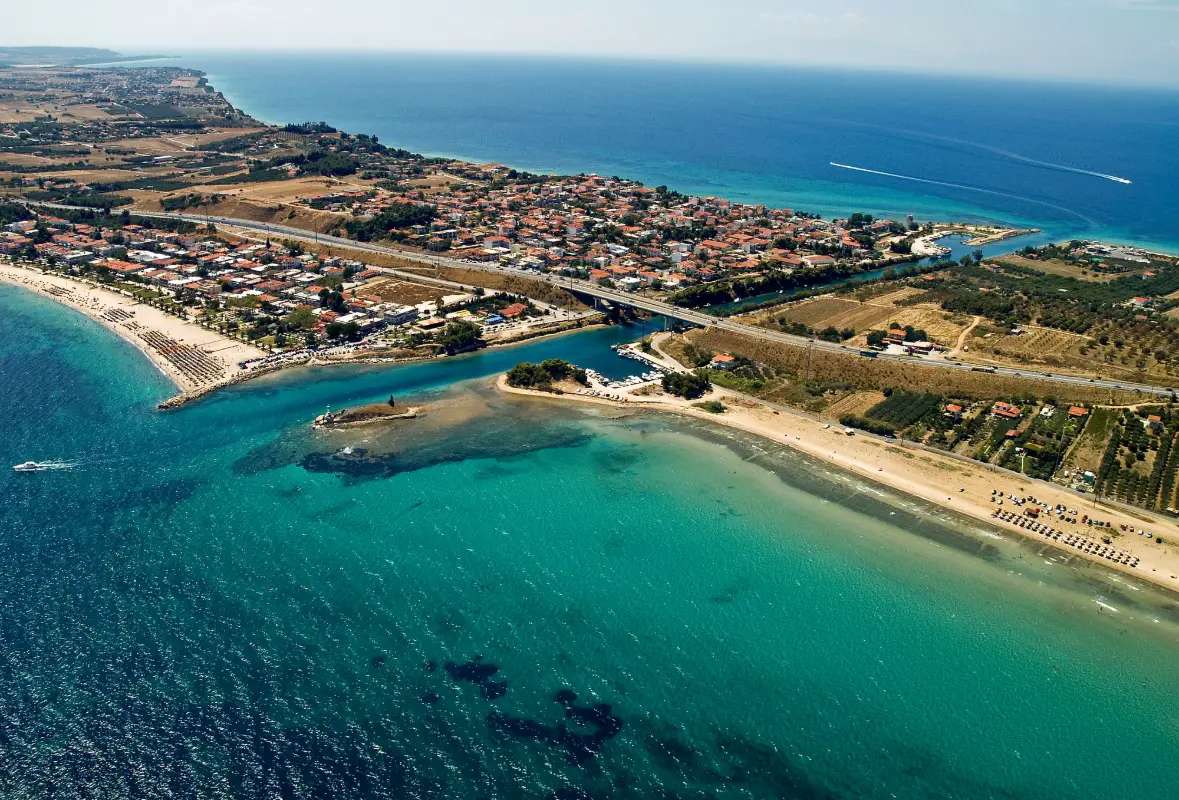
Discover Nea Potidea: A Paradise in Halkidiki
Explore the enchanting Nea Potidea in Halkidiki with its beautiful beaches and rich history.
4/14/2026
8 min read
Food & Drink
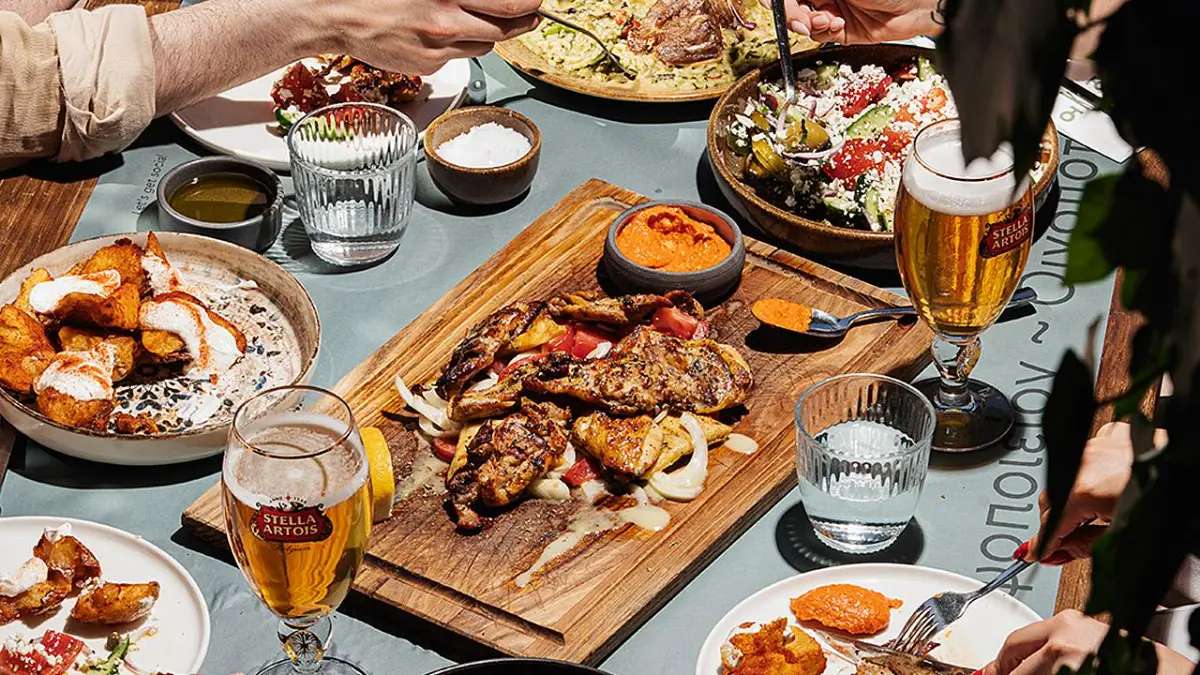
Gastronomic Guide to Kassandra: Flavors of Halkidiki
Where locals eat on Kassandra: fish on the west coast, meze in Afytos, hinterland products — and how to order fish properly.
4/10/2026
6 min read

Food & Drink
The Creator of Dish of the Day from Sykia Halkidiki Who is Conquering Social Media
Eleftheria Kefala from Sykia Halkidiki is the creator of Dish of the Day, a popular cooking page on social media. With simple and traditional recipes, she shares the taste of homemade food daily and showcases the beauty of Halkidiki through her videos.
4/7/2026
5 min read
Culture
BARbatolis - Aretes
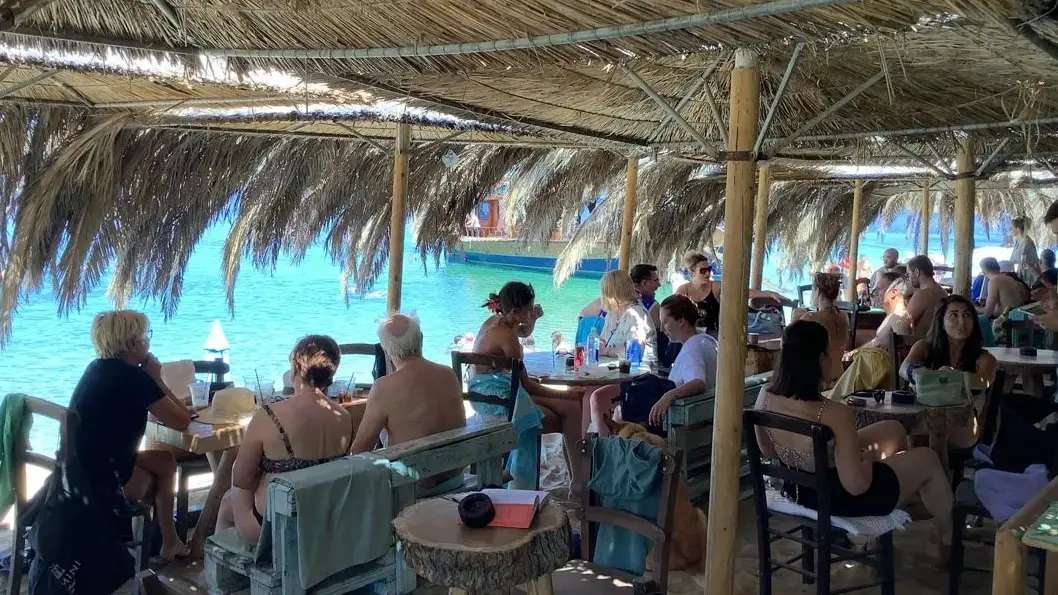
BARbatolis in Sithonia: Where summer smells of sea, tsipouro, and Greek music
4/6/2026
5 min read
Guides
Sykia, Halkidiki: Southern Sithonia’s Authentic Village
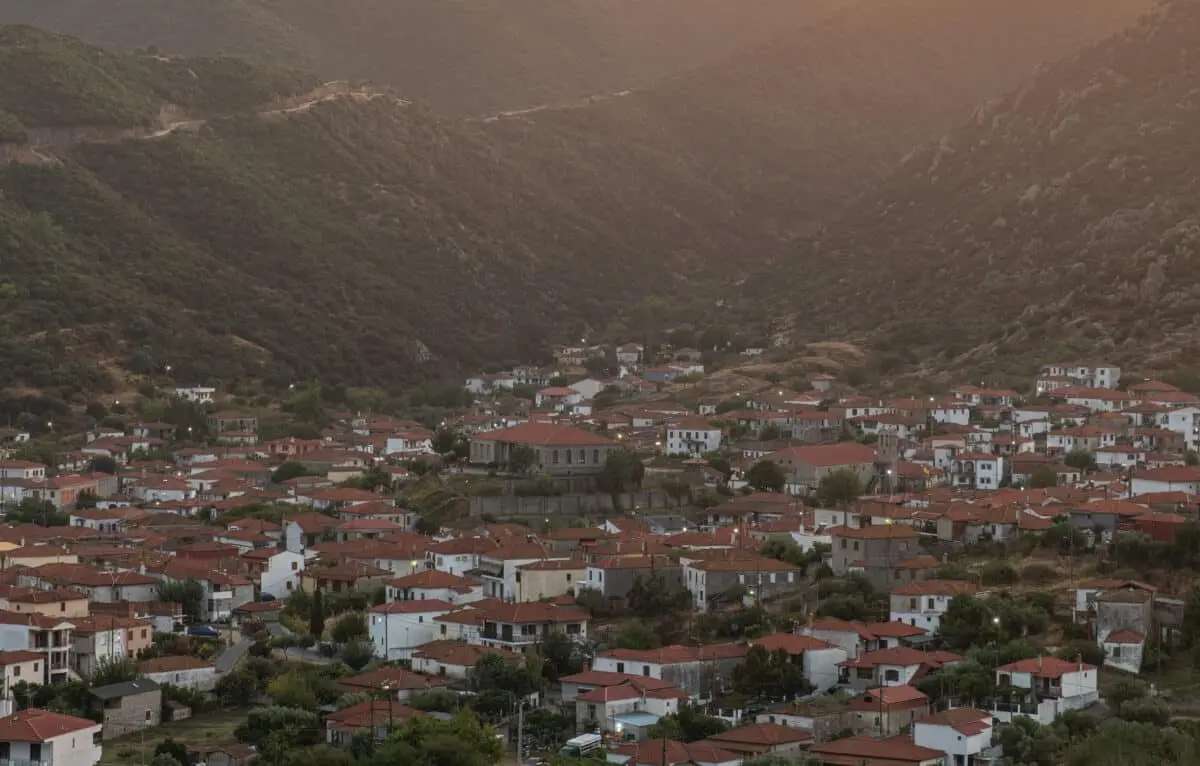
Southern Sithonia’s head village: a real village 1.5 km from its bay and Klimataria beach, between Sarti, Toroni and Kalamitsi.
4/5/2026
5 min read
Beaches
Blue Flags of Halkidiki 2026
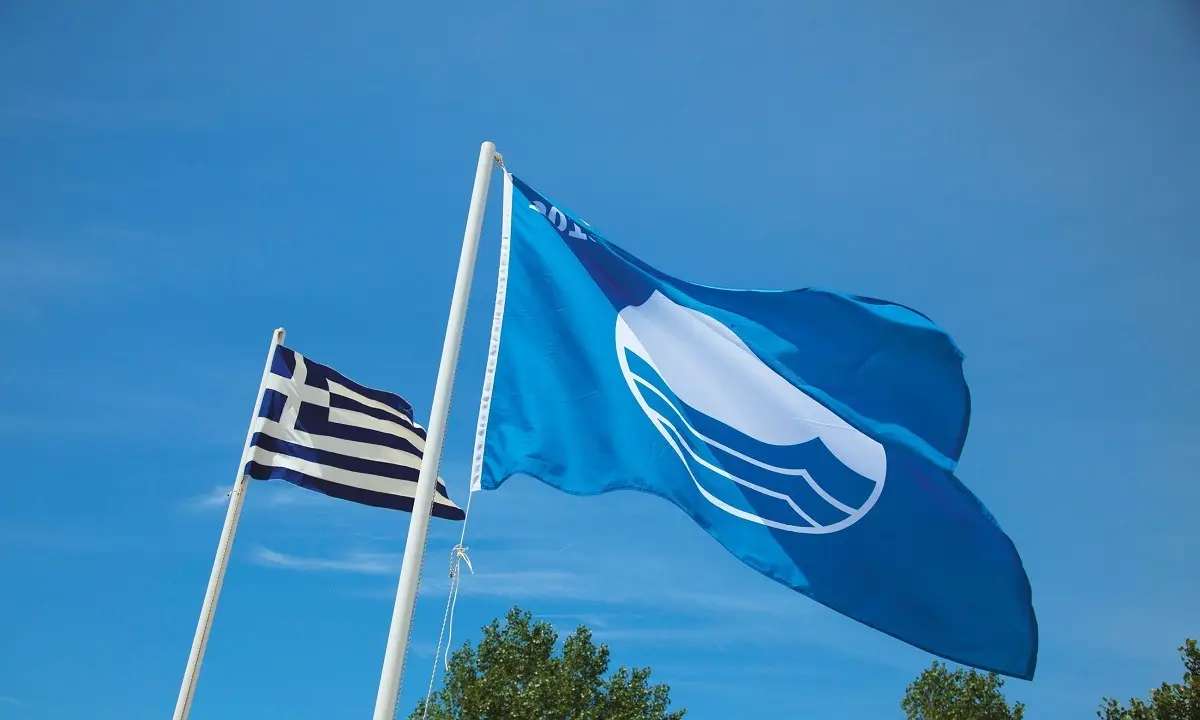
The Blue Flag is an international environmental certification awarded annually by the Foundation for Environmental Education (FEE) to beaches and marinas that meet 33 strict criteria. It does not mean...
4/1/2026
3 min read
Activities
Boat Trips in Halkidiki: Complete Guide
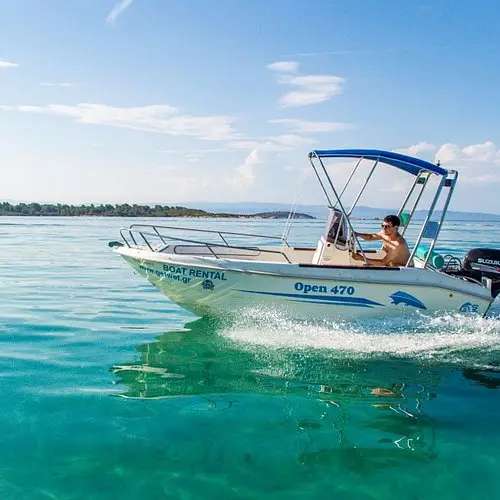
Boat trips in Halkidiki are not an "extra" activity. They are perhaps the only practical way to see the most beautiful beaches and islets that are inaccessible by land. There are four different...
3/30/2026
4 min read
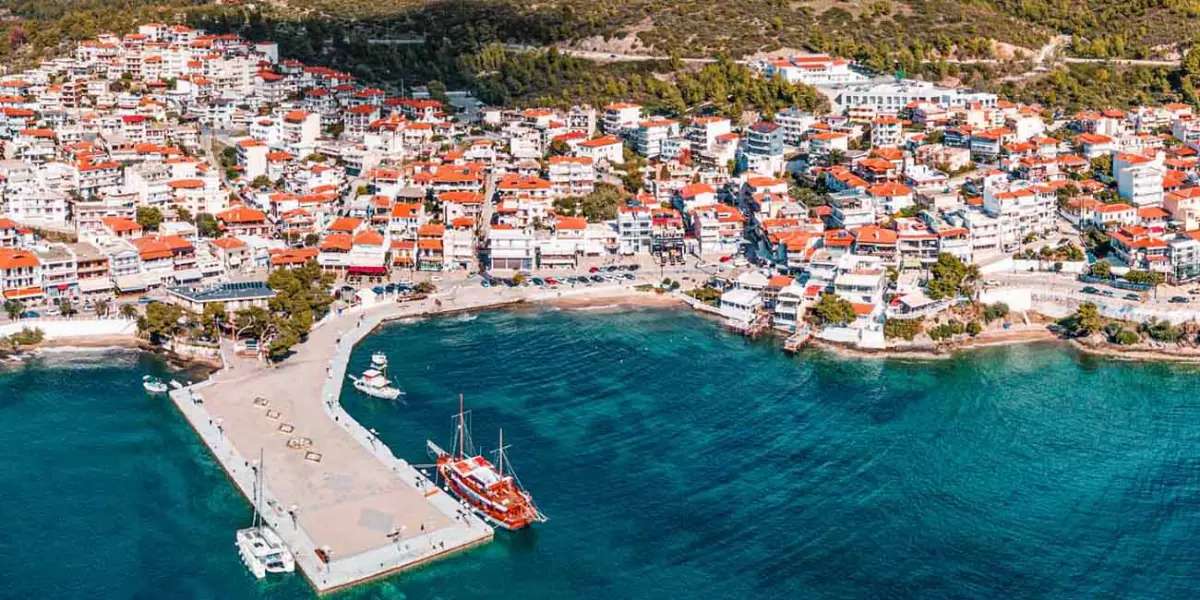
Guides
Neos Marmaras: The Capital of Sithonia
Neos Marmaras is the largest and most bustling village in Sithonia — the "capital" of the second peninsula. With around 3,000 permanent residents and a capacity of over 25,000 people in the summer, it is the...
3/28/2026
5 min read
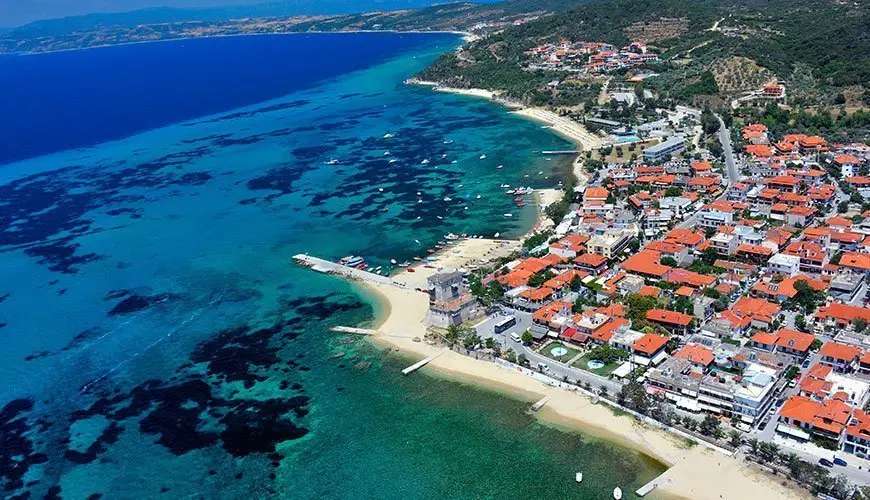
Guides
Uranoupoli: The Gateway to Mount Athos
Uranoupoli is the last "political" village before you reach Mount Athos. From here, ferries depart for Dafni (the official port of the monasteries), accommodation permits are issued at the local office,...
3/22/2026
5 min read
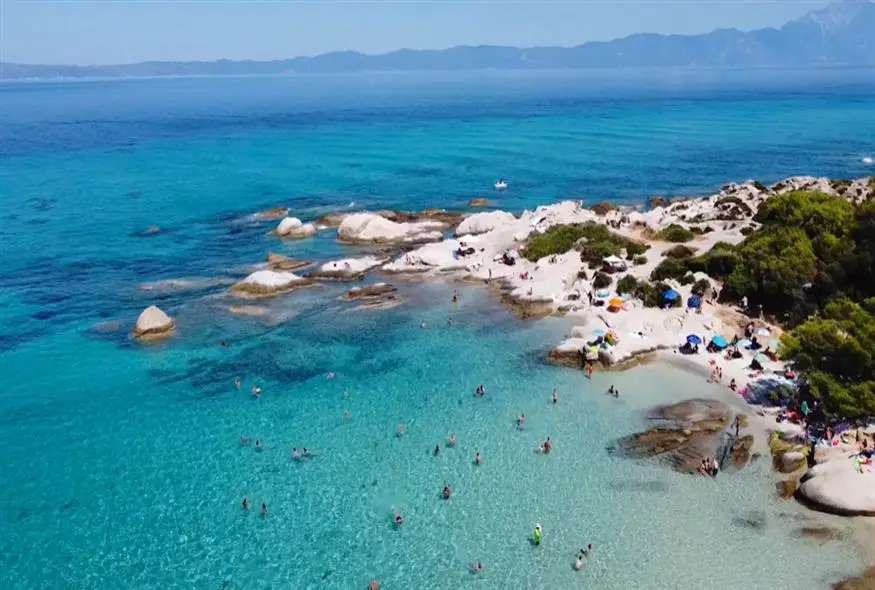
Beaches
Kavourotripes: The Most Exotic Beach of Sithonia
Kavourotripes — also known as Orange — is undoubtedly the most impressive beach of Sithonia and perhaps all of Halkidiki. It is not just a beach but a complex of small coves...
3/20/2026
3 min read
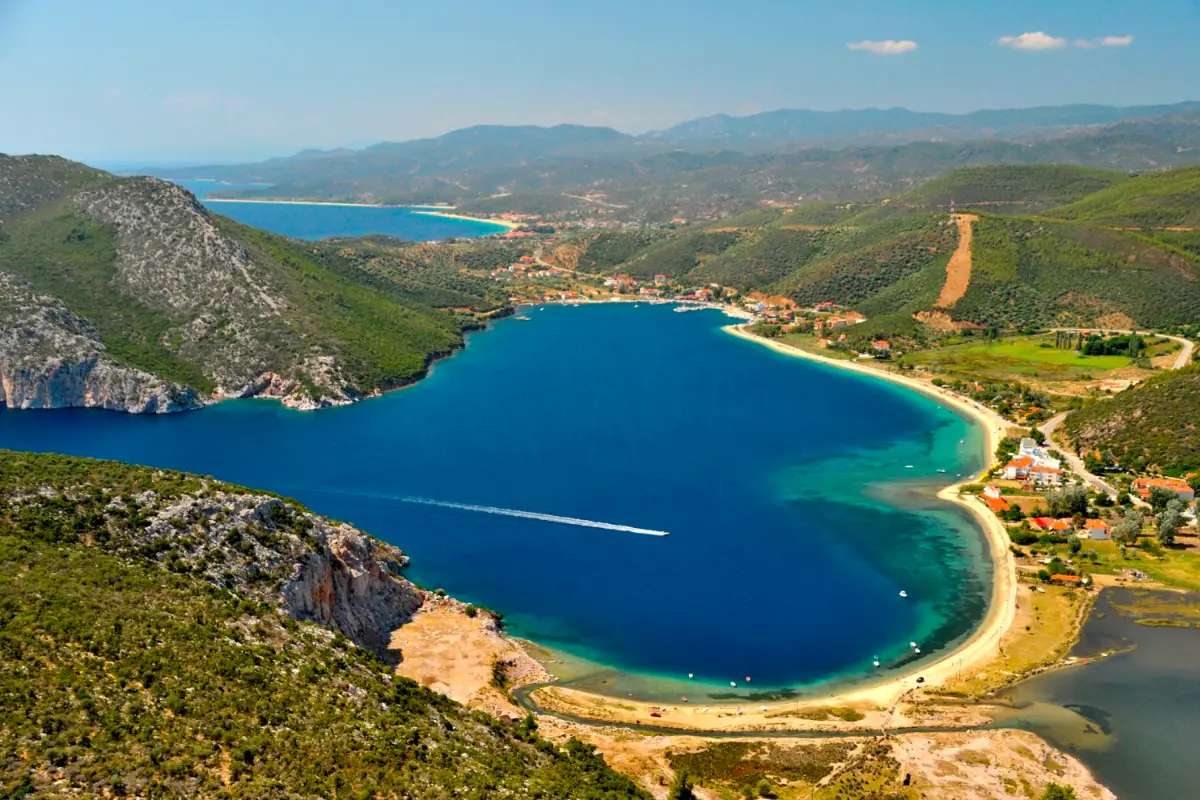
Guides
Porto Koufo: The Hidden Harbor
Porto Koufo is located at the southern tip of Sithonia and is something rare in Greece: a natural harbor almost entirely protected from the sea. The bay has an entrance of just 300 meters — from the outside, it is almost invisible.
3/18/2026
4 min read
Guides
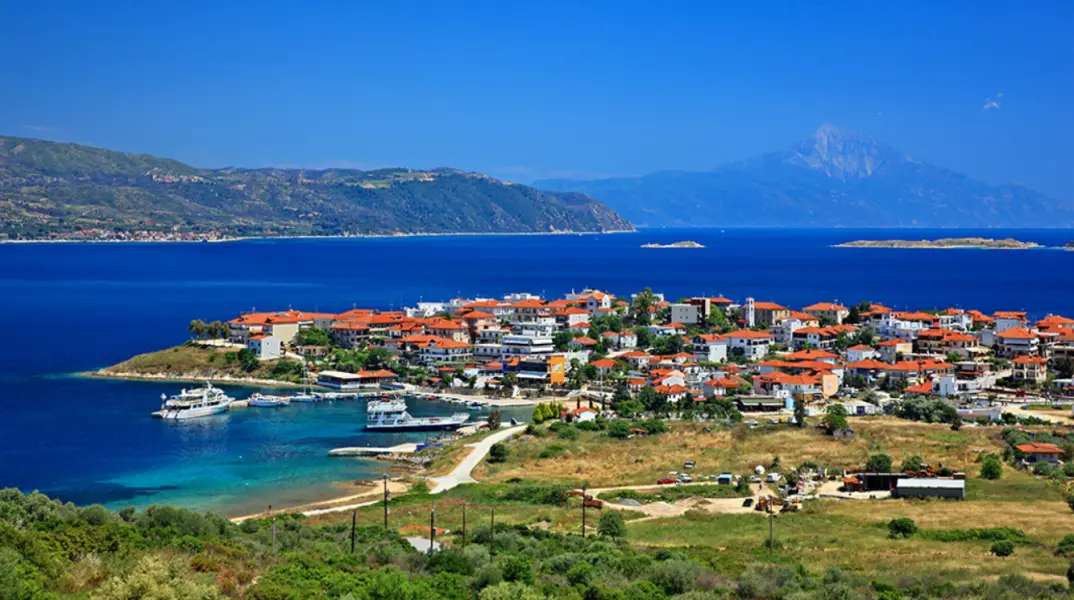
Amouliani: Complete Guide to the Island of Halkidiki
Discover Amouliani, the only inhabited island of Halkidiki. Beaches, tavernas, ferry, and accommodation tips.
3/15/2026
7 min read
Guides
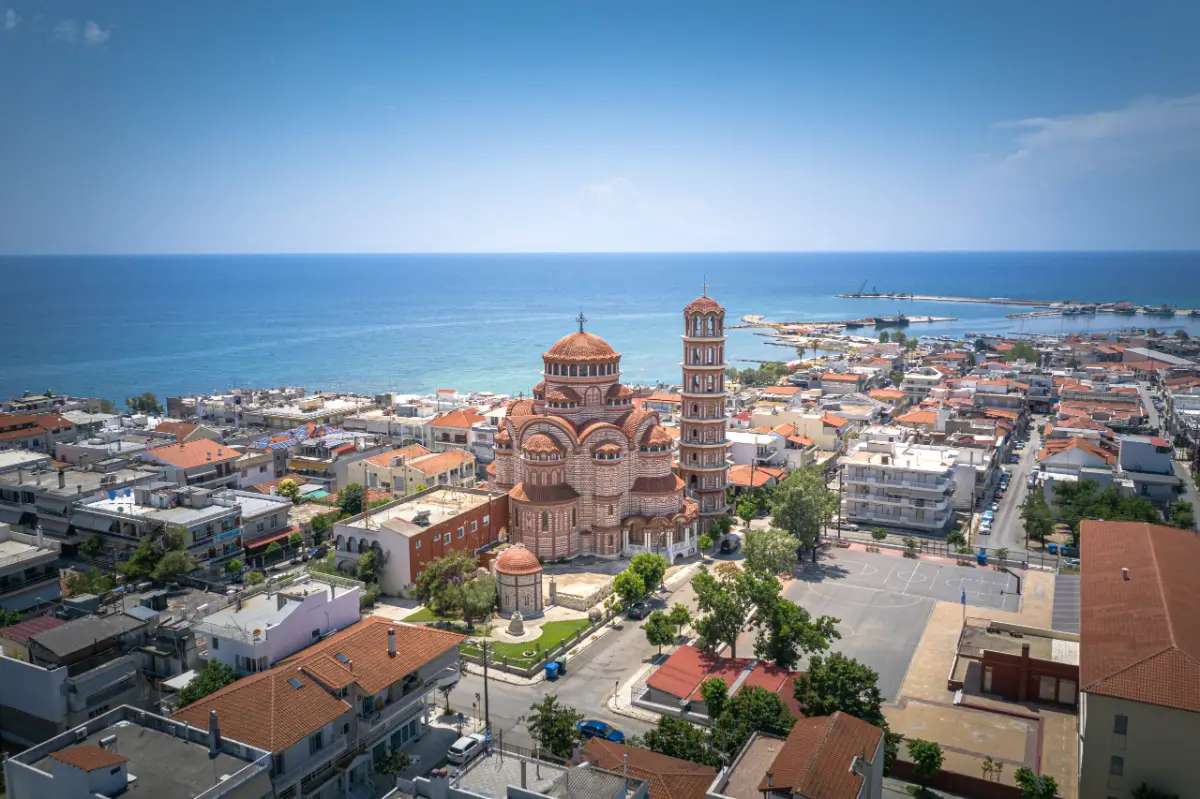
Nea Moudania: The Gateway to Halkidiki
Nea Moudania is the first large village-almost-town you encounter coming from Thessaloniki towards Halkidiki. With about 9,500 permanent residents, it is the largest coastal town in the region, and...
3/12/2026
5 min read
Guides
Afytos: Kassandra’s Most Beautiful Village — The Full Guide
The stone village on the Toroneos bluff: 19th-century mansions, the sunset "balcony", Varkes cove below and Kassandra’s best meze taverns.
3/10/2026
5 min read
Beaches
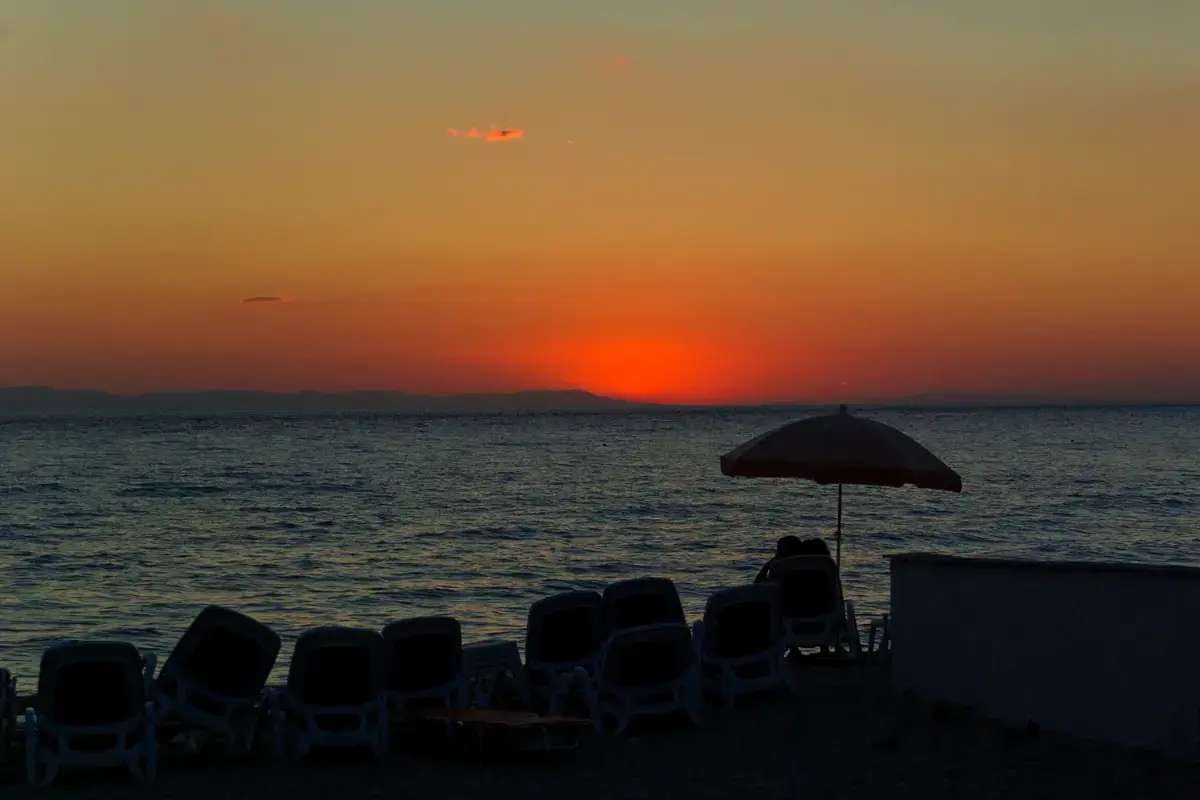
Beaches with the Best Sunsets
Halkidiki has a geographical advantage that makes it stand out for sunsets: its three peninsulas are oriented in such a way that a large part of the western coast faces directly west...
3/8/2026
5 min read
Beaches
Beaches with Shallow Waters in Halkidiki: Ideal for Children
Where the water stays below knee height for 30-100 metres: the best shallow beaches by area, top 3 for toddlers, which to avoid, and practical tips for parents.
3/5/2026
7 min read
Food & Drink
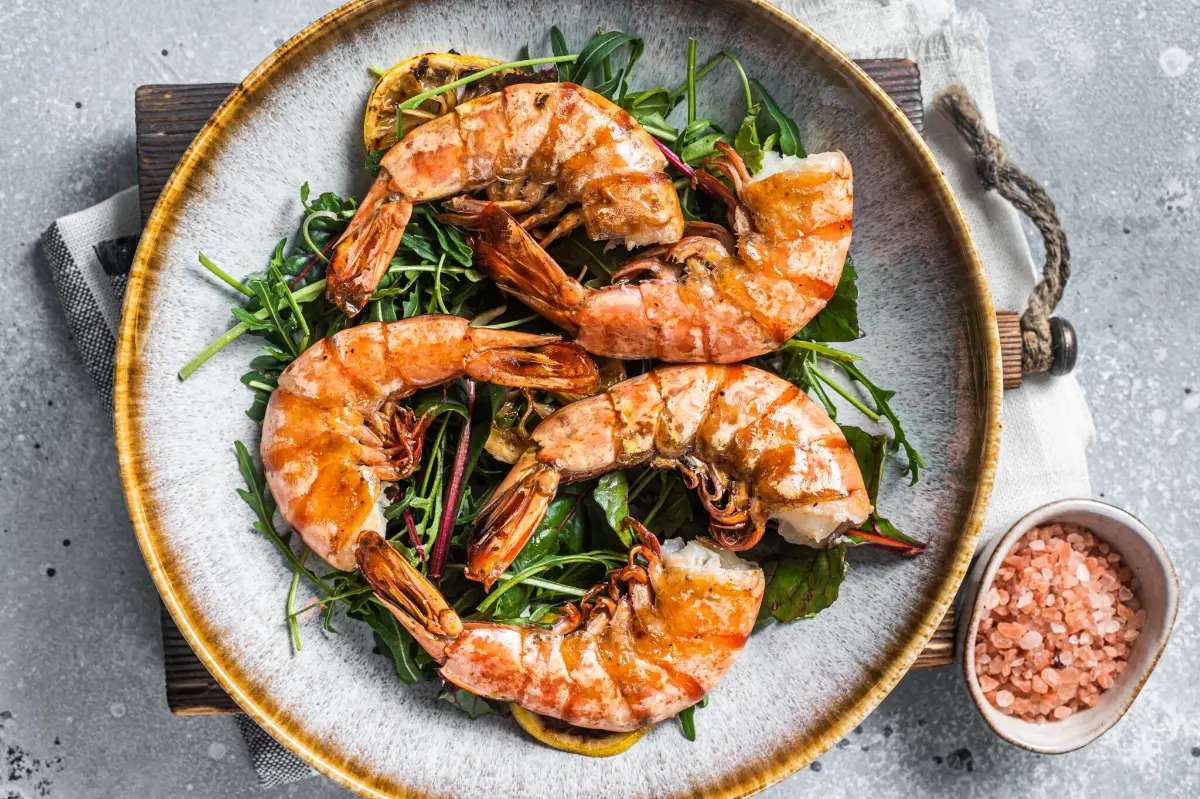
Seafood Guide: What to Order
Halkidiki has three gulfs (Thermaic, Toronean, Singitic) and over 500 km of coastline. This means that throughout the region there is a fishing tradition — from the mussel farms of Ormos Panagias to the tsipouradika of Porto Koufo.
2/28/2026
5 min read
Food & Drink
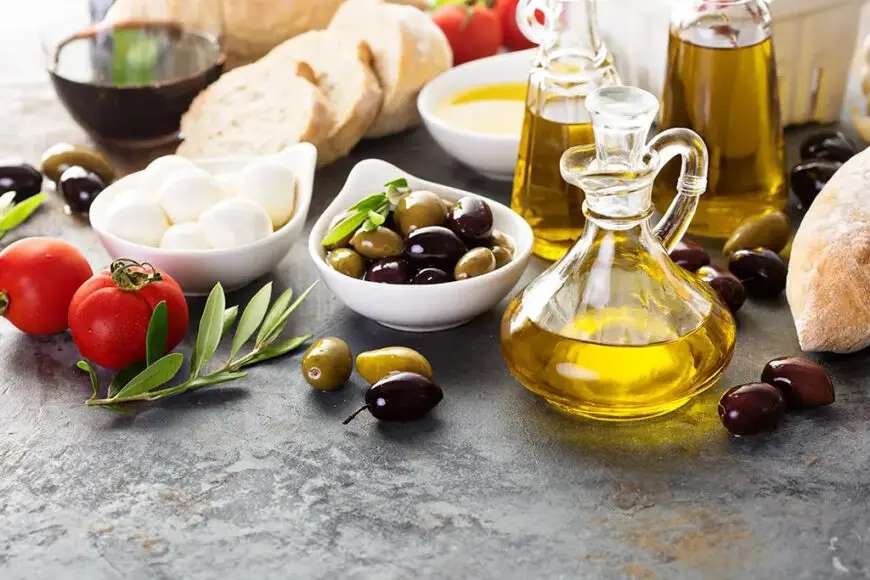
Local Products of Halkidiki: Honey, Olives, Wine
Halkidiki has a remarkable production of local products — some with PDO or PGI certification (Protected Designation of Origin / Geographical Indication). Beyond the beaches and monuments, the gastronomic and agricultural production of the area is an important aspect of its identity.
2/25/2026
4 min read
Food & Drink
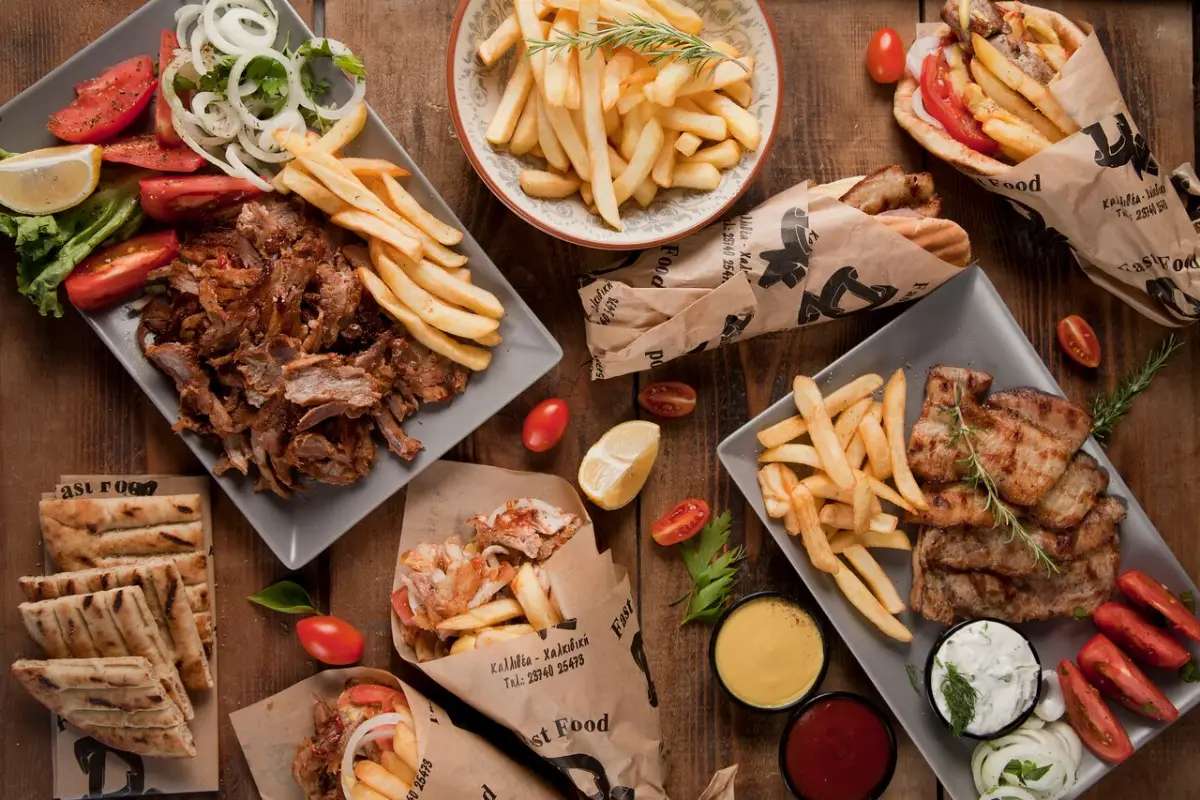
Street Food of Halkidiki: Souvlaki, Gyro, Crepe
Street food in Halkidiki doesn’t have the unique culture that Thessaloniki has with its bougatsa and koulouri. It’s more of a "summer" scene, aimed at those coming from the beach hungry and wanting something quick, cheap, and filling.
2/22/2026
4 min read

Food & Drink
Where to Have Breakfast in Halkidiki
Breakfast in Halkidiki exists in three different worlds: traditional Greek (cheese pie, bougatsa, coffee), hotel brunch (American/European continental), and the new "brunch culture" that is developing in several cafes.
2/20/2026
3 min read
Activities
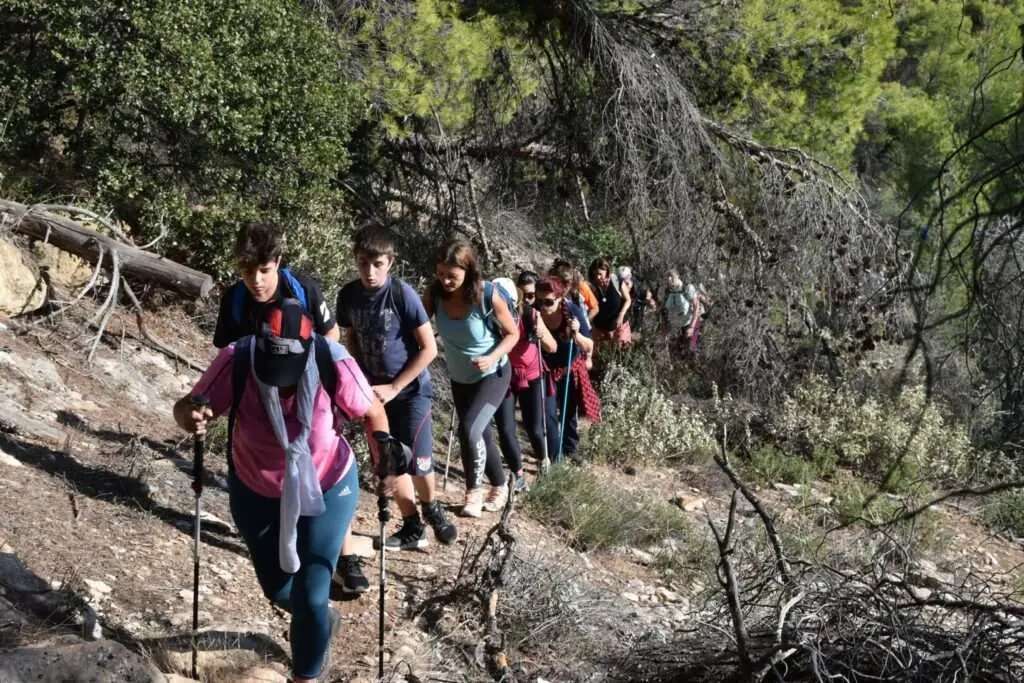
Hiking in Halkidiki: 5 Trails
Halkidiki is famous for its beaches, but behind the coastal scene lies a significant mountain system: Holomontas in central Halkidiki (1,165m highest peak), Itamos in Sithonia (...
2/18/2026
5 min read

Tips
Car Rental in Halkidiki: Tips & Costs
In Halkidiki, a car is not an "extra comfort" — it is practically essential if you want to see more than just one beach or village. There is no reliable transportation between the coastal destinations.
2/12/2026
5 min read

Tips
What to Pack for Halkidiki: The Complete List
Proper packing preparation for Halkidiki depends on the season, the length of your vacation, and your activities. Below is a practical list by category — not "general" like most packing lists, but with specific thoughts for Halkidiki.
2/10/2026
3 min read
Culture
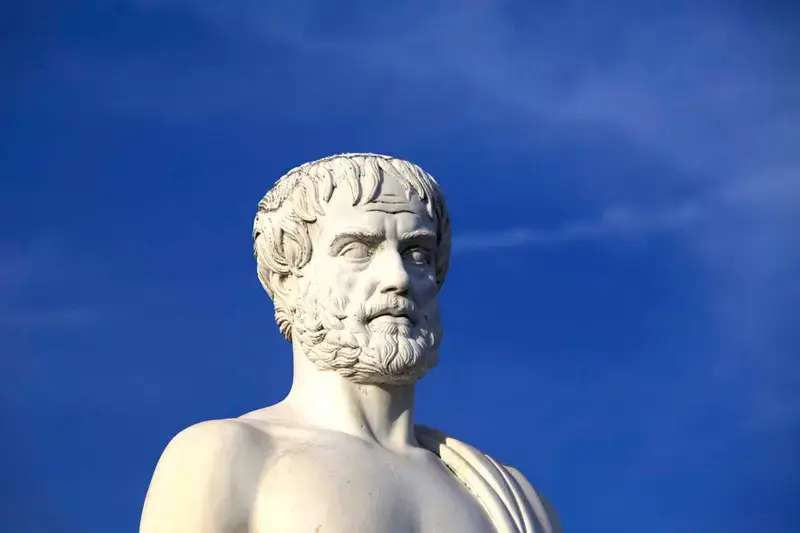
Aristotle and Halkidiki: History and Monuments
Aristotle was born in Halkidiki: ancient Stagira at Olympiada, the Grove with its interactive instruments, and the philosopher’s route in one day.
1/25/2026
6 min read
Culture
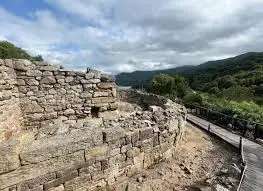
Halkidiki in Greek Mythology
Halkidiki is one of the most "mythologically dense" areas of Greece. Its three peninsulas — Kassandra, Sithonia, Athos — are not named after random geographical events, but from myths...
1/22/2026
5 min read
Culture
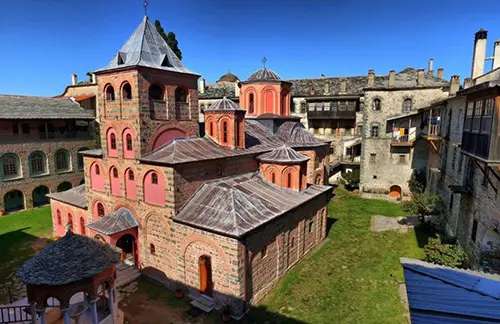
Orthodox Monasteries Outside Mount Athos
Halkidiki has an exceptionally rich Orthodox monastic tradition. Beyond the famous Mount Athos (which is a closed state of 20 monasteries), there are notable monasteries throughout the region — many of which are accessible...
1/20/2026
3 min read
Food & Drink
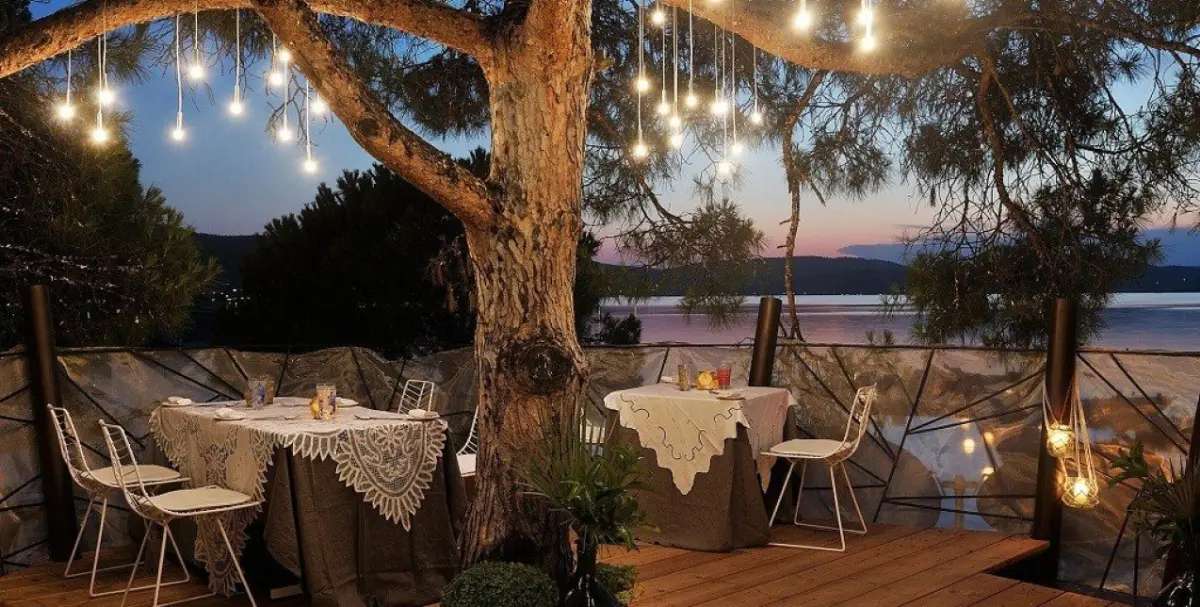
The Best Taverns in Halkidiki
Dining in Halkidiki exists in two worlds: on one hand, the seaside taverns in tourist villages, serving seafood at slightly higher prices, and on the other, the mountain taverns in the interior ...
6/20/2024
4 min read
Guides
Sithonia: The Hidden Gems
Sithonia, the second leg of Halkidiki, has an intriguing geography: it is 50 kilometers long, has 117 kilometers of coastline, and is intersected by a mountain range (Itamos) that hides dozens of coves, beaches without road access, and villages that tourists never reach.
6/1/2024
5 min read
Beaches
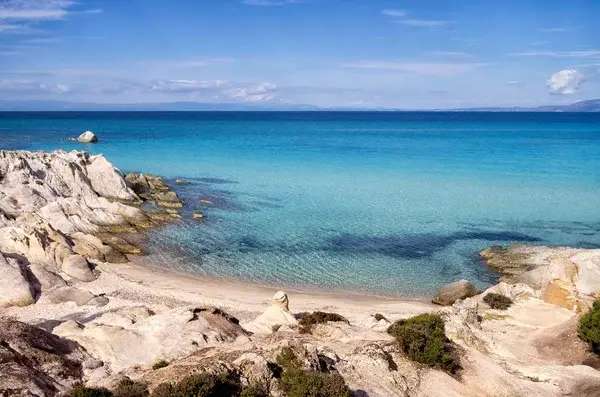
The 10 Best Beaches in Kassandra
Kassandra, the first leg of Halkidiki, boasts over 100 kilometers of coastline and around 50 named beaches. Compared to Sithonia, it is more "organized", easier to explore, and more family-friendly.
5/15/2024
5 min read
Culture
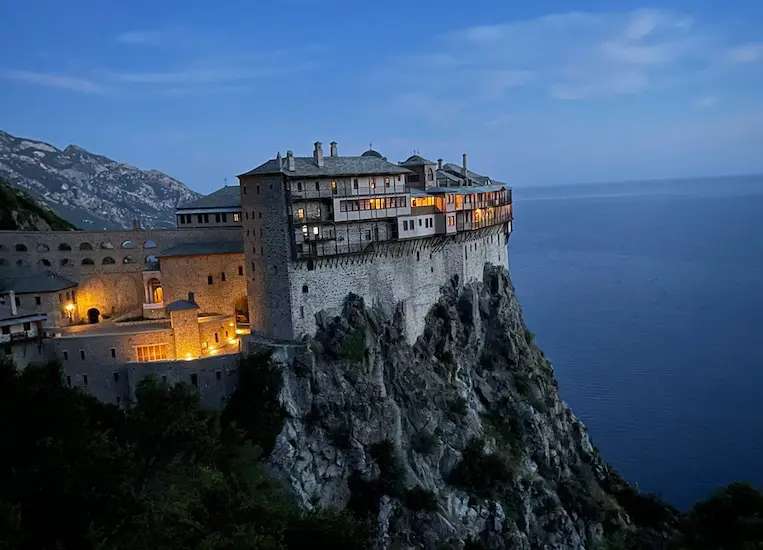
Mount Athos: What You Need to Know
Mount Athos is the third peninsula of Halkidiki and one of the unusual places in Europe: an autonomous monastic state of 335 square kilometers, with 20 active monasteries, about 2,000 monks...
5/1/2024
5 min read
Tips
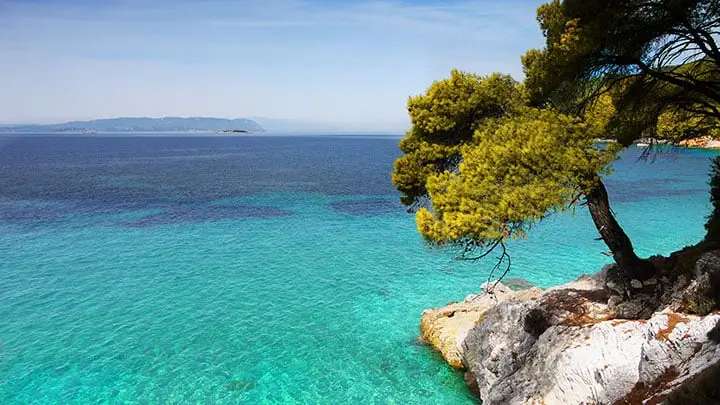
EV Charging Guide in Halkidiki
Halkidiki has significantly improved its electric vehicle charging infrastructure over the past 3 years, but it still lags behind saturated areas like Attica or the greater Thessaloniki region. A...
4/20/2024
4 min read
Tips
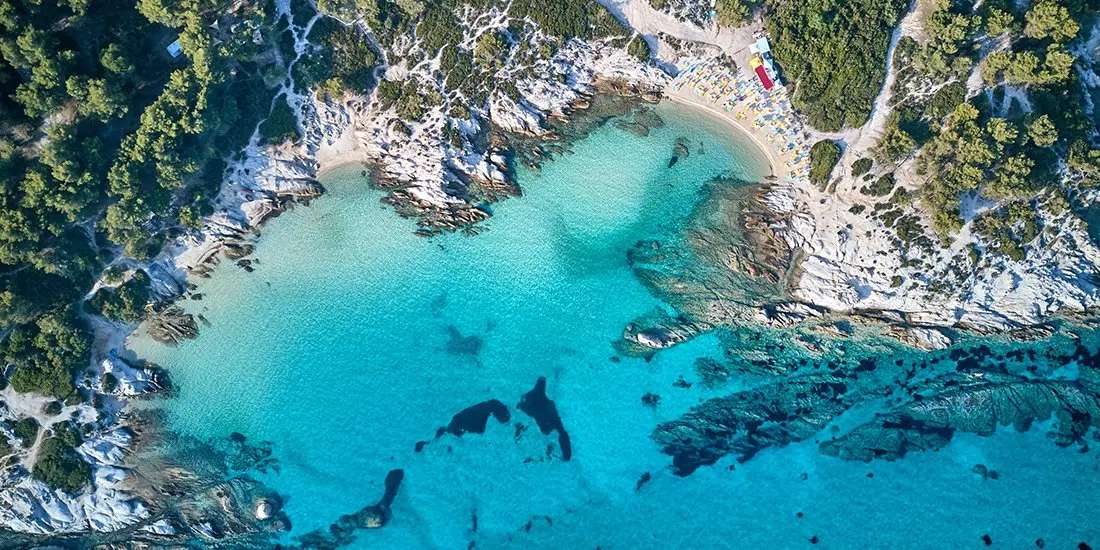
How to Get Around Halkidiki
Halkidiki does not have an airport, it lacks a railway, and public transportation within the region is limited. Almost all organized travel is done by road, leaving you with three real options: rental car, KTEL, and taxi/transfers. Here’s what applies to each, when it fits, and what it really costs.
4/1/2024
4 min read