Sithonia
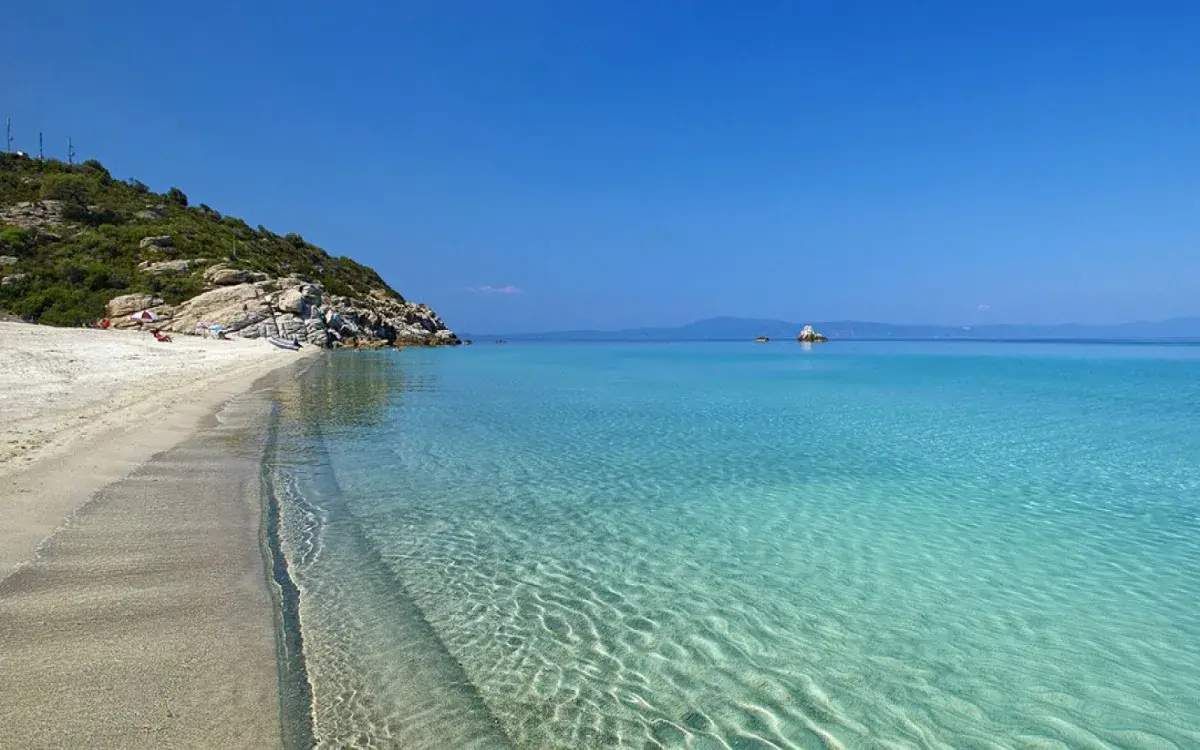
Sithonia is the second and middle peninsula of Halkidiki. With a length of 50 kilometers and a coastline of 117 kilometers, it is the most natural and primordial destination in the region. Its name comes from the ancient Sithon, son of Poseidon and king of the area in Greek mythology.
Geography and Access
Sithonia is more mountainous than Kassandra — the mountain Itamos rises to 811 meters, covered with dense pine forests. This geomorphology creates dozens of secluded coves and hidden beaches accessible by boat or dirt roads. It is located 110-150 km from Thessaloniki, depending on the destination — a 2 to 2.5-hour drive. There are fewer bus routes (KTEL) compared to Kassandra.
Beaches — the Most Beautiful in Halkidiki
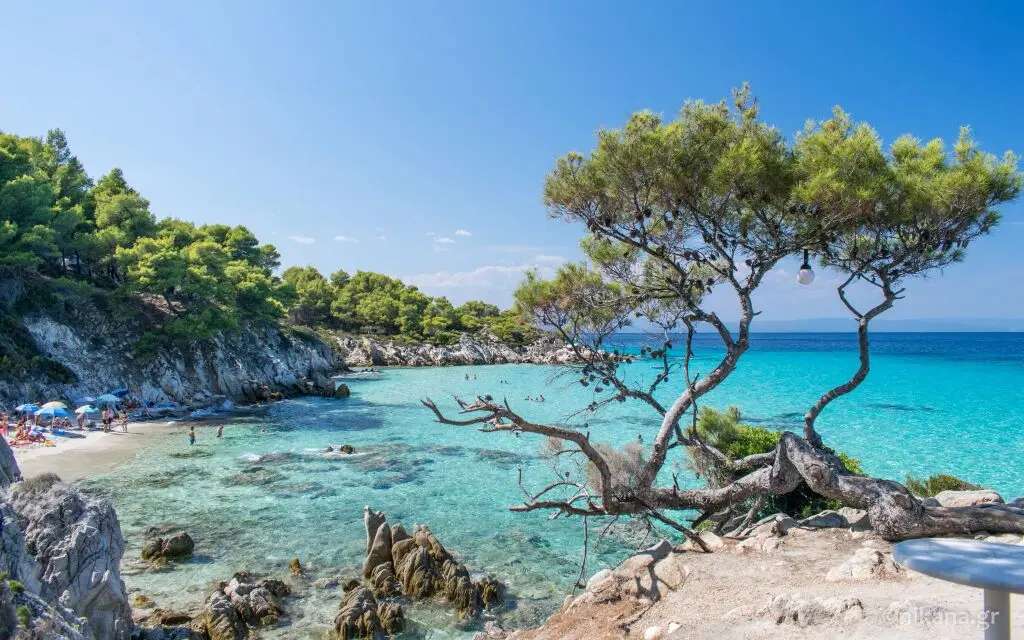
Sithonia undoubtedly has the most impressive beaches in Halkidiki. Karydi in Vourvourou, with its famous turquoise shallow waters and the small island of Kavouro, is the most photographed spot in the area. The Kavourotripes (Portokali) with their white rocks and emerald waters resemble the Caribbean more than mainland Greece. Other notable beaches include: Sarti (over 3 km long, with a view of Athos), Porto Koufo (a natural protected harbor), Kalamiitsi, Armenistis, and Platanitsi.
Diaporos Islands
To the north of Sithonia lies a cluster of 9 small uninhabited islands — the Diaporos. With crystal-clear waters and hidden beaches, they are the top destination for boat trips from Vourvourou, Sarti, or Ormos Panagias. Full-day cruises (30-45 euros per person) with 3-4 swimming stops are one of the must-do experiences in Halkidiki.
Villages and Towns
Neos Marmaras is the largest tourist center in Sithonia, with complete infrastructure, a marina, and the neighboring Porto Carras — one of the largest hotel complexes in Northern Greece, featuring a casino, golf course, and winery. Nikiti retains the character of a traditional village. Sarti on the eastern coast is a popular base for beaches like Kavourotripes and Karydi. At an altitude of 380 meters, Parthenon offers panoramic sunsets over Athos.
Character
Sithonia is more "wild" and less commercialized than Kassandra. There are fewer large resorts, more small family-run accommodations, and more opportunities for snorkeling and exploration. Prices are slightly higher in certain areas due to demand (Vourvourou, Sarti), but there are also affordable options (Syki, Kalamiitsi).
Ideal For
•
Couples looking for a romantic yet "untouched" destination
•
Snorkeling and marine life enthusiasts
•
Landscape photographers
•
Families with older children who appreciate nature
•
Repeat visitors to Halkidiki seeking a different experience
Best Time
Like all of Halkidiki: June or September for the best combination of warm sea and fewer crowds. In Sithonia, September is particularly lovely for boat trips to Diaporos — fewer people on the boats and beaches.
Sithonia — Overview
Sithonia is the middle "leg" of Halkidiki and the most natural of the three peninsulas. Pine-covered slopes run down to the sea, forming dozens of hidden coves with turquoise water. Some of Greece's most photographed beaches are here — Karydi, Kavourotrypes (Orange Beach), Vourvourou and Sarti. The mood is calmer and closer to nature, with a strong camping tradition, while Nikiti and Sarti still offer bars, tavernas and a bit of life. It is ideal for couples, nature lovers and families after exotic scenery. Below you will find the villages, beaches, restaurants and places to stay across Sithonia.
Villages & Settlements(15)
Nikiti
1.500
Neos Marmaras
1.500
Sarti
800
Sykia
1.200
Metamorfosi
800
Agios Nikolaos
1.500
Pyrgadikia
800
Ormos Panagias
500
Vourvourou
800
Elia
500
Parthenonas
500
Platanitsi
500
Kalamitsi
500
Porto Koufo
500
Toroni
600
No results found
Halkidiki Beaches
All beaches →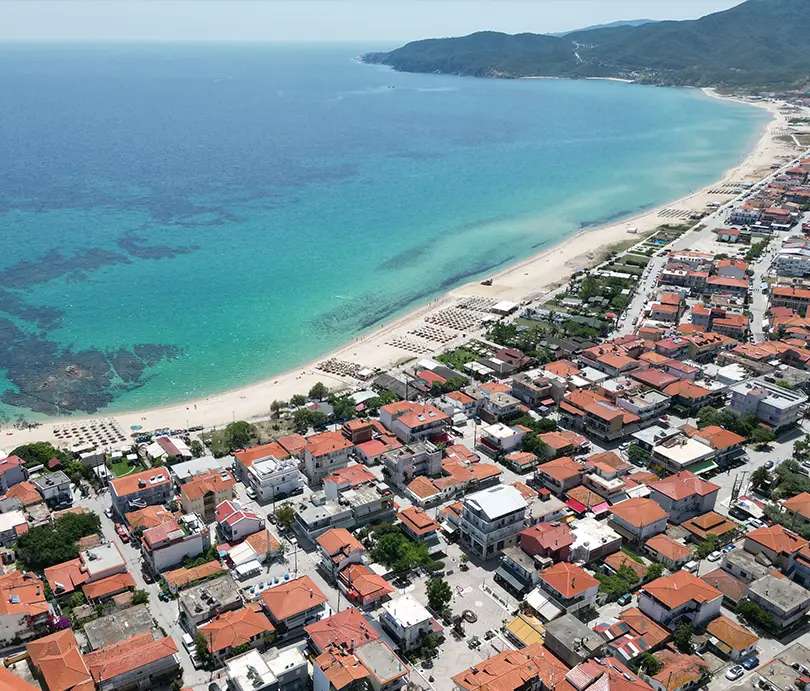
0.0
Sarti
Σάρτη, Σιθωνία
SandyOrganizedFree+7
5.0
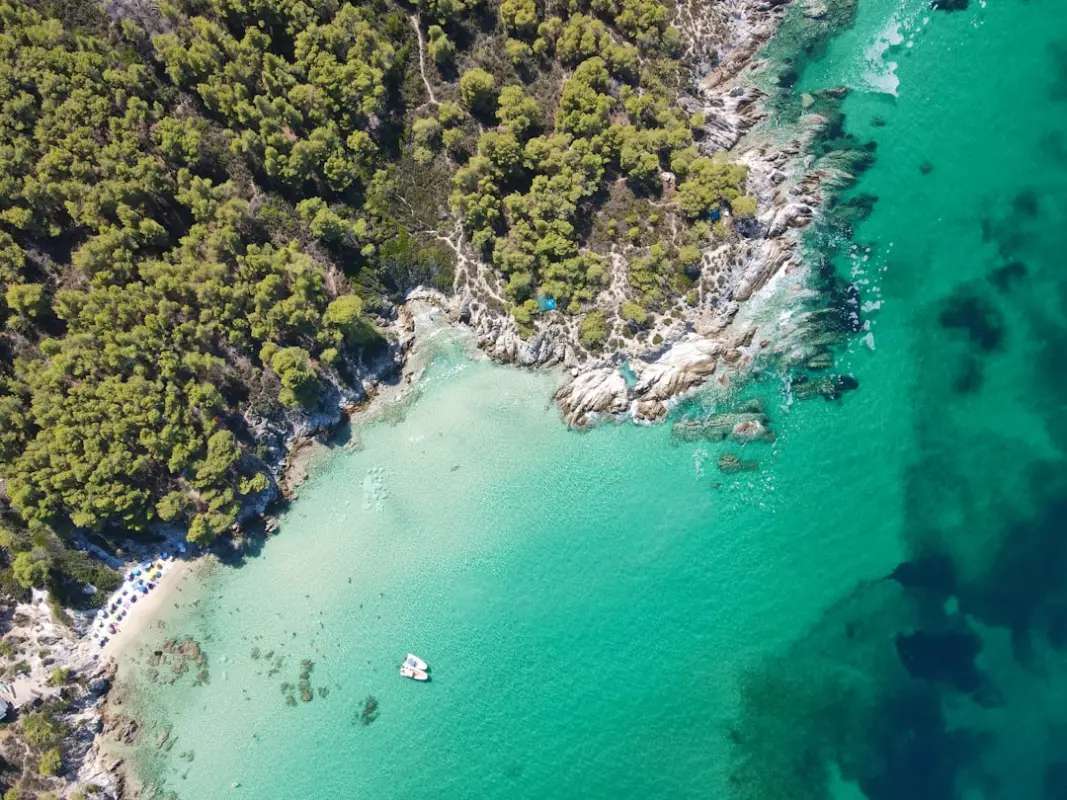
Platanitsi Nudist Beach
Παραλία Γυμνιστών Πλατανίτσι, Σιθωνία
FreeNudist
5.0
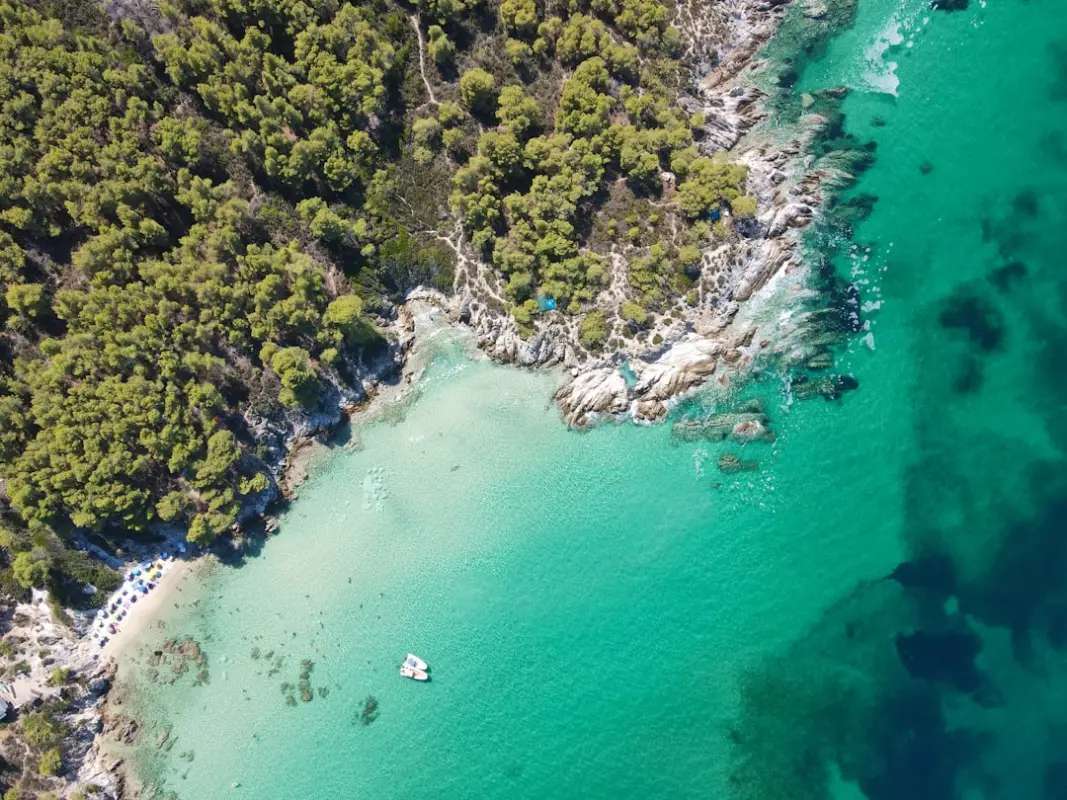
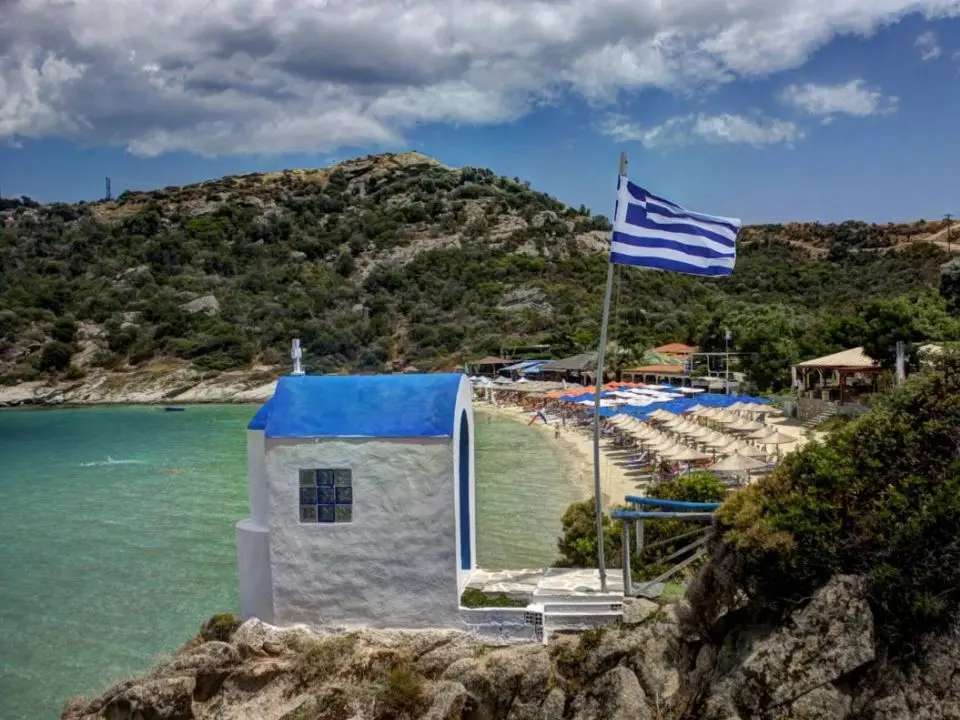
Aretes Beach
Παραλία Αρετές, Σιθωνία
SandyFree
4.7
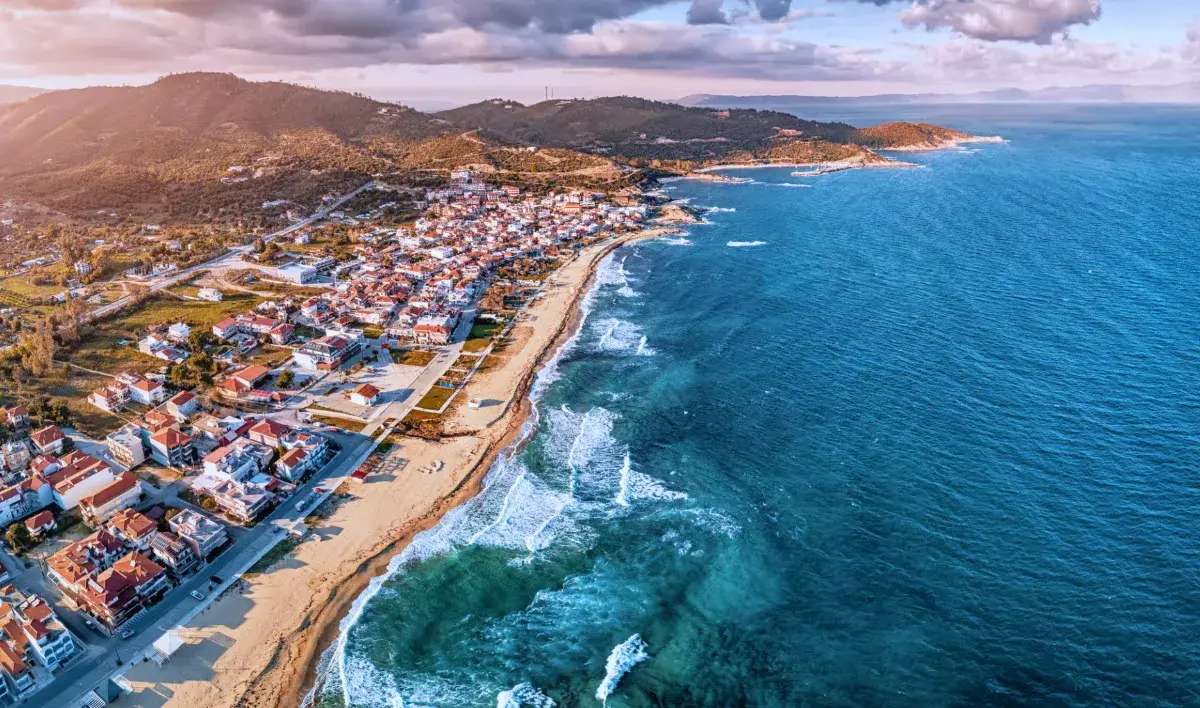
Klimataria Beach
Συκια
SandyOrganizedFree+4
4.3
Karydi
Βουρβουρού, Σιθωνία
SandyFreeShallow water+1
4.0
Portokali
Σάρτη, Σιθωνία
SandyPebbleFree+1
Attractions & Activities
All activities →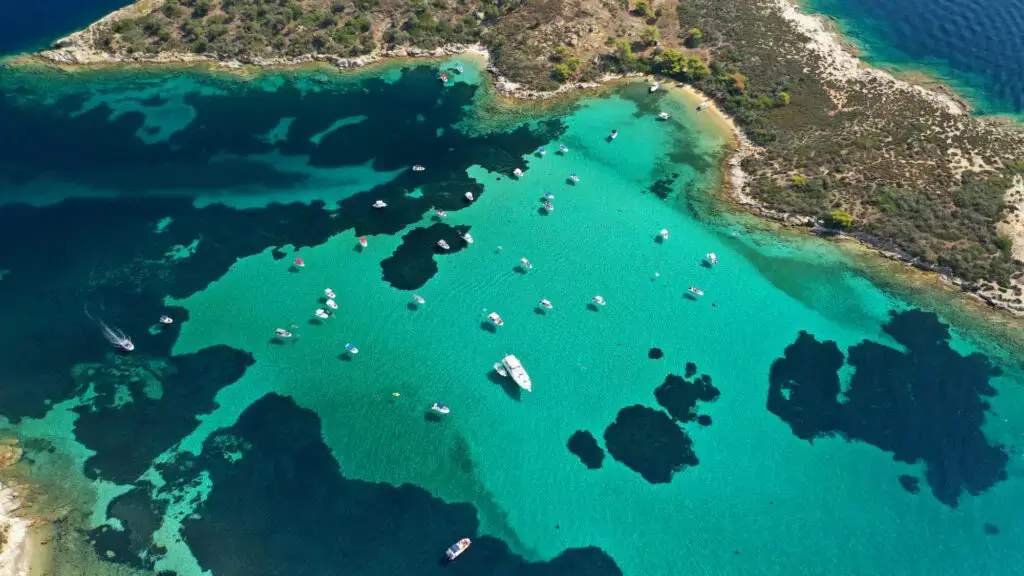
Boat trips
0.0
Boat Trip to Diaporos
Βουρβουρού, Σιθωνία
€30-50
4-6h
Historical
0.0
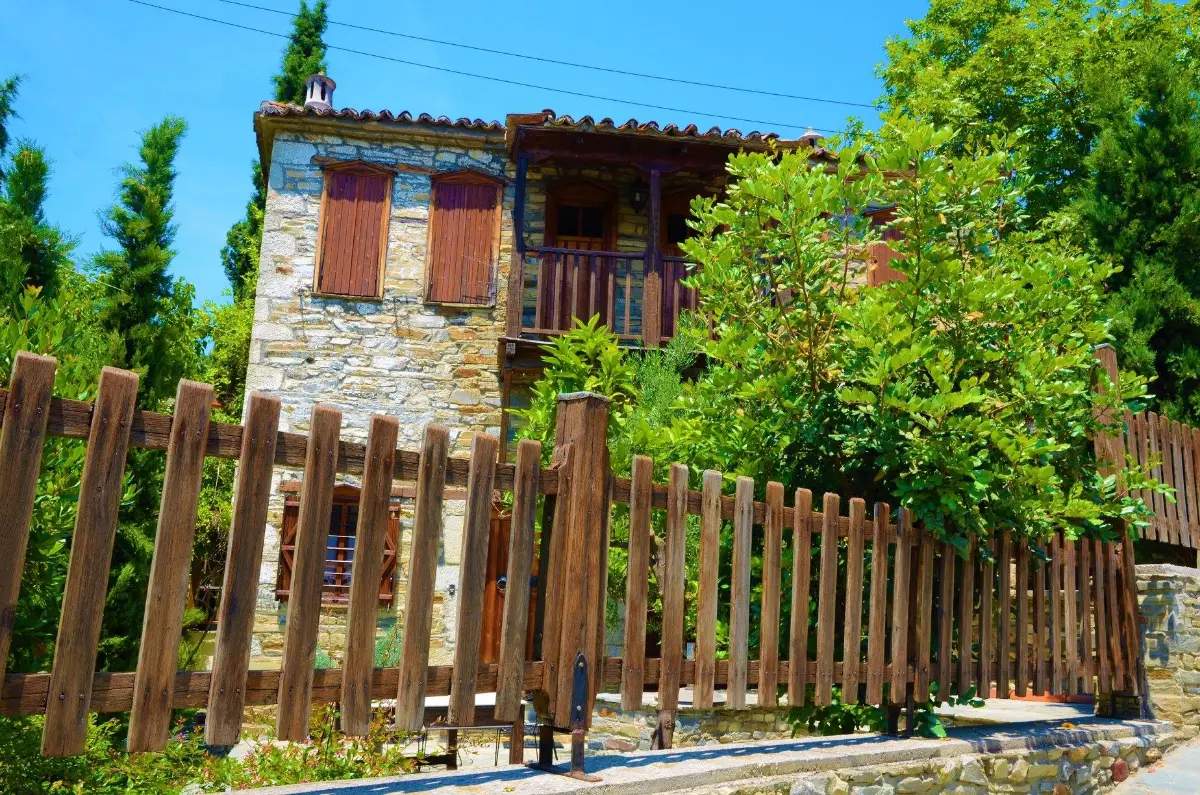
Stroll in Old Nikiti
Νικήτη, Σιθωνία
Free
1-2h
Water sports
0.0
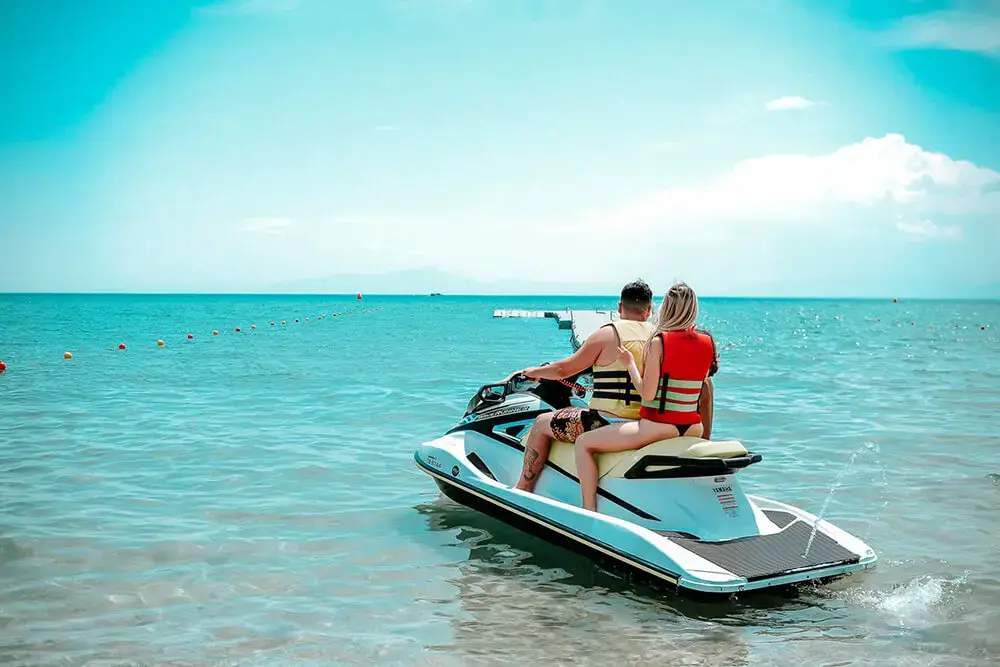
Jet Ski in Sithonia
Σάρτη / Βουρβουρού, Σιθωνία
€40-70/30min
30min-2h
Nature
5.0
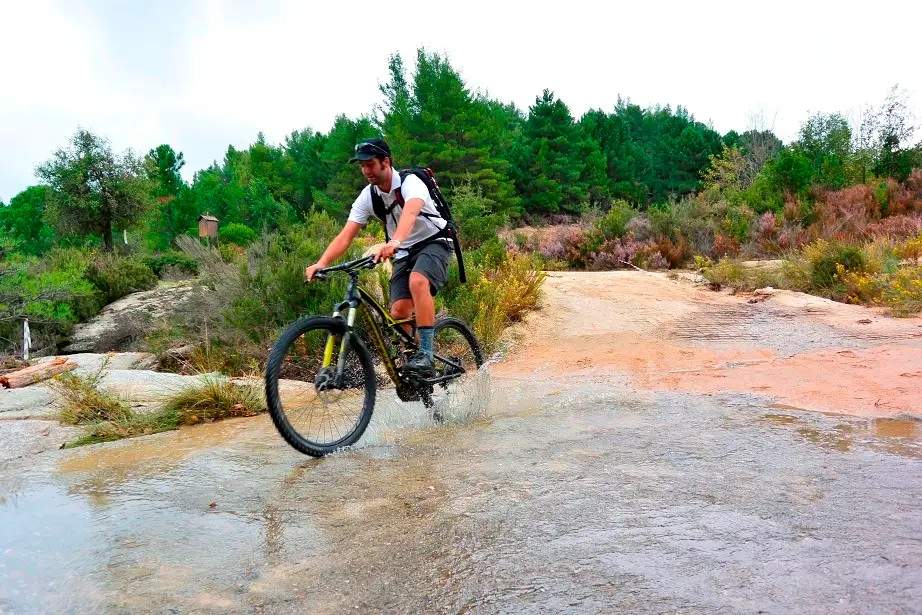
Cycling Route of Sithonia
Sithonia, Halkidiki
10-20€
Half day
Boat trips
4.9
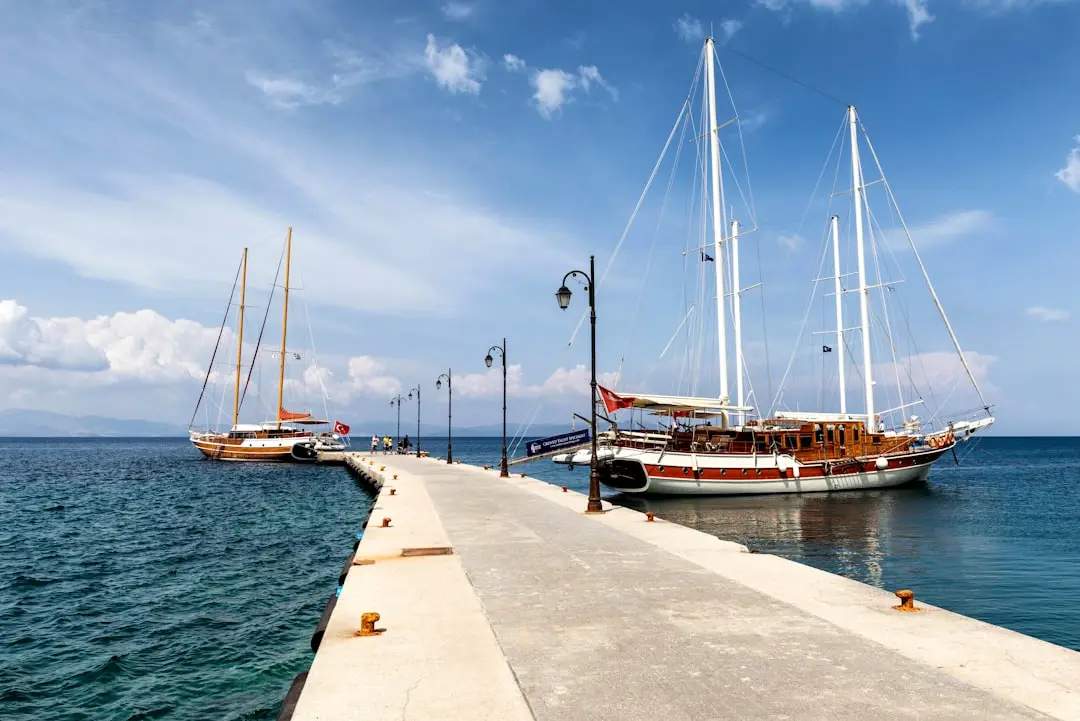
Sailing in Neos Marmaras
Neos Marmaras, Halkidiki
From 50€/person
Full day
Religious
4.9
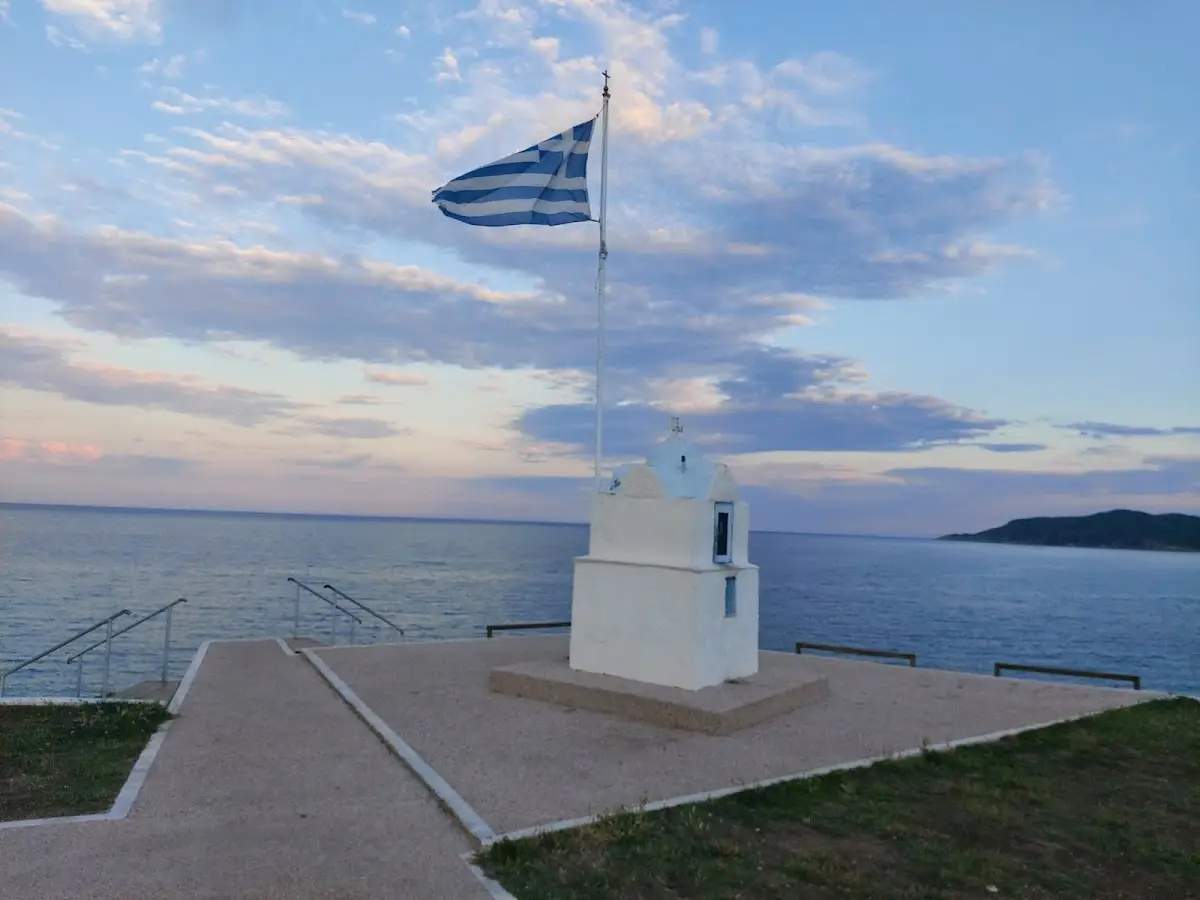
Church of Agios Antonios
Sarti
Food & Drink
All restaurants →
traditional
5.0
Fruit Decor
Toroni
traditional
€ Budget
grill
5.0
The Center Fast Food
Sykia
grillstreetFood
€ Budget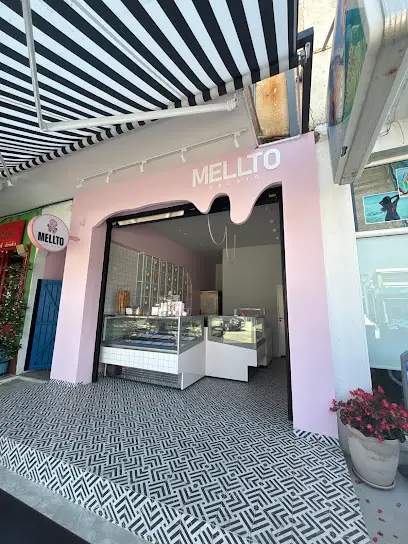
ice-cream
5.0
Mellto Gelato
Sarti
ice-cream
€€ Moderate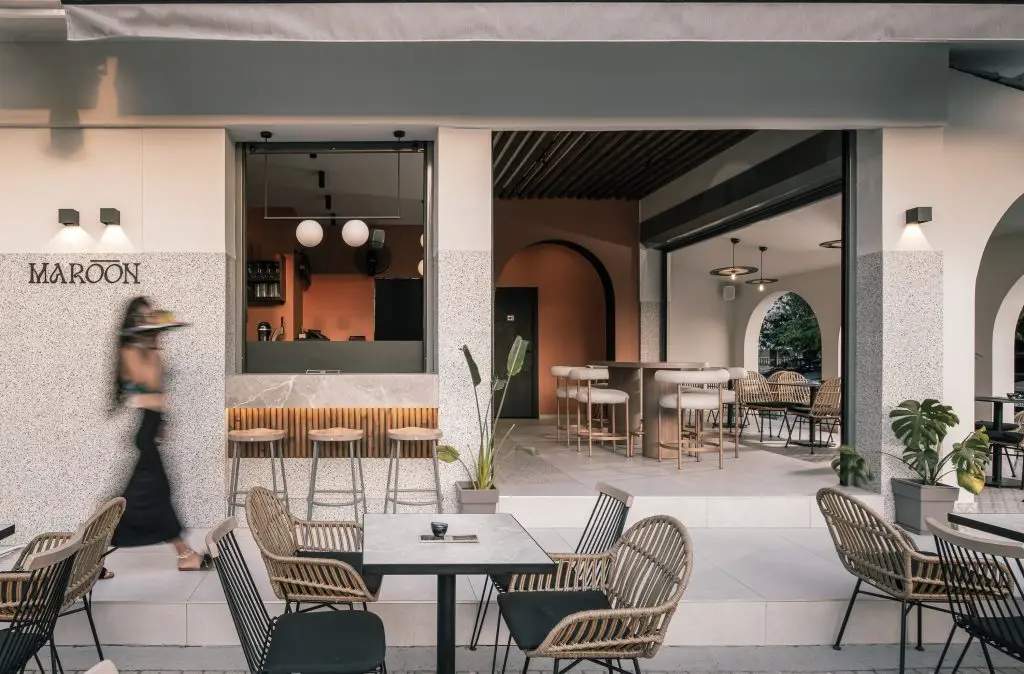
cafe
5.0
Maroon
Sarti
cafecocktailBar
€ Budget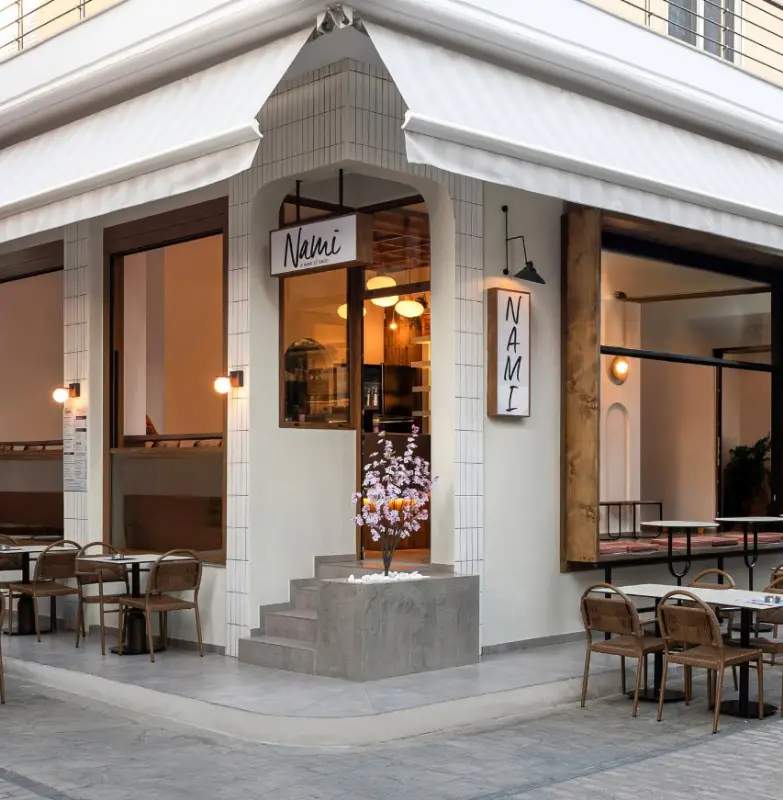
bar
5.0
NAMI the brunch house
sarti
barcocktailBar
€€ Moderate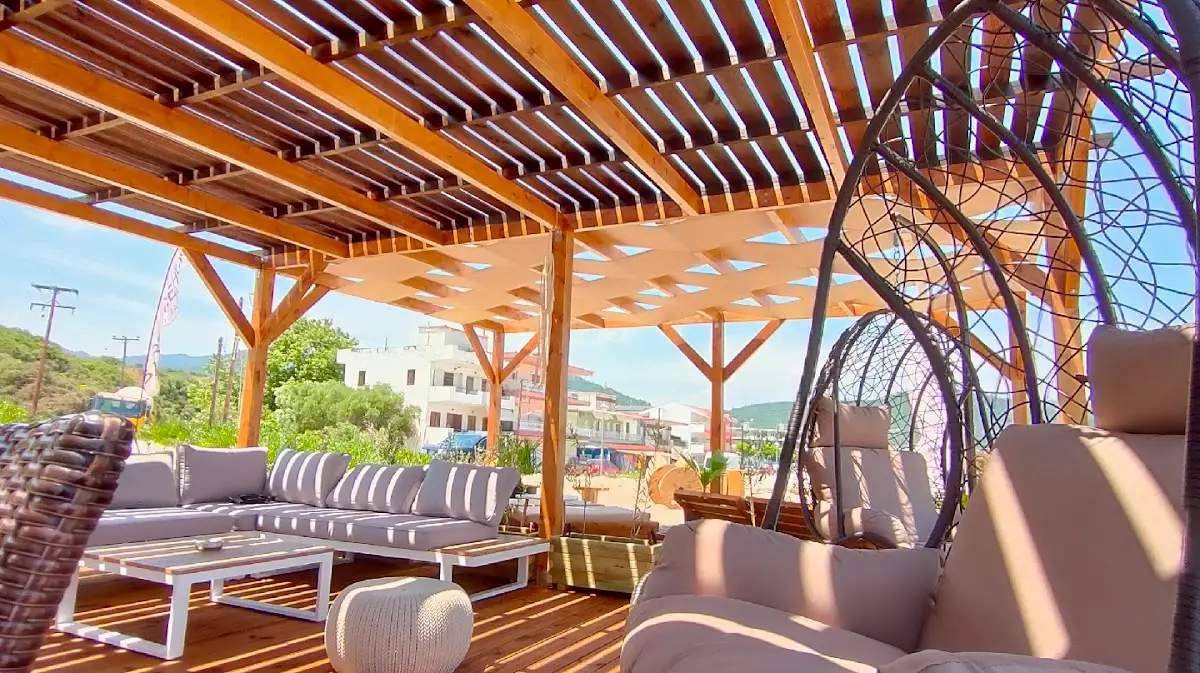
bar
4.9
SARTI PREMIUM SEASIDE BAR
Sarti
bar
€ BudgetΣυχνές Ερωτήσεις
What makes Sithonia unique?▼
Sithonia is known for its exotic beaches, nature and tranquility, ideal for families and couples.
What are the best beaches in Sithonia?▼
Karidi, Orange (Kavourotrypes), Vourvourou and Sarti are top choices.
Is there nightlife in Sithonia?▼
Sithonia is quieter, but Nikiti and Sarti have bars and restaurants.